









Labour has been criticised by the UK's automotive representative over concerns around the future of electric vehicle sales on account of huge discounts from manufacturers and the Government.
Chancellor Rachel Reeves pledged an additional £1.3billion for the Government's Electric Car Grant in the Autumn Budget last year, to bring the total funding to almost £2billion.
The Electric Car Grant helps motorists save either £1,500 or £3,750 off the price of a new EV that costs £37,000 or less, in hopes of accelerating the uptake of zero emission vehicles.
Some of the most popular models on the market are available through the scheme, including the Ford Puma Gen-E, Mini Countryman, Volkswagen ID.3 and the Renault 5.
TRENDING
Stories
Videos
Your Say
More than 50,000 drivers have already made use of the service since it launched last year, with the Government launching a new campaign - "Get that electric feeling" - to further boost sales.
Data from the Society of Motor Manufacturers and Traders (SMMT) found that car brands spent more than £5billion over the last 12 months to subsidise the price of EVs.
This is equivalent to £11,000 for every new electric vehicle registered, which has been criticised by the SMMT for being "clearly unsustainable".
In 2025, 473,348 new electric vehicles were registered, representing an impressive 23.9 per cent increase in year-on-year sales.
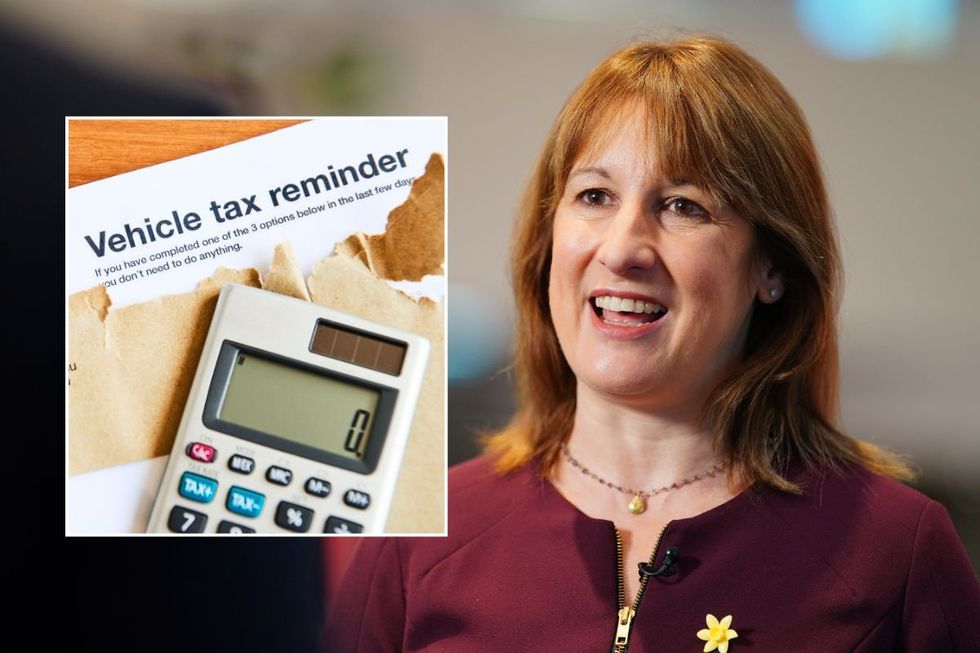
Experts have warned that massive discounts on electric vehicles are 'unsustainable'
| GETTY/PAElectric vehicles captured almost a quarter of the new car market last year, while petrol car sales dropped below 50 per cent and diesel languished with just 5.14 per cent of the total market share.
Mike Hawes, chief executive of the SMMT, noted that the uptake of new electric vehicles was positive, but that steps needed to be taken to ensure manufacturers were not discounting EVs endlessly.
He said: "The Electric Car Grant is helping, but manufacturers are still having to provide billions in EV discounts, with an unparalleled £5billion spent last year alone. This is patently unsustainable.
"Furthermore, the impact of Government and industry investment will be diminished by a new disincentive - the proposed eVED tax.
LATEST DEVELOPMENTS
"With EV demand below the levels targeted by the ZEV mandate last year, and this year's target even steeper, a review of the transition - looking at demand as well as cost and the broader ecosystem - must be brought forward to ensure ambition aligns with natural market demand."
Labour has been headstrong in its commitment to banning the sale of new petrol and diesel cars from 2030, before only zero emission vehicles remain on sale from 2035.
Hybrid sales will continue between 2030 and 2035 to allow motorists to gradually transition to cleaner vehicles, rather than forcing motorists to make a drastic switch.
However, the planned introduction of pay-per-mile car taxes in 2028 will further impact electric car sales, with EV owners required to pay 3p per mile, and hybrids being charged 1.5 pence.
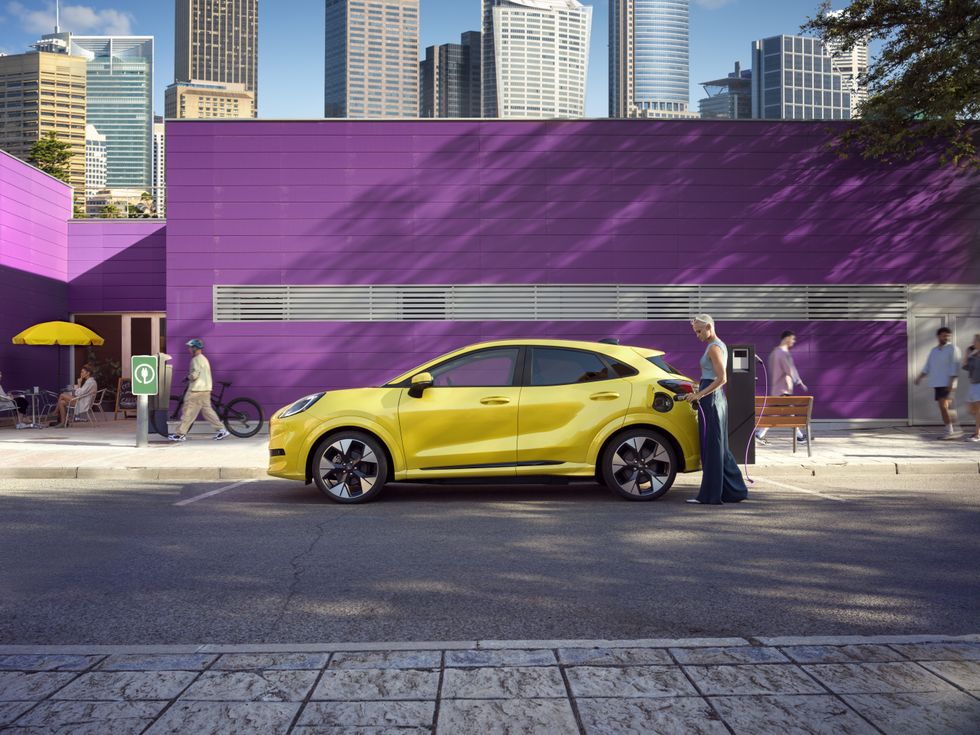 The Ford Puma Gen-E is one of eight models included in the £3,750 Electric Car Grant | FORD
The controversial road pricing structure introduced by Chancellor Rachel Reeves was seen as a barrier to entry for motorists, who could be taxed two or three times, despite owning a cleaner vehicle.
Plug-in hybrid drivers will need to pay the new pay-per-mile charge, in addition to fuel duty, which will also increase in the coming years as the 5p per litre cut is set to expire.
Another potential burden for motorists is the Zero Emission Vehicle (ZEV) mandate, which states that manufacturers must have a certain percentage of sales come from electric cars.
By the end of the year, automakers must hit a 33 per cent target, which will rise to 80 per cent by the end of the decade and 100 per cent in 2035.