










The DVLA has warned drivers of incoming car tax changes launching within days that could see some motorists avoid paying hefty charges for the next five years.
Posting on social media site X, formerly known as Twitter, the Driver and Vehicle Licensing Agency (DVLA) highlighted how new rules were being introduced on April 1, 2026.
From this date, the Expensive Car Supplement threshold for electric vehicles will rise from £40,000 to £50,000.
This means the additional rate, which is often referred to as the "luxury car tax", will not apply to electric cars under £40,000.
TRENDING
Stories
Videos
Your Say
The new rules apply if the vehicle was first registered after April 1, 2025, potentially benefitting thousands of drivers up and down the country.
Chancellor Rachel Reeves confirmed these new measures in the Budget last year, adding that they would help more than one million drivers save £440 a year.
Under previous rules, cars with a list price of £40,000 or more at first registration will pay the additional rate for five years from the start of the second licence.
Drivers of more expensive vehicles would have faced costs of £425, regardless of whether they were petrol, diesel, alternative fuel or zero emission.
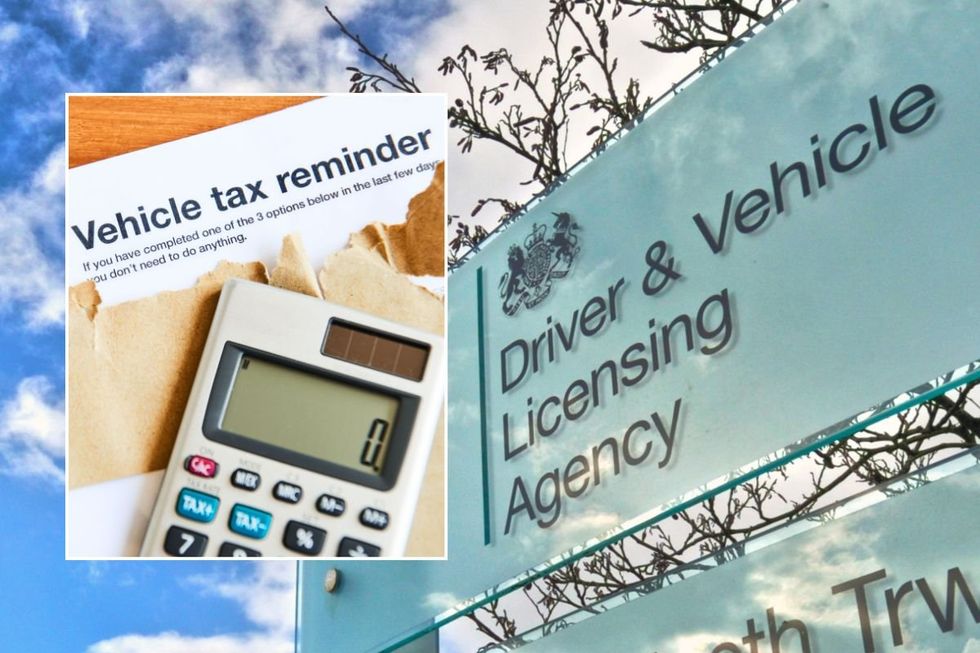
The DVLA has warned drivers of new changes to the Expensive Car Supplement launching next month
|GETTY/DVLA
From April 1, 2026, petrol and diesel vehicles that cost more than £40,000 will pay a standard rate of £200, in addition to the £440 Expensive Car Supplement, bringing the total to £640.
Zero emission cars registered on or after April 1, 2025, and with a list price of more than £50,000 will also pay the £640 charge.
Drivers have the option to pay via Direct Debit in 12 monthly instalments, although this will result in them £672 in total.
HM Revenue and Customs stated that there would be a "negligible financial impact" on operational costs for the DVLA.
LATEST DEVELOPMENTS
 The Government hiked the Expensive Car Supplement rate in line with inflation | X/DVLA
The Government said the measure was being introduced to incentivise the purchase of zero emission vehicles to meet net zero targets for 2050.
The new measures will have a huge impact on some of the most popular electric cars available on the market, which will now escape additional charges.
The Tesla Model Y, which starts from £41,990, will escape the Expensive Car Supplement if it was first registered after April 1, 2025.
Similarly, the premium Mercedes-Benz CLA 250+ will no longer require drivers to pay an extra £440 a year, with a list price of £45,615.

The Tesla Model Y will escape Expensive Car Supplement charges next month
| TESLADrivers looking to get their hands on a zero emission vehicle without paying extra in Vehicle Excise Duty (VED) can also benefit from Labour's Electric Car Grant.
The incentive scheme has been backed by almost £2billion in funding from the Government and helps drivers save up to £3,750 off the price of a new EV that costs £37,000 or less.
Dozens of vehicles are available through the scheme, including the electric Gen-E version of the UK's best-selling vehicle, the Form Puma.
Tens of thousands of drivers across the UK have already made use of the Electric Car Grant to save on their vehicles, with experts suggesting a potential spike in uptake in March thanks to new number plates.