





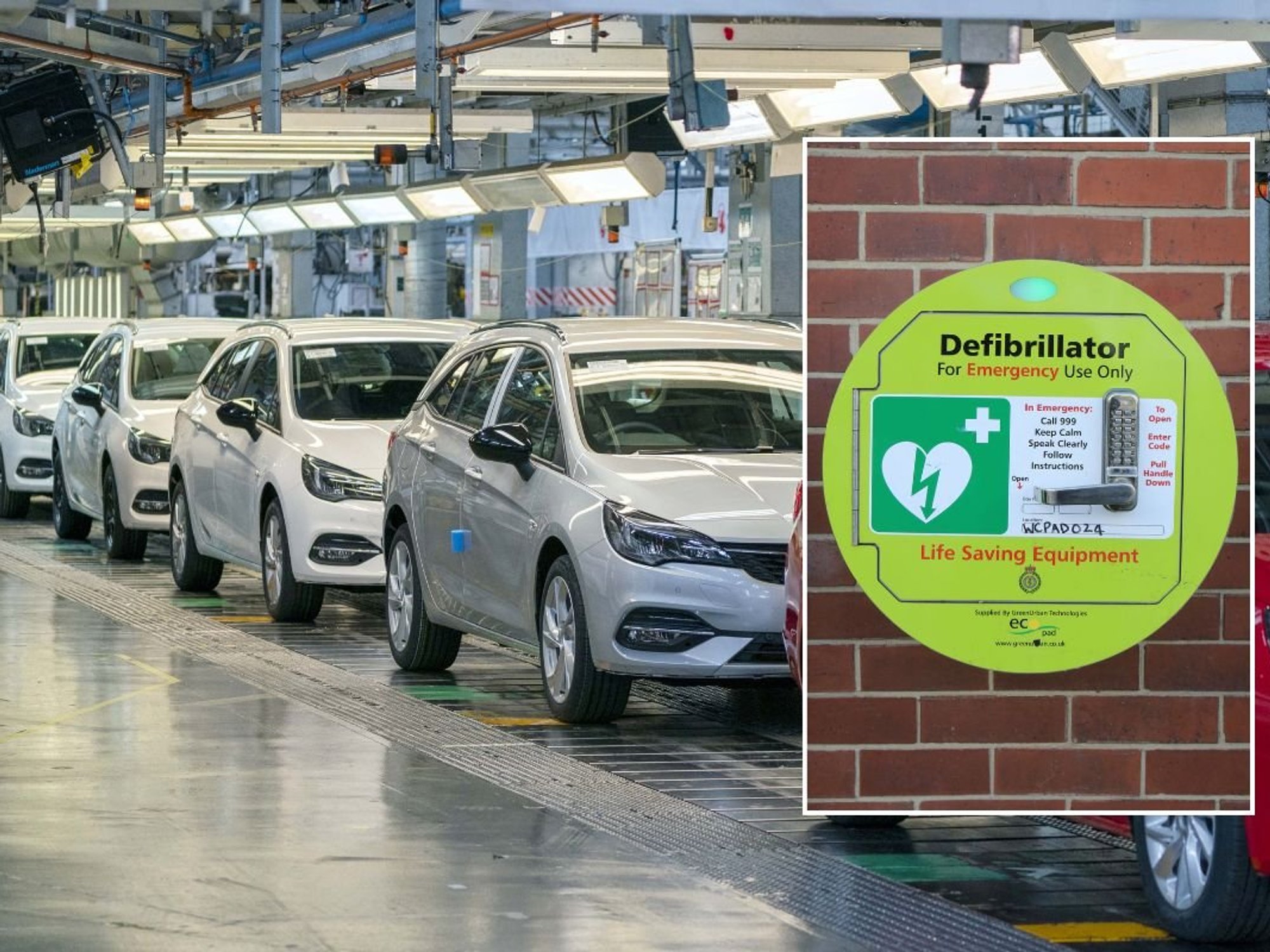
Labour has been urged to abandon plans for a £200 annual tax on electric vehicles amid warnings the move could damage the UK's progress towards net zero.
The National Franchised Dealers Association (NFDA) has written to Treasury Minister Dan Tomlinson, warning that introducing the charge risks slowing the growing demand for electric cars at a crucial moment for the industry.
Drivers still need financial incentives to make the switch from petrol and diesel vehicles, the NFDA said, especially as the Government pushes ahead with ambitious targets for electric vehicle sales.
The trade body argued that keeping ownership costs down is essential if ministers want more motorists to choose electric cars.
It warned that adding an extra yearly charge could undermine confidence among consumers who are already worried about the cost of switching to an EV.
After April 2025, electric cars became liable for the standard Vehicle Excise Duty rate, regardless of when the EV was first registered.
The change ended the long-standing tax exemption that was originally introduced to encourage motorists to move away from fossil fuel vehicles and boost sales of battery-powered cars.
The NFDA said removing the exemption now could come at exactly the wrong time because interest in electric vehicles is already rising sharply.
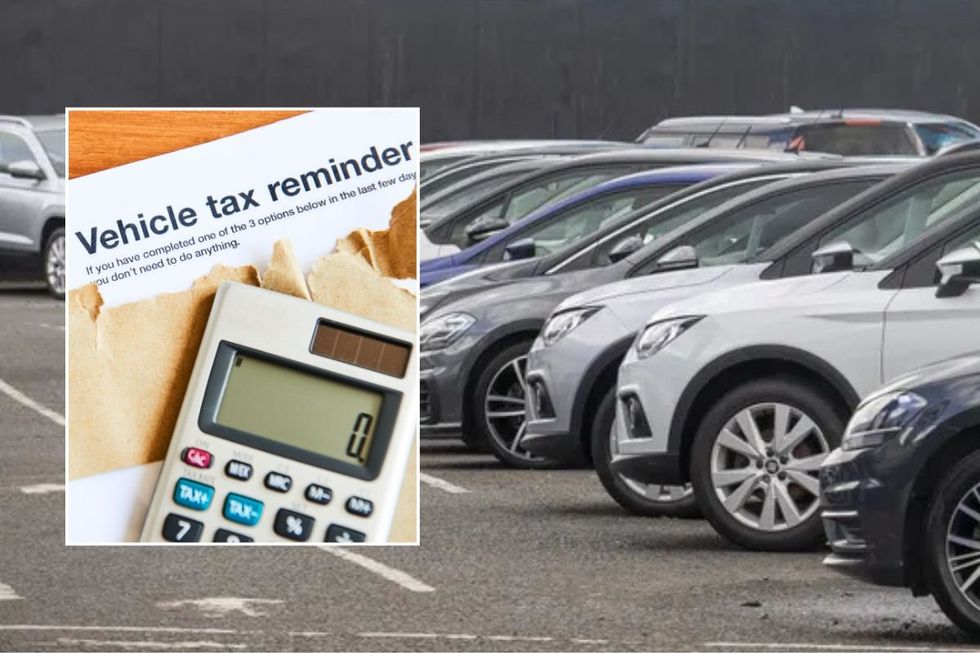
The NFDA warned the UK could fall short of its ZEV mandate unless the Government removes tax requirements for EVs
| GETTYAt the same time, increasing petrol and diesel prices linked to the conflict in Iran have encouraged more drivers to look for cheaper alternatives to traditional fuel-powered cars.
According to figures from Autotrader, demand for new electric vehicles has risen by 28 per cent since the war began, while interest in second-hand EVs has also increased by 15 per cent.
Sue Robinson, chief executive of the NFDA, said the industry was seeing a clear change in consumer behaviour.
She said: "We are seeing a clear shift in consumer interest towards electric vehicles, driven in part by higher fuel prices. This is exactly the moment when Government support can make a real difference, not add extra cost."
LATEST DEVELOPMENTS
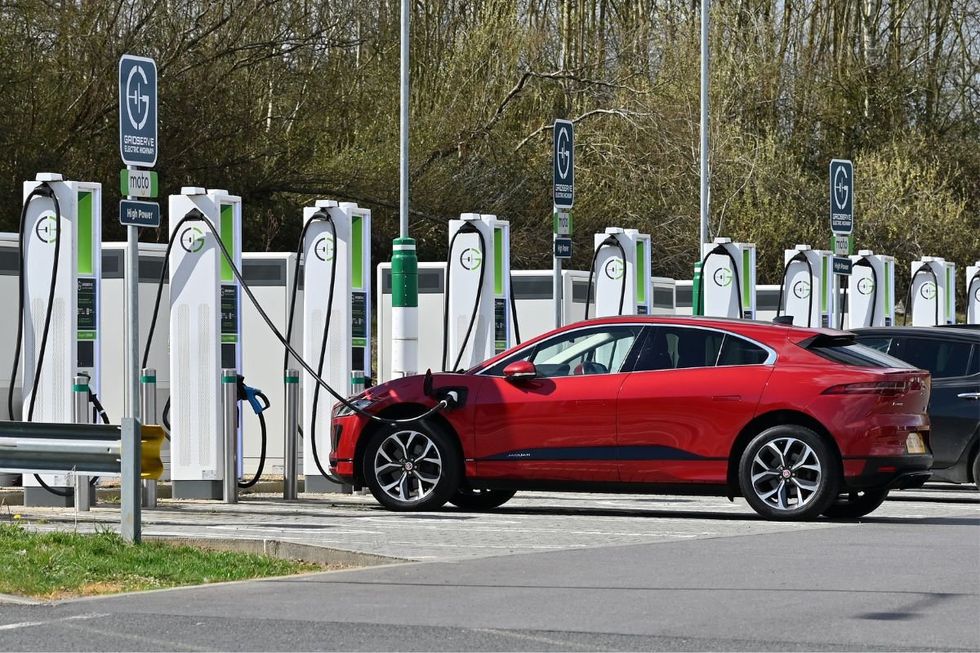
The NDFA has called on the Government to keep the EV incentives in place
| GETTYElectric vehicles now account for 23.1 per cent of new car registrations in the UK. However, that remains below the 33 per cent level required under the Government's Zero Emission Vehicle mandate.
It requires manufacturers to sell a rising percentage of electric vehicles each year or face penalties if they fail to meet the targets, with the target hoping to reach 100 per cent by 2035.
Industry leaders have repeatedly warned that demand from consumers needs to grow more quickly if car makers are to avoid fines and meet Government expectations.
Ms Robinson said the proposed £200 yearly tax risked slowing the momentum that the electric vehicle market is finally beginning to build.
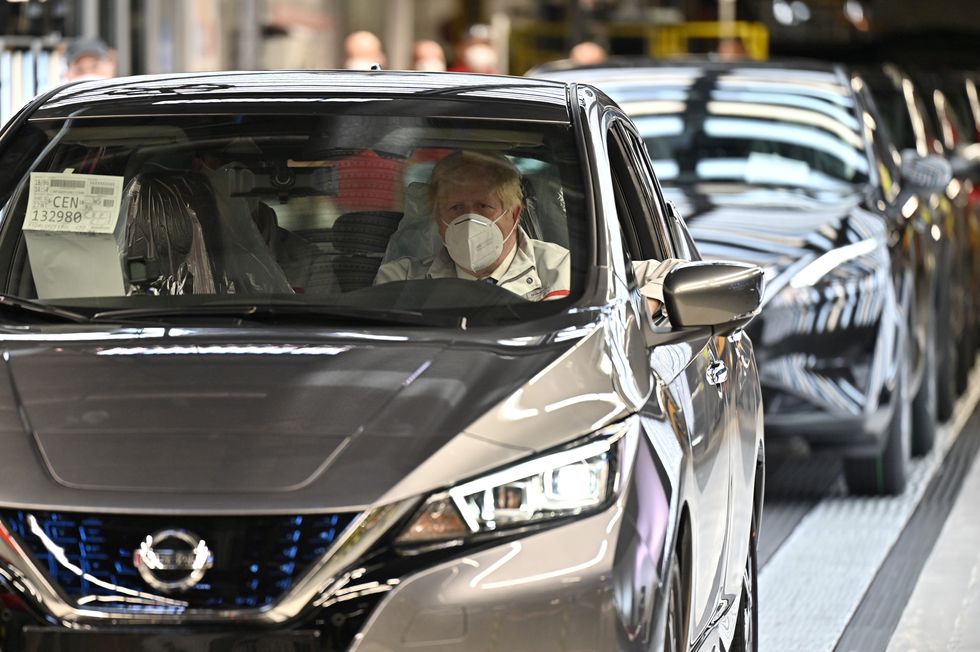
The ZEV mandate hopes to have 100 per cent electric car sales by 2035
| PAShe added: "Removing the £200 annual charge would be a simple step that helps keep momentum going and gives consumers more confidence to make the switch."
The NFDA argued that while current levels of EV sales represent progress, they are still not high enough to guarantee the UK will meet its long-term net zero targets.
The organisation said more support is needed to help drivers overcome concerns about affordability and encourage people to leave petrol and diesel vehicles behind.
It also claimed that keeping tax incentives in place would send a clear signal that the Government remains committed to supporting cleaner transport and reducing emissions.