










Motorists are being warned of new changes to medical driving licence requirements that could see them required to contact the DVLA to stay on the road.
Road users need to inform the DVLA of any medical condition that could impact their ability behind the wheel, or they could risk a huge £1,000 fine.
If a medical condition contributes to an accident, and the DVLA has not been informed, drivers could face even greater punishments, including prosecution.
All forms for reporting a medical condition to the DVLA apply to car drivers or motorcyclists, while lorry, bus or coach drivers require the "V" forms.
TRENDING
Stories
Videos
Your Say
The Driver and Vehicle Licensing Agency consistently updates medical reporting forms to ensure all road users are safe on the road.
In certain cases, motorists can be told that they need to surrender their driving licences if their medical conditions impede their ability behind the wheel.
This includes if their doctor has told them to stop driving for three months or more, their medical condition affects their ability to drive safely and lasts for three months or more, or they do not meet the required standards for driving because of their medical condition.
To help drivers adapt to the new changes, GB News has collated recent changes to the reporting of medical conditions to the DVLA.
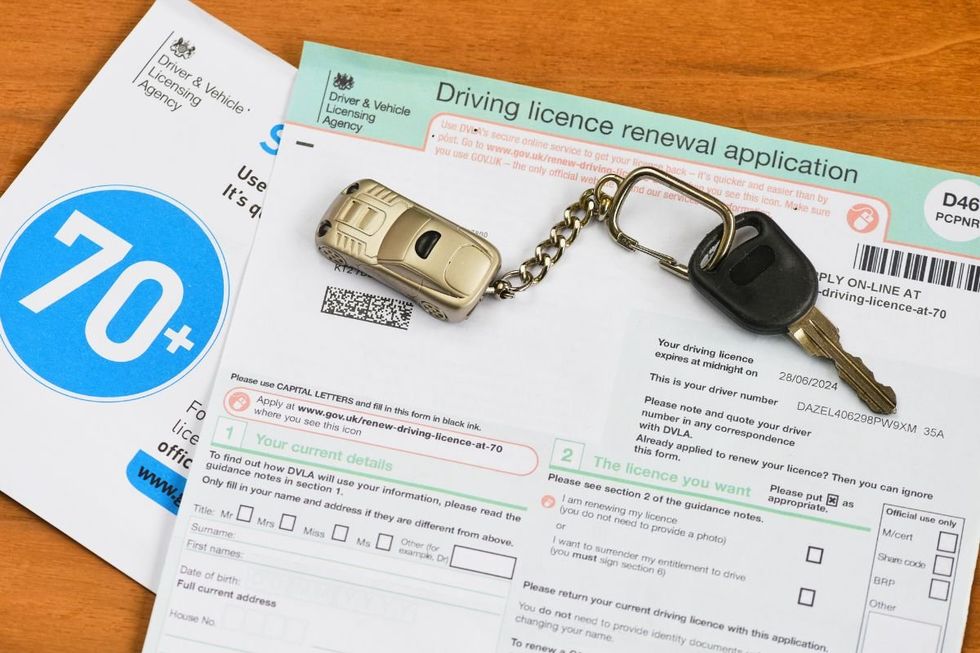
Drivers need to inform the DVLA of any medical conditions that could impact their ability behind the wheel
|GETTY
G1 and G1V - AIDS has been removed from the list of notifiable conditions.
It will still apply to:
- ankylosing spondylitis
- arthritis
- brachial plexus
- cancer
- learning difficulties
- limb disability
- paraplegia
- spinal problems
- any persisting issues which can affect movement
BT1 and BT1V - Updated forms.
Applies to:
- brain tumour
- medulloblastoma
- meningioma
- pituitary tumour
SL1 and SL1V - Updated form.
Applies to:
- narcolepsy
- cataplexy
- sleepiness
- obstructive sleep apnoea
- obstructive sleep apnoea syndrome
V1 and V1V - Updated form.
Applies to:
- blepharospasm
- diplopia (double vision)
- glaucoma
- nyctalopia (night blindness)
- retinitis pigmentosa
- visual field defects
- other related conditions
DIZ1 - Updated form.
Applies to:
- dizziness
- labyrinthitis
- vertigo
- other related conditions
LATEST DEVELOPMENTS

The DVLA frequently updates its medical condition reporting forms
| DVLACG1 - Updated form.
Applies to:
- Alzheimer's disease
- dementia
- cognitive problems
- other related conditions
PAH1 and PAH1V - Updated forms.
Applies to:
- Pulmonary arterial hypertension
VDIAB1I - Updated form.
Applies to:
- diabetes treated with insulin
VDIAB1GEN - Updated form.
Applies to:
- diabetes treated with tablets other than Sulphonylureas or Glinide, or with non-insulin injections
VDIAB1SG - Updated form.
Applies to:
- diabetes treated with Sulphonylureas or Glinide tablets (or both)
FEP1 and FEP1V - Updated form.
Applies to:
- convulsions, seizures and fits
- myoclonus
- petit mal and grand mal
- déjà vu
- blackouts and fainting (syncope)
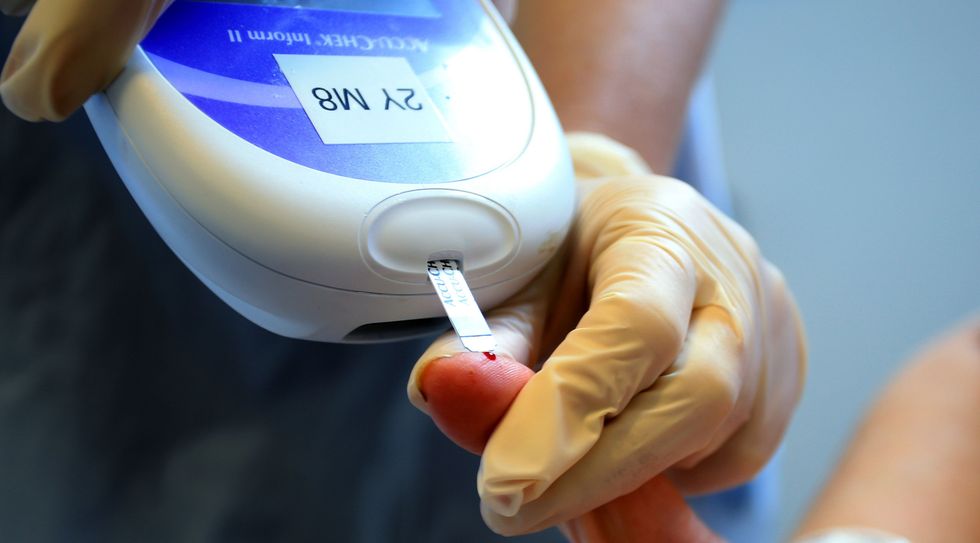
Drivers may need to inform the DVLA if they have diabetes
| PAH1 - Added aortic stenosis to the list of medical conditions.
Applies to:
- aneurysm
- aortic stenosis
- Brugada syndrome
- arrhythmia
- congenital heart disease
- heart palpitations
- Long QT syndrome
- Marfan syndrome
- pacemakers
- tachycardia
- Wolff-Parkinson-White syndrome
- other related conditions
VOCH1 - Added aortic stenosis to the list of medical conditions.
Applies to:
- angina
- heart attack (myocardial Infarction)
- acute coronary syndrome
- angioplasty/stent
- heart bypass surgery (CABG)
- abnormal heart rhythm (arrhythmia)
- aortic stenosis
- Brugada syndrome
- pacemaker
- defibrillator
- peripheral arterial vascular disease
- aortic aneurysm
- heart failure
- heart attacks
- heart murmurs
- heart transplant TIA/stroke
- balloon angioplasty (leg)
- cardiac problems
- carotid artery stenosis
- catheter ablation
- chronic aortic dissection
- congenital heart disease
- coronary artery bypass
- dilated cardiomyopathy
- heart palpitations
- hypertrophic cardiomyopathy
- ischaemic heart disease
- left bundle branch block
- Long QT syndrome
- Marfan’s syndrome
- tachycardia
- Wolff-Parkinson-White syndrome
- other related conditions