










Experts are calling on the Government to weaken the ban on new petrol and diesel car sales to boost investment in the battery industry, according to a new report.
A new report, the Policy Commission on Gigafactories, has called for changes to be made to attract investment into the production of electric vehicle batteries and the associated supply chain.
It suggested that the Zero Emission Vehicle (ZEV) mandate should be softened to allow for greater funding to go to gigafactories and EV batteries.
The ZEV mandate states that manufacturers must have a minimum percentage of sales come from electric cars, with a 33 per cent target by the end of the year.
TRENDING
Stories
Videos
Your Say
The targets will continue to rise over the coming years, reaching 80 per cent in 2030, before hitting 100 per cent five years later.
This is being done to prepare the UK for the impending ban on the sale of new petrol and diesel cars, which is scheduled to take place at the end of the decade.
The Policy Commission on Gigafactories suggests that this should be relaxed to 50 or 60 per cent by 2030, while penalties for manufacturers who fail to meet targets should also be weakened.
According to the Financial Times, this is designed to protect manufacturing in the UK and reduce the prospect of automakers moving production abroad to save money.
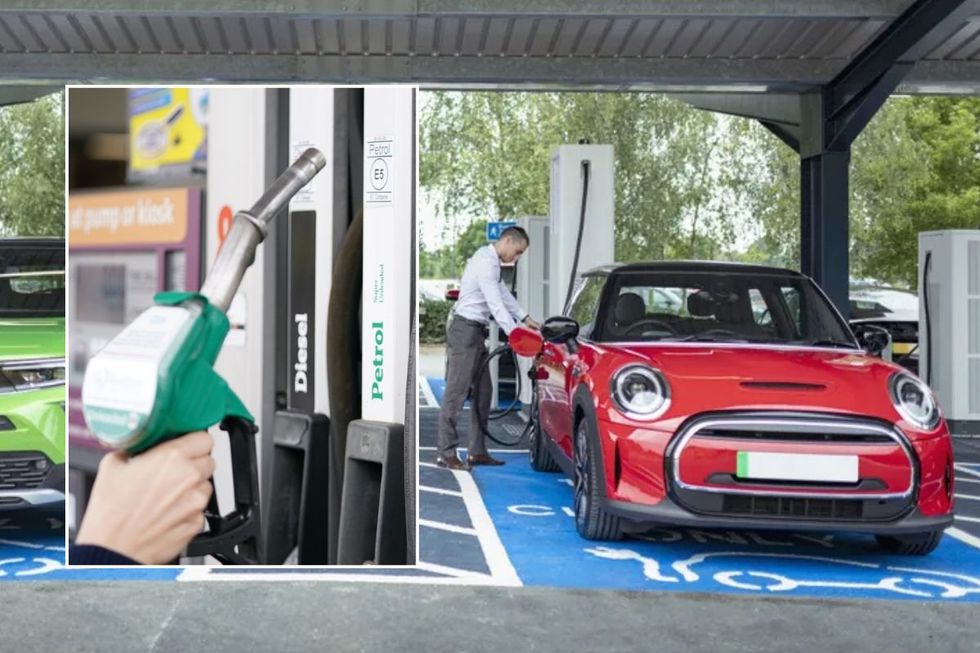
A new report has called for electric vehicle targets to be weakened to support the industry
|PA/GETTY
Lord John Hutton, who launched the commission last year, said: "There is growing consensus in industry that there's a need for a course redirection here. It's not scrap everything, but recalibrate."
The former Labour Defence Secretary told the FT that any policy changes needed to be based on evidence, rather than "ideology".
Labour has already taken steps to limit the rate of fines for manufacturers who do not meet targets, dropping the limit from £15,000 to £12,000 for every car that falls short of the target.
Commenting on the creation of the Policy Commission on Gigafactories, Lord Hutton of Furness said batteries were a "national strategic imperative".
LATEST DEVELOPMENTS
"The UK cannot afford to remain dependent on foreign supply chains for such a vital component of our economic and energy future," he added.
Labour has faced growing backlash to the ZEV mandate from campaigners and manufacturers over the targets, especially given the European Union's recent policy changes.
The European Union has announced that from 2035 onwards, manufacturers will need to comply with a 90 per cent tailpipe emissions reduction target, rather than the 100 per cent goal in place before December last year.
The remaining 10 per cent of emissions will now need to be compensated by automakers through the use of low-carbon steel from the EU, or through e-fuels and biofuels.
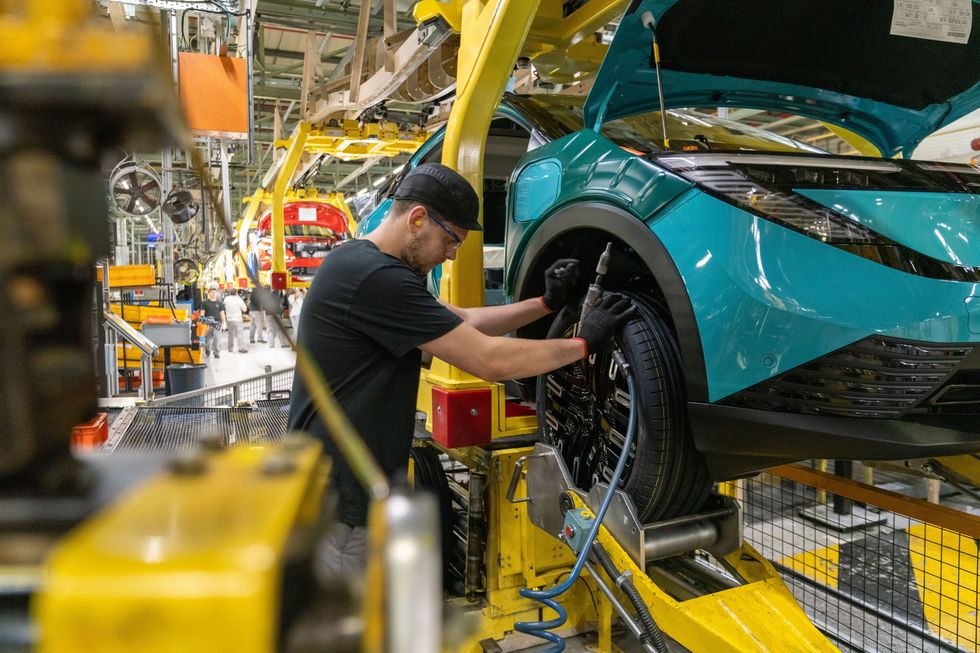
The ZEV mandate states that manufacturers must have 33 per cent of new car sales come from electric vehicles by the end of 2026
| NISSANManufacturers have also been supported by the EU through "super credits", which will be awarded if they create "small affordable electric cars made in the European Union".
However, the recommendations from the Policy Commission on Gigafactories have been criticised by Asif Ghafoor, CEO at Be.EV, who said it was "another classic example of the 'stop-start' mentality" holding the UK back.
He continued, saying: "Suggesting we relax our 2030 targets again is the polar opposite of the bold industrial strategy this country needs; you can't build a world-class battery supply chain by hitting the brakes every time the journey gets a little bit difficult.
"While lobbyists and commissions spend months investigating what's holding us back, the private sector is already out there doing the work."