









The UK will see its electric vehicle charging network grow massively over the coming months, with hopes of matching Norway's infrastructure next year.
New data has shown that the UK's electric vehicle charging-to-petrol station ratio will rise from the current 10.5-to-one to 15-to-one in the next 12 months.
This will help the UK reach parity with Norway, which is widely considered to be the most EV-forward nation in the world.
The latest research from Zapmap shows that there are 87,796 electric vehicle charging devices across more than 45,000 locations.
TRENDING
Stories
Videos
Your Say
Since December 2024, the public charging network across the UK has seen growth of 19 per cent year-on-year, while rapid and ultra-rapid chargers become more common.
There are almost 18,000 rapid and ultra-rapid chargers across the UK, with many of these being in "superhubs" near major traffic routes.
As the UK moves towards 2030, when the sale of new petrol and diesel cars will be banned, the number of petrol stations continues to fall at a rate of 3.6 per cent annually.
Experts suggest that the UK will soon see the same proportion of rapid and ultra-rapid chargers as Norway.
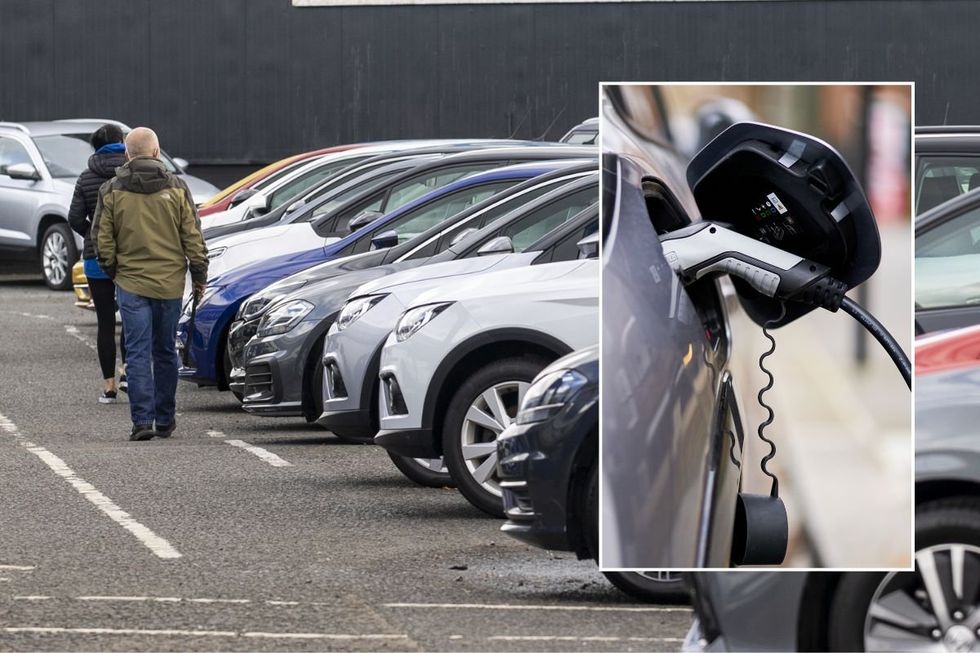
The UK is set to see the number of electric car chargers match a similar rate to Norway's in the coming months
|PA
Over the last 12 months, a staggering 96 per cent of newly registered cars were fully battery electric in Norway.
Estimates show that the Scandinavian nation has 27,000 fast EV chargers in public, compared to around 1,800 petrol stations.
The Electric Car Scheme suggests that the UK is gaining pace to "replicate this infrastructure advantage in half the time it took Norway to build it".
Other European nations, including Germany, France and the Netherlands, are also dramatically increasing their offering of public EV chargers to support drivers in the switch to cleaner vehicles.
LATEST DEVELOPMENTS
Thom Groot, CEO of The Electric Car Scheme, said: "The UK needs to keep at its pace to prevent the transition from stalling."
He highlighted the Government's plans to install 300,000 chargers by the end of the decade, describing it as "essential".
The expert noted that more progress needed to be made in terms of the installation of chargers at workplaces to ensure motorists have the widest range of options to charge their vehicles.
Mr Groot continued, saying: "Over the past five years, we have seen outstanding support from employers to accelerate EV usage through salary sacrifice schemes, and now charging and charging points are the next milestones of success.
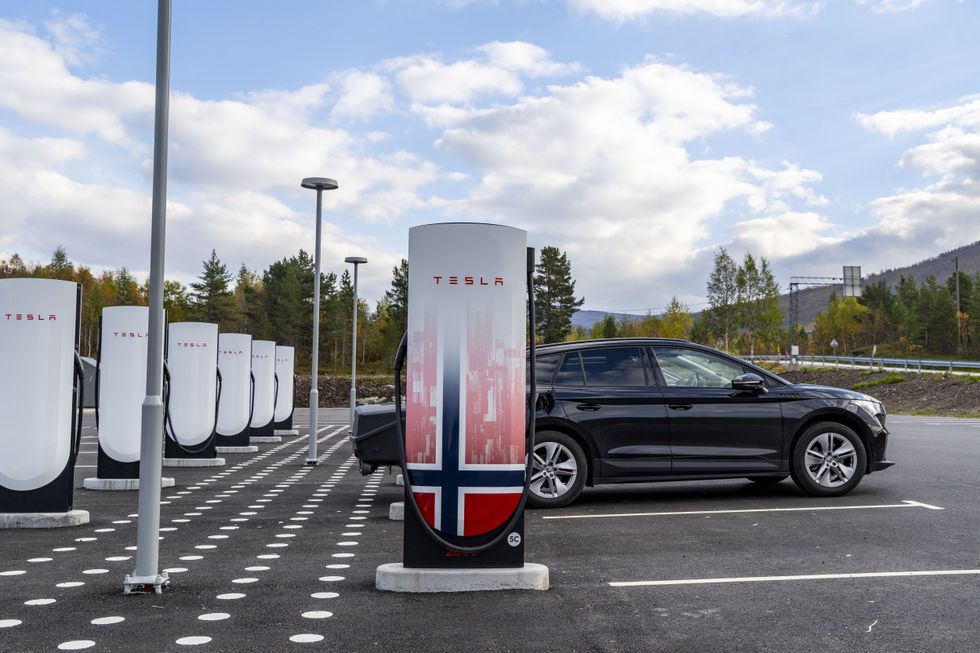
Norway has one of the highest adoption rates of EVs in the world
|GETTY
"We are getting to the point where infrastructure will lead to further EV adoption, not follow it."
The UK Government continues to provide the Workplace Charging Scheme to help businesses support the widespread adoption of electric vehicles, although it will expire on March 31, 2026.
The scheme covers up to 75 per cent of the total costs of the purchase and installation of EV chargers. This is capped at £30 per socket, with a maximum of 40 sockets per site.
Businesses, charities, public sector organisations and small accommodation businesses are able to apply for the incentive scheme.