









Scientists have warned that high-fat diets can fundamentally reprogram liver cells in ways that make cancer far more likely to develop.
The new research from MIT, published in Cell, showed that when our livers face repeated exposure to fatty foods, mature liver cells called hepatocytes undergo a dramatic transformation to a more primitive, stem-cell-like state.
"If cells are forced to deal with a stressor, such as a high-fat diet, over and over again, they will do things that will help them survive, but at the risk of increased susceptibility to tumorigenesis," explained Alex K. Shalek, director of MIT's Institute for Medical Engineering and Sciences.
When faced with all that dietary stress, liver cells essentially prioritise their own survival over doing their actual job.
TRENDING
Stories
Videos
Your Say
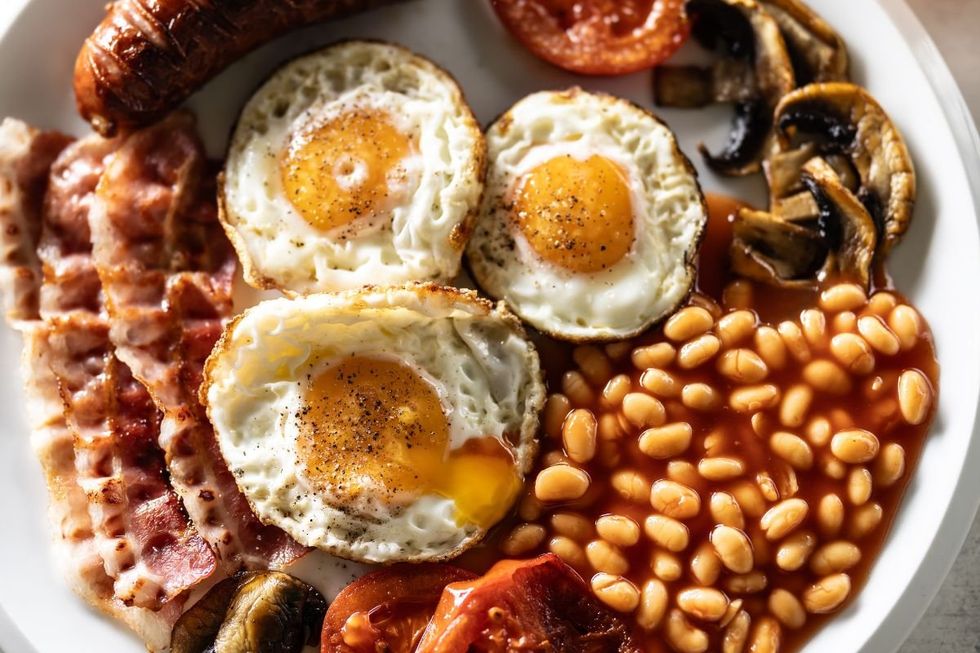
High-fat diets can fundamentally reprogram liver cells
|GETTY
The research team tracked gene activity in mice fed high-fat diets and watched as hepatocytes switched on genes that prevent cell death and encourage growth.
Meanwhile, genes responsible for normal liver functions like metabolism and protein secretion gradually went quiet.
"This really looks like a trade-off, prioritising what's good for the individual cell to stay alive in a stressful environment, at the expense of what the collective tissue should be doing," said Constantine Tzouanas, an MIT graduate student and co-first author.
But these cells have already activated the very genes they'd need to become cancerous and by the study's end, nearly all mice on high-fat diets had developed liver cancer.
Fortunately, researchers were able to pinpoint several molecular targets that could lead to new treatments.
They found a transcription factor called SOX4, which is normally only active during fetal development and stays switched off in adult livers, so its sudden appearance in stressed liver cells caught the team's attention.
What's more, there has already some progress on related treatments. A drug targeting the thyroid hormone receptor, one of the genes coordinating this cellular shift, has recently been approved for treating MASH fibrosis, a severe form of fatty liver disease.
Another enzyme identified in the study, HMGCS2, is currently being tested in clinical trials for steatotic liver disease.
LATEST DEVELOPMENTS
The findings weren't just limited to mice, either. When the team examined liver tissue from human patients at various stages of disease, they found strikingly similar patterns.
Gene expression changes could even predict how long patients would survive after tumours developed.
Those with higher levels of the survival genes switched on by fatty diets fared worse.
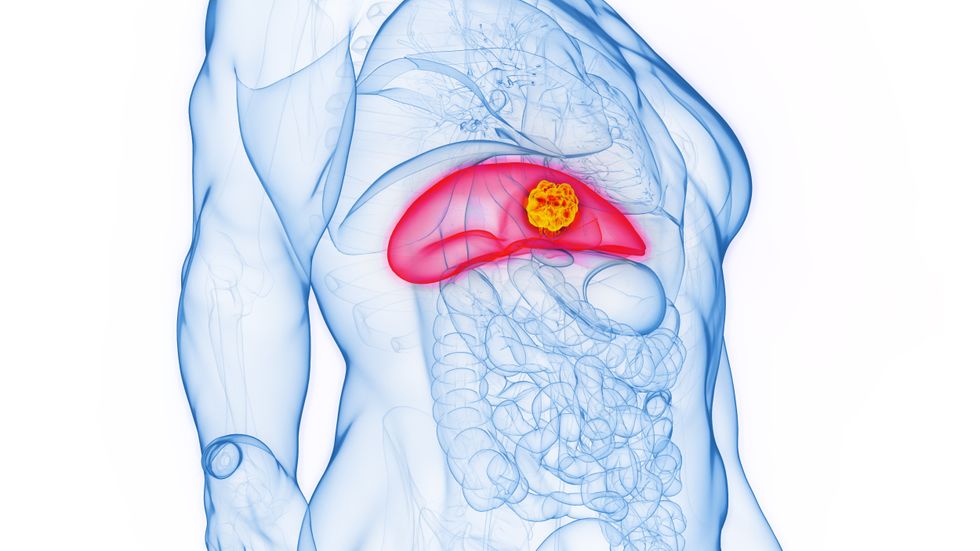
Scientists spotted several targets that could lead to new treatments
|GETTY
"And if a patient has lower expression of genes that support the functions that the liver normally performs, they also survive for less time," Tzouanas notes.
While mice developed cancer within roughly a year, the researchers reckon the same process in humans likely takes around 20 years.
Looking ahead, the team wants to explore whether dietary changes or weight-loss medications like GLP-1 agonists might reverse this cellular damage before it becomes dangerous.
Our Standards: The GB News Editorial Charter