










Making just a couple of positive changes to your daily routine could slash your chances of suffering a heart attack by up to half, according to a healthcare professional.
Registered nurse Kelsey Pabst told GB News that the most important factors for heart health include steering clear of cigarettes, staying physically active, keeping blood pressure in check, managing cholesterol levels, getting quality sleep, and eating well.
"By just improving two of them can lower the heart attack risk by 30 to 50 per cent," Kelsey explained, stressing that small, consistent habits often work better than dramatic short-term overhauls.
The medical worker highlighted several surprising factors that can quietly damage your heart over time.
TRENDING
Stories
Videos
Your Say
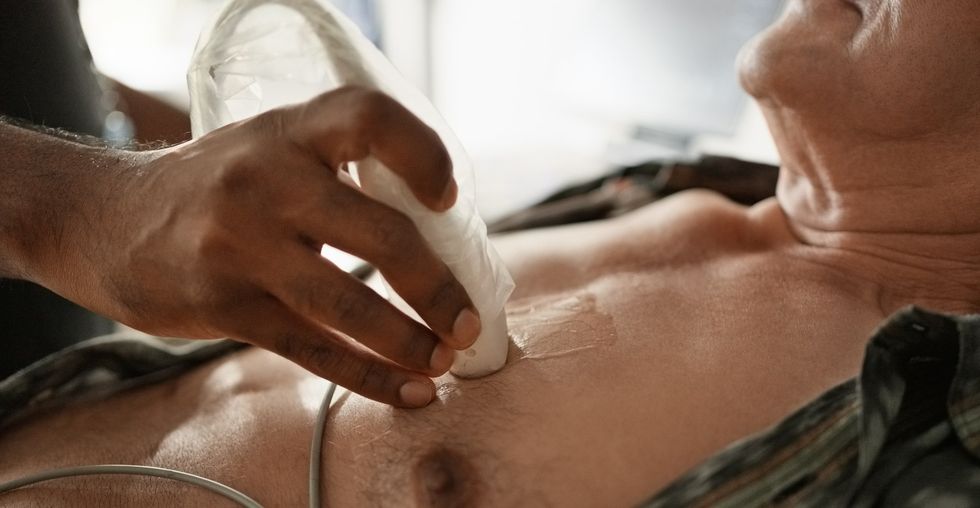
Healthy sleep patterns and diet are critical for the heart
|GETTY
Spending long periods sitting down, getting fewer than six hours of sleep, regularly eating ultra-processed foods, and living with ongoing stress all pose unexpected risks to cardiovascular health.
Skipping meals during the day only to overeat in the evening puts strain on both blood sugar and blood pressure.
The adverse effects of alcohol cannot be overstated either, as a single weekend of heavy drinking can undo all the benefits gained from moderate consumption throughout the week. Over time, this harms the arteries even if you're otherwise considered healthy.
But for those wishing to get on a healthier path, Kelsey recommends 10-minute movement breaks throughout the day, gradually building up to around 7,000 to 8,000 steps daily.
She also advises cutting out caffeine after early afternoon to improve sleep quality.
LATEST DEVELOPMENTS
"Swap one processed meal a day for real food and increase your protein and fibre intake," Kelsey suggested.
To effectively manage stress, the nurse proposes five minutes of deep breathing or quiet time each day.
"Regular small habits reduce inflammation and stabilise blood vessels," she noted. In other words, those who walk daily and sleep better fare much better than people attempting radical short-term changes.
These heart health tips come alongside a vital warning from gastroenterologist Dr Robert A Ganz, who took to TikTok to alert people that common digestive issues might actually indicate something far more serious.
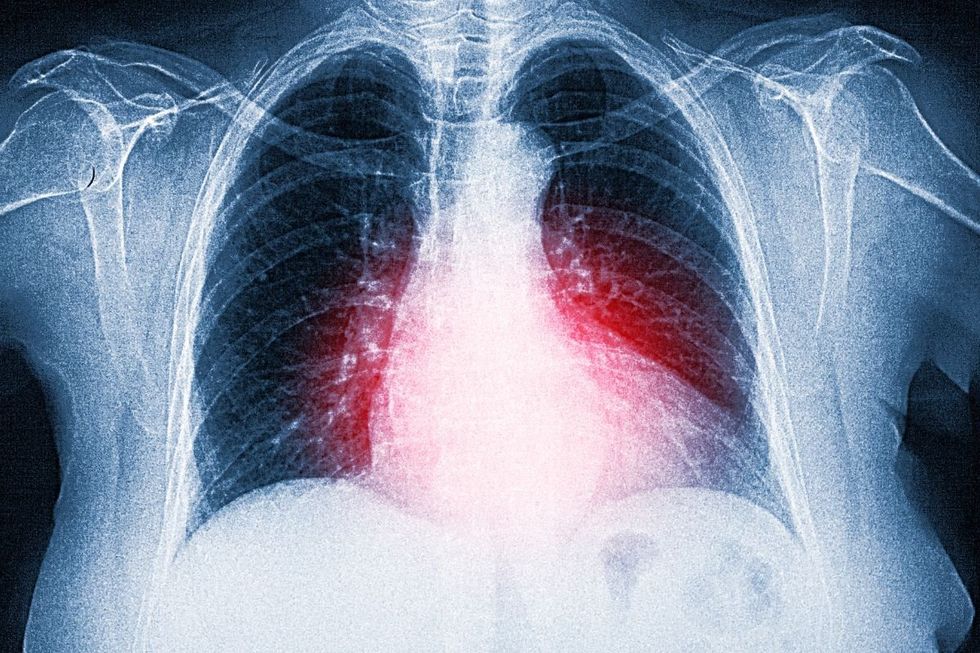
Symptoms like bloating and nausea can be signs of heart disease
|GETTY
Dr Ganz wants people to understand that symptoms like bloating, nausea, and a burning feeling in the upper stomach can actually be signs of heart disease.
The confusion happens because the lower part of the heart and the upper digestive organs share identical nerve pathways, making signals from both areas feel remarkably similar.
"Rosen had indigestion, [...] he would come in on rounds, he'd be popping Tums and drinking Mylanta," Dr Ganz recalled of his former supervisor, renowned cardiologist Ken Rosen, who tragically died from a heart attack while skiing. His supposed reflux had actually been inferior wall angina.
Our Standards: The GB News Editorial Charter