










Despite type 2 diabetes becoming increasingly widespread, the symptoms remain remarkably easy to dismiss, with many people putting them down to stress or feeling run-down.
Dr Franklin Joseph, a Consultant Physician specialising in Endocrinology, Diabetes, and Obesity Management, recognises this as one of the biggest challenges in medical circles.
"One of the big problems with type 2 diabetes is that the early symptoms are so easy to explain away," he told GB News.
What's more, the warning signs tend to develop slowly over time, meaning people gradually adapt to feeling under the weather without ever questioning whether something more serious might be going on.
TRENDING
Stories
Videos
Your Say

Needing the loo at night could signal high blood sugar levels
|GETTY
Tiredness
When it comes to diabetes symptoms, Dr Joseph points to persistent exhaustion as a key sign, noting that when blood sugar runs high, the body struggles to convert glucose into energy properly, leaving you feeling completely drained.
Then there's that fuzzy-headed feeling and being a bit snappy, which most blame on stress, but can actually stem from fluctuating blood sugar levels.
Frequent peeing
Needing the loo more often, particularly at night, is another telltale sign that's frequently written off as drinking too much tea or simply getting older.
"In reality, the kidneys are working overtime to get rid of excess sugar," Dr Joseph explained.
Hunger
Feeling hungrier than usual is also worth noting, as people often assume they're just lacking willpower when the real culprit is sugar failing to reach their cells efficiently.
"Many of these are initially mild, so people don’t connect the dots until blood sugar is already at a level we’d consider dangerous," the expert warned.
Weight loss
While losing weight without trying may sound like a welcome surprise, it's actually a warning sign that could signal the body is burning fat and muscle for fuel when cells can't properly use sugar.
Feeling thirsty
An extremely parched mouth and constant thirst, even when carrying a water bottle everywhere, suggest high sugar is drawing fluid from body tissues.
LATEST DEVELOPMENTS
Slow healing
Minor cuts, insect bites, or shaving nicks that seem to take forever to heal can indicate problems with blood sugar and circulation.
Burning sensations
Pins and needles in the toes or burning sensations in the feet at night may signal early nerve damage, as nerves are particularly sensitive to elevated sugar levels.
Thrush
Recurring thrush infections are another clue, since excess sugar in bodily fluids creates ideal conditions for yeast to thrive.
"With high blood sugar, the kidneys try to flush the excess out, dragging water with it," Dr Joseph explained. "You wee more, become dehydrated, and feel constantly thirsty."
Vision changes
Vision changes happen because sugar affects fluid levels in the eye's lens, altering its shape slightly; something many people put down to needing new specs or too much screen time.
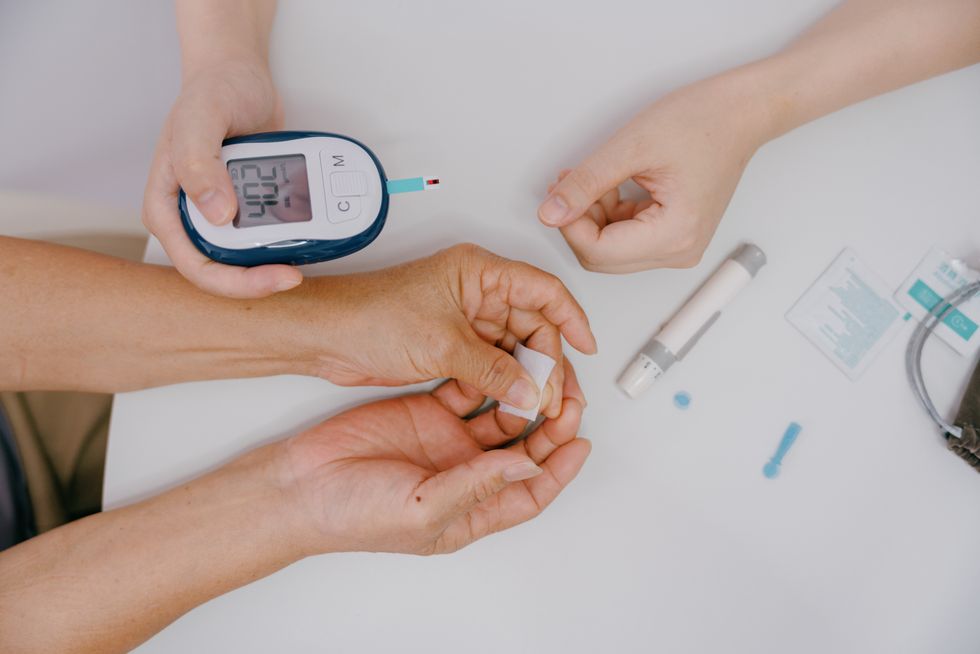 Stable blood glucose can help regulate hunger | GETTY
Meanwhile, elevated sugar weakens immune defences and essentially feeds germs, leading to more skin infections, gum problems, and lingering colds.
Dr Joseph's advice to anyone experiencing several of these symptoms together is to book a straightforward blood test with their GP.
"Type 2 diabetes is much easier to manage, and complications are far more preventable when we catch it early," he explained.
Our Standards: The GB News Editorial Charter