









A cancer specialist with two decades of experience has shared the subtle body changes that could be early warning signs of the disease.
Doctor Yousuf Zafar took to his channel to highlight five quiet shifts in how our bodies function that he's observed throughout his career as an oncologist.
While most unusual changes to our normal bodily functions aren't cause for alarm, it's the persistent ones that could spell trouble.
"These signs don't always mean cancer, but ignoring these persistent changes can delay the care that makes a difference," Doctor Zafar explained.
TRENDING
Stories
Videos
Your Say
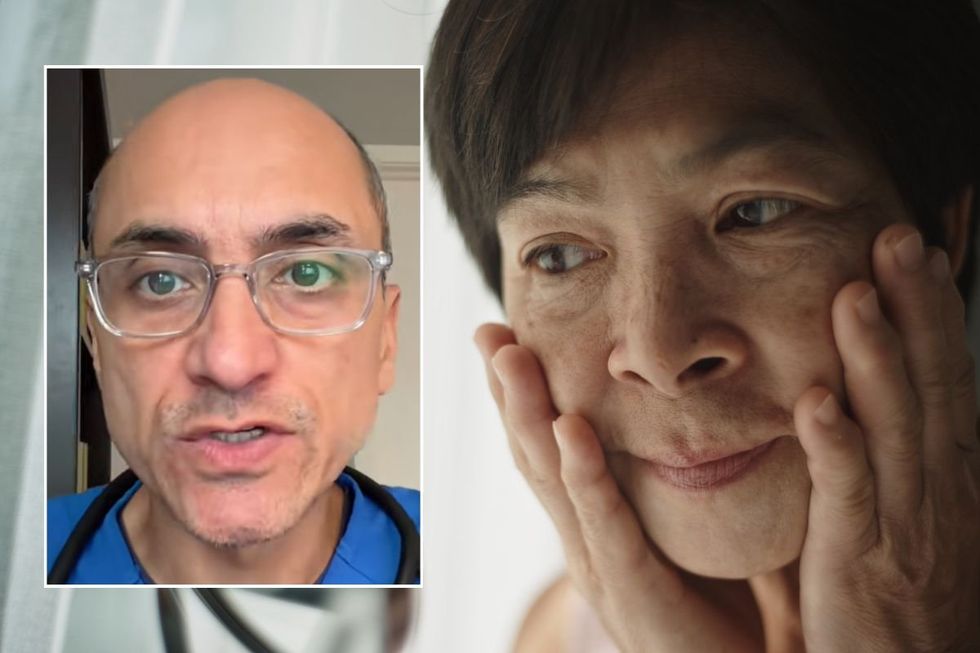
The expert recommends checking for changes in the appearance of your skin
|GETTY
He specifically advised never brushing off changes that stick around, as catching things early can be crucial to surviving cancer.
At the top of his list is unexplained bleeding - whether that's blood appearing in your stool, urine, or being coughed up.
"Even small amounts that keep returning," Doctor Zafar noted. "Persistent signals that you need to watch for."
Coming in at number two on his list is how your body heals itself.
Sores, wounds and infections that simply refuse to get better the way they normally would can be a red flag worth paying attention to.
Both of these symptoms can have other causes beyond cancer, but it's always worth getting checked out by a doctor if they persist.
The third warning sign focuses on how your body feels day to day.
Ongoing tiredness, new pain without any obvious explanation, or a cough and hoarse voice that hangs around for weeks all deserve attention.
LATEST DEVELOPMENTS
"Ongoing fatigue, new pain that doesn't have a clear cause or a cough, or hoarse voice that sticks around for weeks," Dr Zafar noted.
The fourth sign on the doctor's list is changes in how your body works.
This includes persistent shifts in bowel or bladder habits, or swallowing that gradually becomes more difficult over time.
These functional changes might seem minor at first, but when they don't go away, it's worth having a conversation with your GP.
The fifth and final warning sign relates to changes in appearance, including new lumps, bumps or alterations to your skin.
Dr Zafar specifically flagged ones that are "firm, growing or different from everything else around them" as worth monitoring.
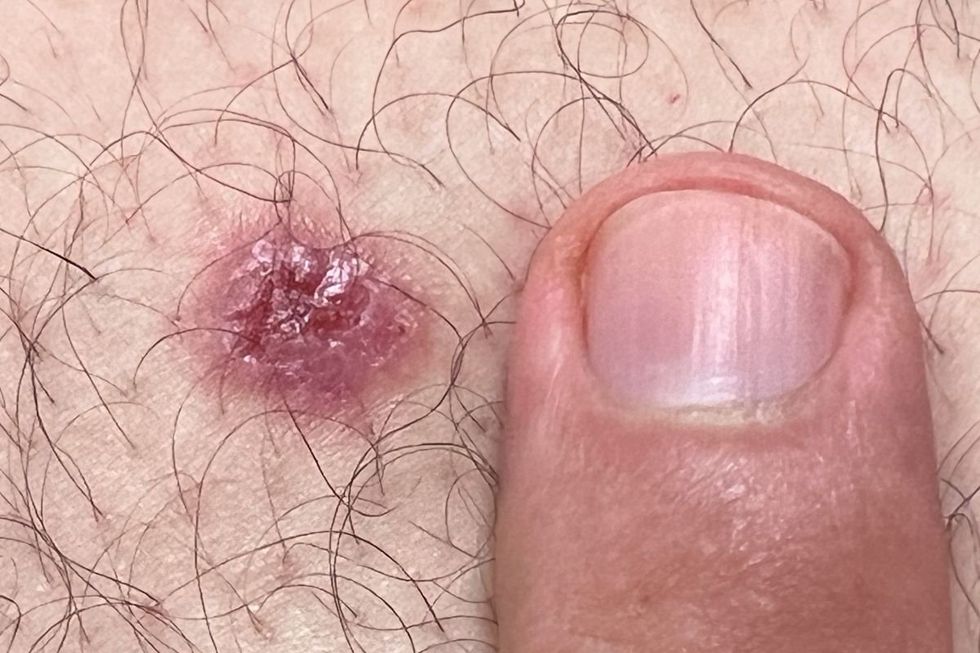
Delayed healing could be a telltale sign of cancer
|GETTY
It's worth noting that the stage at which cancer is detected can make a huge difference to outcomes, particularly if a tumour is found before it has spread.
There are also things you can do to lower your risk, such as staying active and avoiding smoking.
However, some cancers have a strong genetic component - women carrying a faulty BRCA1 gene face a 60 to 90 per cent lifetime risk of breast cancer and a 40 to 60 per cent chance of ovarian cancer.
Our Standards: The GB News Editorial Charter