




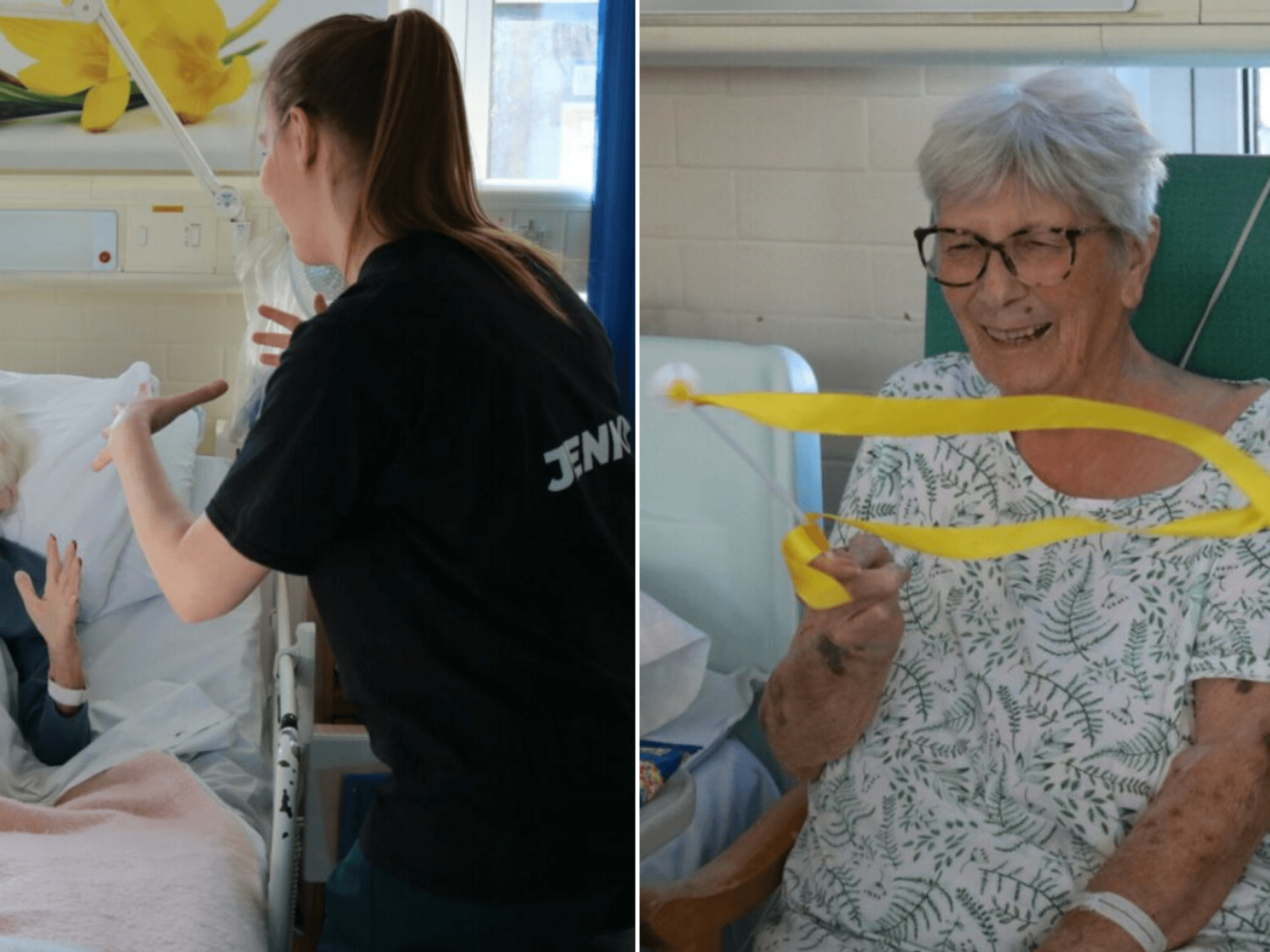




A new National Audit Office report paints a concerning picture of care for older adults living with frailty. It turns out that of the 226,000 people diagnosed with severe frailty in 2024/25, just 16 per cent received a medication review, while only 18 per cent had a falls assessment.
The findings show that frailty assessments for those over 65 still haven't bounced back to pre-pandemic levels.
GPs often fall short when it comes to providing the follow-up care patients need after diagnosis.
There's also a striking postcode lottery at play here. Assessment rates vary wildly depending on where you live, ranging from as low as 10 per cent in some areas to 90 per cent in others.
TRENDING
Stories
Videos
Your Say

Frailty is best understood as a syndrome
|GETTY
Dr Nasrin Razzaq, GP lead for personalised care with an extended role in frailty at GP Pathfinder Clinics, explained that frailty is best understood as a syndrome.
"Frailty is regarded as a syndrome, and a syndrome is a group of signs and symptoms that help recognise frailty, which includes things like being slower," she explained.
While clinicians typically focus on those over 65, the condition can affect younger people, and recognising the signs helps medical teams take a more rounded view of their patients.
"The beauty of having that sort of label or understanding that somebody has frailty is that it prompts healthcare professionals to think about the patient in a more holistic way," Razzaq explained.
"The aim of all of the work that we do with frailty is to try and maintain people's independence in their own home, because that's what most people want," explained Razzaq.
So what should you be looking out for? Slower walking pace is a major indicator, along with general muscle weakness and reduced grip strength.
LATEST DEVELOPMENTS
Persistent tiredness is another common sign, though Razzaq notes it becomes more significant when combined with other symptoms like slowing down.
Unexplained weight loss can also point to frailty, often linked to sarcopenia, which is the loss of muscle mass.
"Patients will sometimes say I had a cough, and instead of it taking three or four days to recover, it takes a week or two weeks," Razzaq added.
Anyone worried about these symptoms should contact their GP practice.
When it comes to diagnosis, the Timed Up and Go test is a classic tool. Patients stand up, walk three metres, turn around and return while being timed.
"Less than 10 seconds is considered normal, slightly more is considered mild frail and more than 15 seconds is moderate frail," Razzaq explained.

Early-stage frailty can be reversed
|GETTY
The good news is that early-stage frailty can actually be reversed.
"If we can build up the muscle mass, improve the diabetes control, improve renal function, then that frailty can shift back to pre-frail or no frailty," she says.
Treatment centres on creating personalised care plans that focus on what matters most to each patient.
"You can get exercise on prescription now, which helps meet a lot of patients' physical and social needs," Razzaq added.
Our Standards: The GB News Editorial Charter