










Scientists have discovered a viral TikTok and Instagram skincare trend featuring rosemary products might actually be onto something, after their findings showed rosemary extract contains an antioxidant called carnosic acid that may shift how skin repairs itself.
Scientists at the University of Pennsylvania's Perelman School of Medicine have found evidence a natural compound in rosemary leaves could help wounds heal better while reducing scar formation.
"Our findings suggest that rosemary extract, and specifically the antioxidant, carnosic acid, can shift the healing process from scarring to healthy skin regeneration," said senior author Thomas Leung, an associate professor of Dermatology at Penn.
The study, published in JCI Insight, started after one of the researchers on the study was scrolling through social media.
TRENDING
Stories
Videos
Your Say
Penn undergraduate Jiayi Pang and PhD candidate Emmanuel Rapp Reyes noticed countless creators pushing rosemary serums and products for skin recovery, so they approached Leung to find out if there was any truth behind the hype.
"We hypothesised there was likely something real behind the hype because rosemary contains many antioxidants," said Pang, co-lead author of the study.
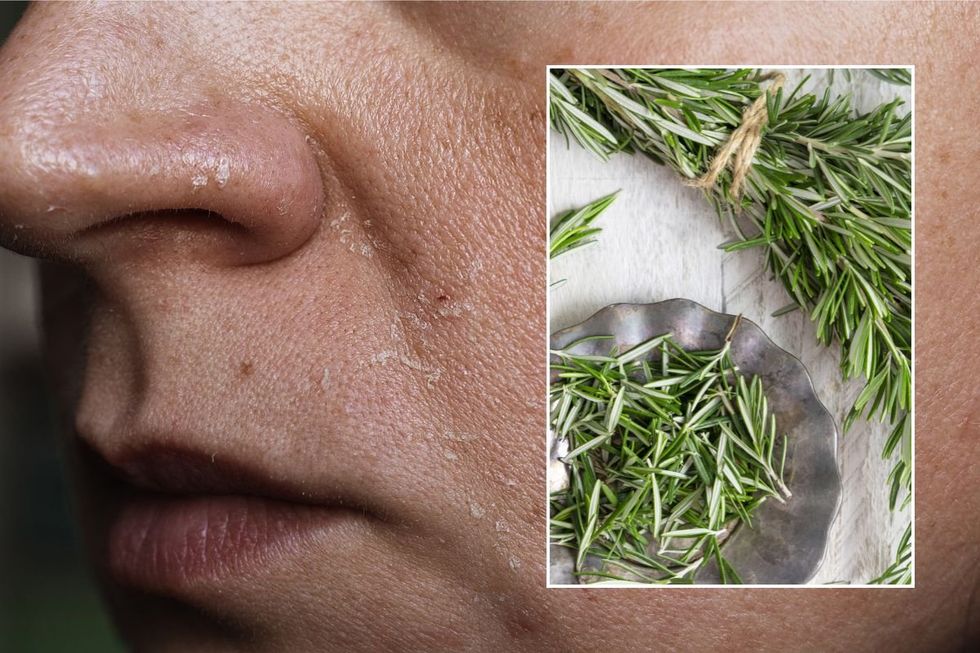
'If rosemary is part of your skincare regimen and you think it's working, it likely is'
|GETTY
"But we knew in order to really uncover its potential, we needed to prove its healing properties and uncover how exactly it was facilitating healing."
Their curiosity kicked off a series of lab experiments, including the development of a cream using carnosic acid and testing it on mice, with impressive results.
The treatment accelerated wound closure and helped regenerate structures like hair follicles, oil glands, and cartilage.
Interestingly, the scientists discovered the compound works by activating a skin nerve sensor called TRPA1, which has previously been linked to scar-free healing.
When they applied the cream to mice lacking this particular sensor, the regenerative benefits disappeared entirely.
LATEST DEVELOPMENTS
The research also showed the healing effect only works locally – applying the cream away from the wound site didn't produce the same results.
The researchers found rosemary stood out from other options that can trigger the same nerve sensor.
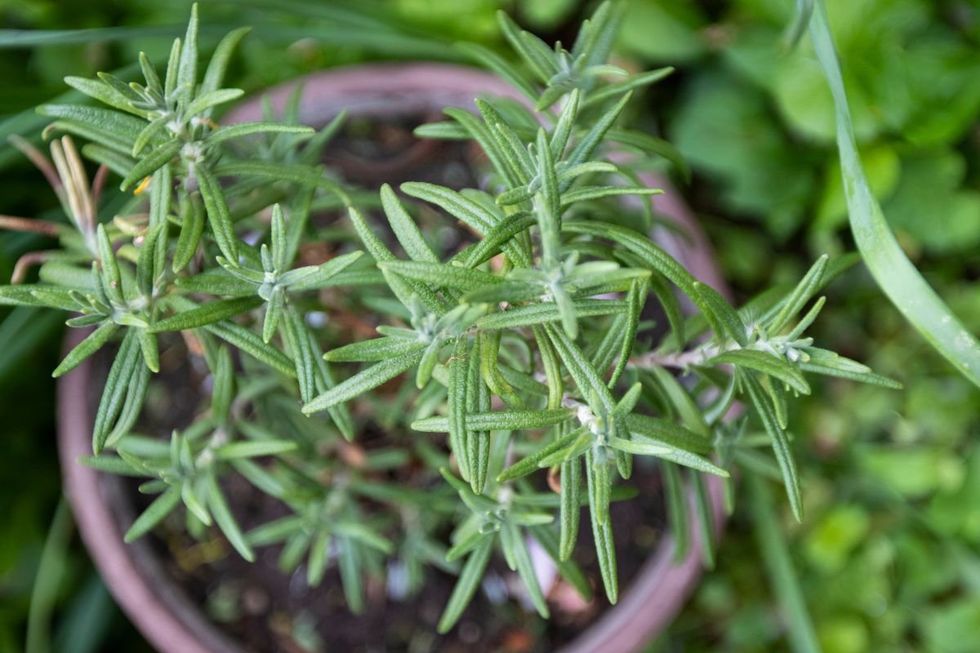
Rosemary contains an abundance of antioxidants
|GETTY
The Penn team does advise chatting with your doctor before adding rosemary products to your routine or whipping up homemade mixtures.
But Leung offered some reassurance for those already using it: "If rosemary is part of your skincare regimen and you think it's working, it likely is."
Our Standards: The GB News Editorial Charter