








Labour is set to introduce new regulations that will fundamentally alter how certain vehicles are governed on UK roads for the first time.
The Draft Goods Vehicles (Testing, Drivers' Hours and Tachographs etc.) (Amendment) Regulations 2026 received backing from Parliament this week, introducing sweeping changes for zero emission vehicles between 3.5 and 4.25 tonnes.
Transport Minister Simon Lightwood told MPs at the Delegated Legislation Committee the measures would affect thousands of motorists currently subject to Heavy Goods Vehicle requirements.
"The aim of the changes is to ensure that 3.5 to 4.25 tonne zero emission vans are regulated in the same way as internal combustion engine vans that weigh over three tonnes, up to and including 3.5 tonnes," he explained.
TRENDING
Stories
Videos
Your Say
Under the current framework, electric vans in this weight category must undergo heavy vehicle testing just 12 months after initial registration, followed by annual checks thereafter.
The new rules will also shift these vehicles into the class 7 MOT testing system, with the first examination not required until three years after registration.
Mr Lightwood highlighted the practical benefits for fleet operators, noting that the class 7 MOT network offers considerably more testing locations than the heavy vehicle system.
"The class 7 MOT is also cheaper, which, combined with the later first test, will reduce costs for businesses with 3.5 to 4.25 tonne zero emission vans," the minister stated.
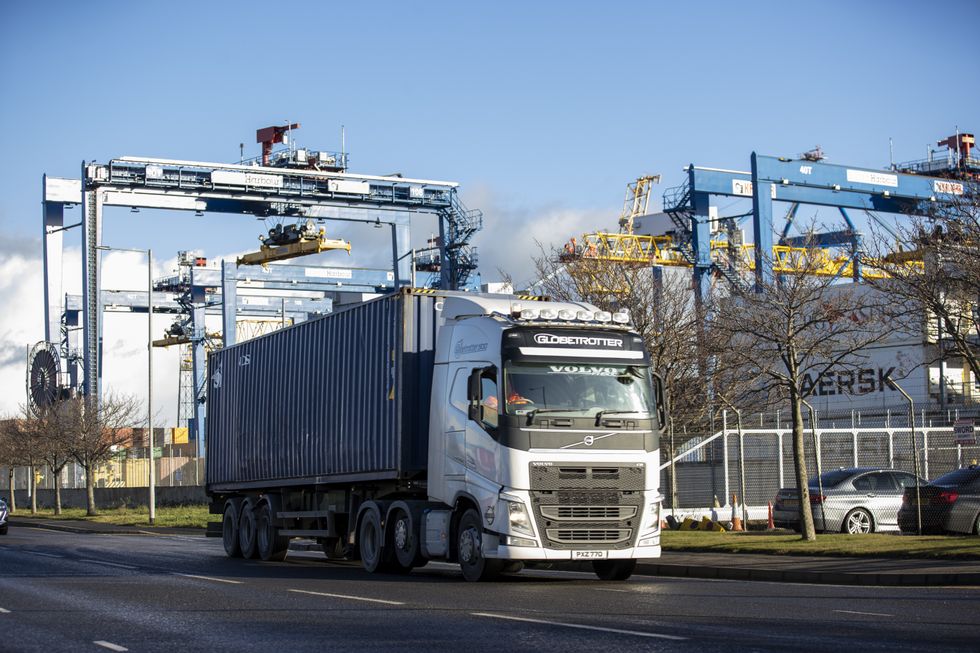
The changes will impact driving hours on the road and the way MOT tests are conducted
| PAThe regulations also amend the Road Vehicles (Construction and Use) Regulations 1986 to raise minimum tyre tread depth requirements for these vehicles.
Currently, electric vans in this weight bracket fall under EU drivers' hours rules, which mandate tachograph installation to monitor driving time.
Mr Lightwood explained that while some operators already benefit from a limited exemption to GB rules, it only applies within a 100-kilometre radius of their base, although this will be removed.
Under GB rules, the maximum daily driving allowance extends by one hour compared to the assimilated regulations, though an 11-hour daily duty limit remains in place.
LATEST DEVELOPMENTS
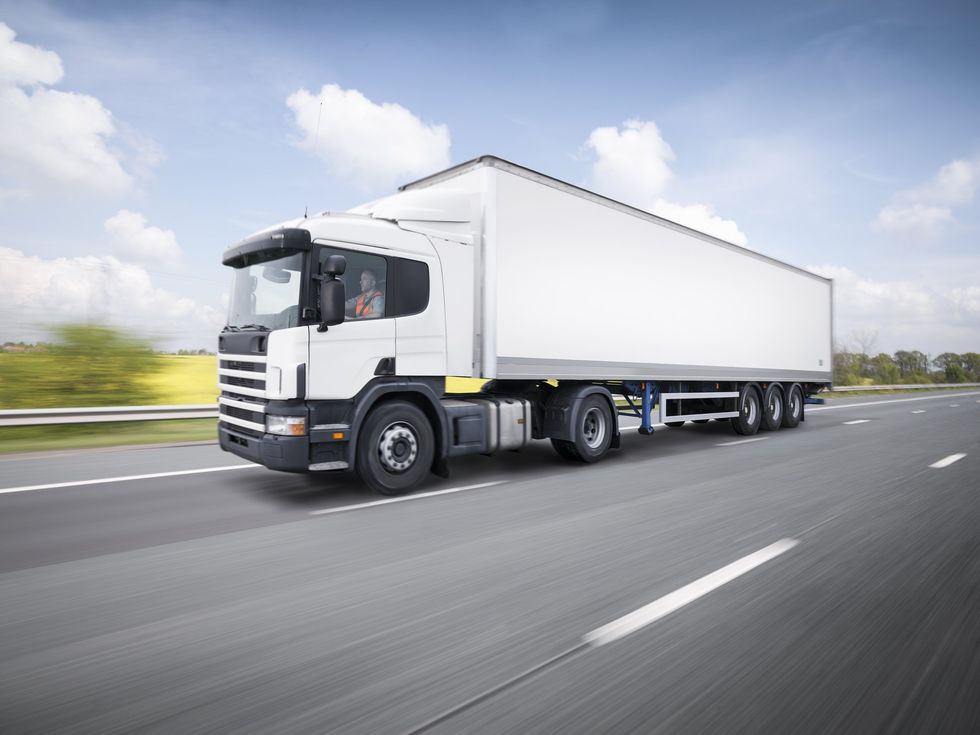
Under the new rules, drivers of electric HGVs would come under the same regulations as petrol and diesel vehicles
| GETTYDomestic transport is the largest source of greenhouse gases at around 30 per cent, although van numbers have risen substantially, climbing by 9.5 per cent between 2019 and 2024.
"The different regulatory requirements for 3.5 to 4.25 tonne zero emission vans act as a disincentive for businesses looking to make the switch to a zero emission van," the minister argued.
On safety considerations, Mr Lightwood acknowledged that while these electric vans are heavier than their petrol equivalents, features such as regenerative braking can support safer driving.
He said: "Following the implementation of the regulations, road safety data will be closely monitored, and the number and severity of collisions will be analysed to understand the regulations' impact on road safety, if any."

The Transport Minister received backing from Parliament over the new HGV rules
|PARLIAMENT UK
Conservative MP Greg Smith, representing Mid Buckinghamshire, expressed reservations about the broader implications of encouraging heavier vehicles on British roads.
"Road damage increases exponentially with axle weight, and it would be a mistake not to recognise that this broader change, which encourages heavier vehicles, is unlikely to come without a cost to our roads," he warned.
Mr Smith questioned whether ministers had conducted comprehensive assessments of potential road surface impacts.
Liberal Democrat spokesperson Olly Glover, MP for Didcot and Wantage, said: "The rules of physics still apply, and these electric goods vehicles will be heavier."