

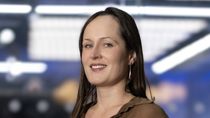




At just 13 years old, Alyssa Tapley from Leicester was told palliative care was her only option as she battled T-cell leukaemia.
Then everything changed after the teenager made history as the first person on the planet to receive BE-CAR7, a groundbreaking therapy that reprogrammes healthy immune cells to hunt down and destroy cancer.
Alyssa's diagnosis came in May 2021 after months of symptoms her family had mistaken for ordinary colds and tiredness.
But neither chemotherapy nor a bone marrow transplant worked for her, leaving the young patient believing her cancer couldn't be beaten.
TRENDING
Stories
Videos
Your Say
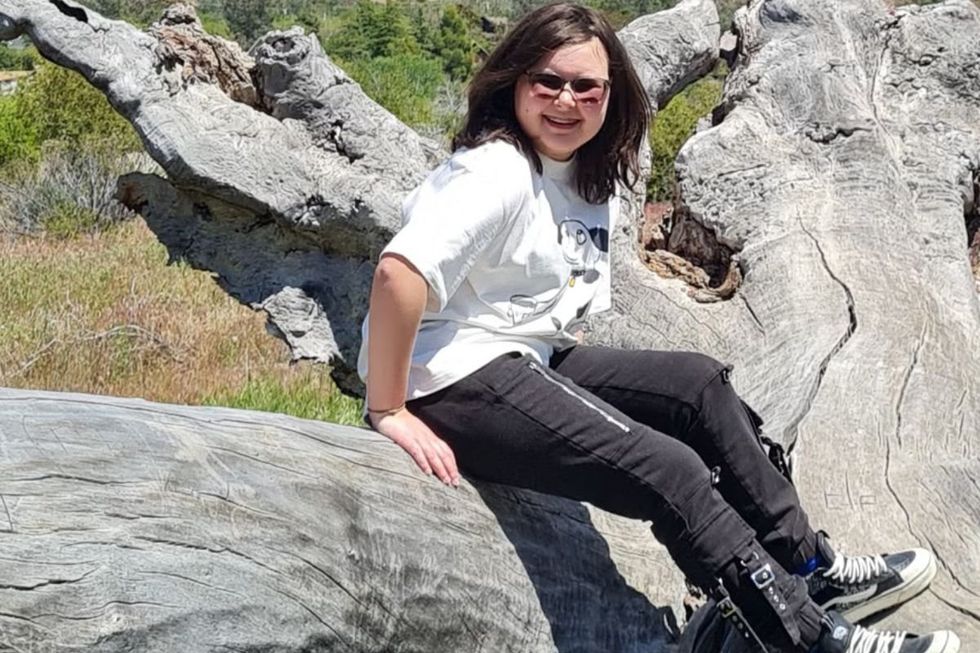
Neither chemotherapy nor a bone marrow transplant has worked for Alyssa
|PA WIRE
But three years on from receiving the groundbreaking therapy at Great Ormond Street Hospital in 2022, Alyssa is now 16 and completely cancer-free. She's been discharged to long-term follow-up care.
Her decision to join the trial came from a place of selflessness, driven by a desire to help others.
"I chose to take part in the research as I felt that, even if it didn't work for me, it could help others," she said. "Years later, we know it worked, and I'm doing really well. I've done all those things that you're supposed to do when you're a teenager."
She's been sailing, completed time away from home for her Duke of Edinburgh Award, and even returned to school – something she could only dream about during her illness.
"I'm not taking anything for granted," Alyssa added. "Next on my list is learning to drive, but my ultimate goal is to become a research scientist and be part of the next big discovery that can help people like me."
How does the treatment work?
Traditional CAR T-cell therapy takes a patient's own T cells, modifies them in a laboratory with special proteins called chimeric antigen receptors, then infuses them back into the bloodstream to hunt down cancer.
But there's a catch when treating T-cell leukaemia – the cancer itself develops from abnormal T cells, making the standard approach far trickier.
LATEST DEVELOPMENTS
BE-CAR7 gets around this problem by using healthy donor T cells instead.
Scientists at Great Ormond Street Hospital and University College London developed a technique called base editing, which allows them to alter individual letters of DNA code within living cells.
This clever modification lets the T cells function after chemotherapy while preventing them from attacking the patient's normal cells.
Once the base-edited CAR T-cells enter a patient's body, they quickly seek out and destroy all T cells, including the cancerous ones.
If the leukaemia clears within four weeks, doctors then rebuild the immune system through a bone marrow transplant over several months.
The clinical trial results are genuinely impressive – 64 per cent of the 13 patients treated with BE-CAR7 are now disease-free, with findings published in the New England Journal of Medicine.
Professor Waseem Qasim, a cell and gene therapy expert at UCL, said: "We've shown that universal or 'off-the-shelf' base-edited CAR T-cells can seek and destroy very resistant cases of CD7+ leukaemia."
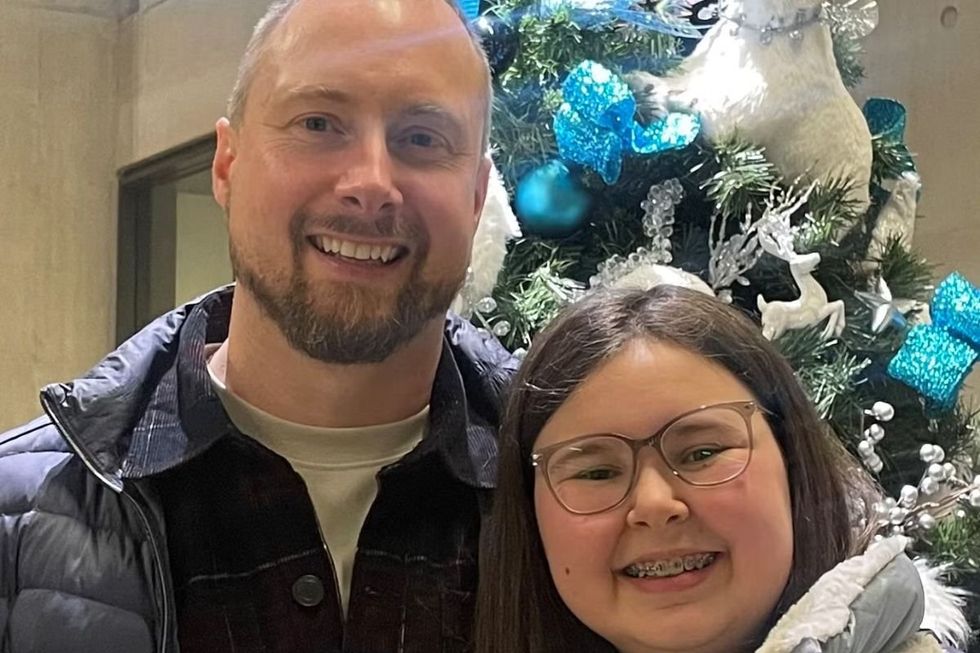
Alyssa with her father, James Tapley
|PA WIRE
Dr Rob Chiesa from Great Ormond Street Hospital noted that roughly 20 per cent of children with T-cell leukaemia don't respond to standard treatments.
"It's these patients who desperately need better options," he said.
Our Standards: The GB News Editorial Charter