









Scientists have warned that how you position yourself in bed could be causing more problems than just a stiff back, with certain postures found responsible for acid reflux, snoring, and even nerve symptoms that greet you when you wake up.
"What we care about is if someone is comfortable in their sleep position. Oftentimes, we sleep in certain ways because of comfort," Shelby Harris, clinical psychologist and behavioural sleep specialist, told Fox News.
But when we settle into awkward positions, our bodies stay motionless for hours, putting strain on nerves, muscles and ligaments throughout the night.
One sleeping habit that's been getting attention on social media is the so-called "T. rex position" – where people tuck their arms in close to their body while they sleep.
TRENDING
Stories
Videos
Your Say
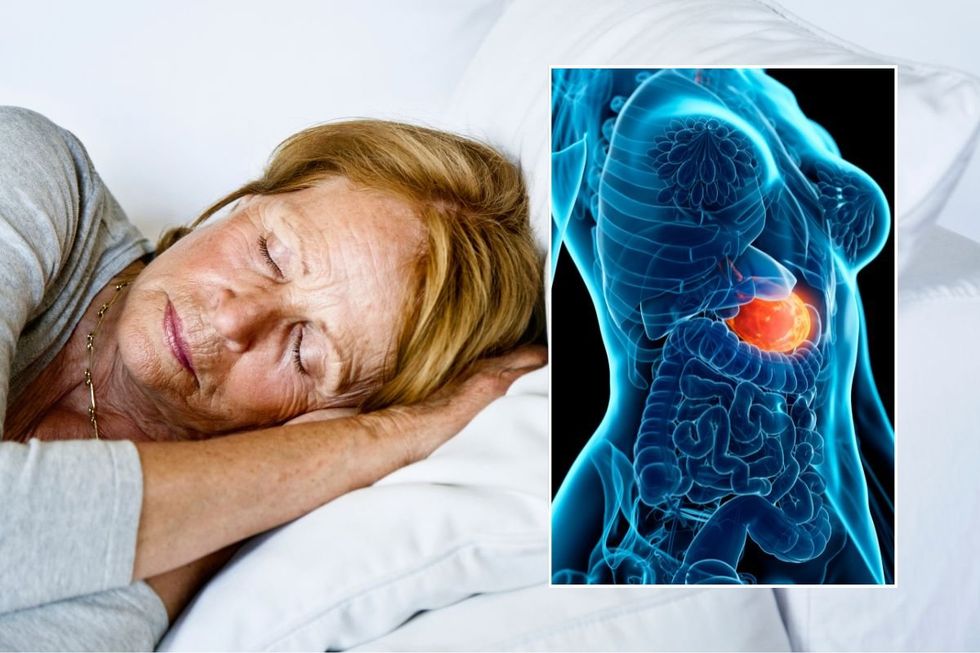
Side sleeping comes out on top as the most beneficial position
|GETTY
Health experts warn this pose is a recipe for nerve compression, which explains why so many people wake up with numb arms.
A 2023 review looking at cubital tunnel syndrome found that keeping your elbow sharply bent or tucked beneath a pillow overnight can ramp up pressure on the nerve.
This condition brings unpleasant symptoms like numbness and shooting pain through the forearm, and sleeping with bent arms only makes things worse.
Sleeping on your stomach might seem cosy, but it's actually linked to spine misalignment and pain in your back, neck and shoulders.
The problem is you have to twist your head to one side just to breathe, which throws everything out of whack.
Interestingly, it's the least popular sleeping position, even though there's evidence it can reduce snoring.
Flipping onto your back isn't necessarily the answer either. While it keeps your arms free, the Sleep Foundation notes that back sleeping can make snoring worse and contribute to acid reflux.
LATEST DEVELOPMENTS
So before you change positions, it's worth weighing up what you might be trading one problem for another.
Fortunately, side sleeping comes out on top as the most beneficial position, and it's also the most common way people naturally rest.
Mayo Clinic guidance suggests sleeping on your side with your knees slightly bent and putting a pillow between your legs.
This helps keep your spine, pelvis and hips properly aligned while taking pressure off your back.

Sleeping on your back can contribute to acid reflux
|GETTY
Johns Hopkins Medicine points out that your sleeping position becomes increasingly important as you age or develop health conditions.
If you can't ditch stomach sleeping straight away, experts recommend using thinner pillows to reduce neck strain.
And if sleep remains a struggle regardless of position, Harris suggests consulting a sleep specialist.
Our Standards: The GB News Editorial Charter