










The first full moon of 2026 is set to be visible above Britain in the opening few days of the new year, as 2026 opens up with a cosmic surprise.
Known as the "Wolf Supermoon", this lunar spectacle reaches its peak on January 3, wrapping up an impressive run of four consecutive supermoons that began back in October.
Because the moon will be at its closest point to Earth in its orbit, stargazers can expect it to look noticeably bigger and brighter than the average full moon – up to 14 per cent larger and around 30 per cent brighter, in fact.
So why the name Wolf Moon? It turns out this traditional title has roots in North American mid-winter folklore.
TRENDING
Stories
Videos
Your Say
The howling of wolves was commonly heard during this time of year, and early settlers associated the sound with January's full moon.
"It was traditionally thought that wolves howled due to hunger, but we now know that wolves use howls to define territory, locate pack members, reinforce social bonds, and gather for hunting," The Old Farmer's Almanac explains.
European settlers may have even used the term before arriving in North America.
January's full moon goes by plenty of other names too, including Cold Moon, Hard Moon, or the Greetings Moon from the Western Abenaki people.
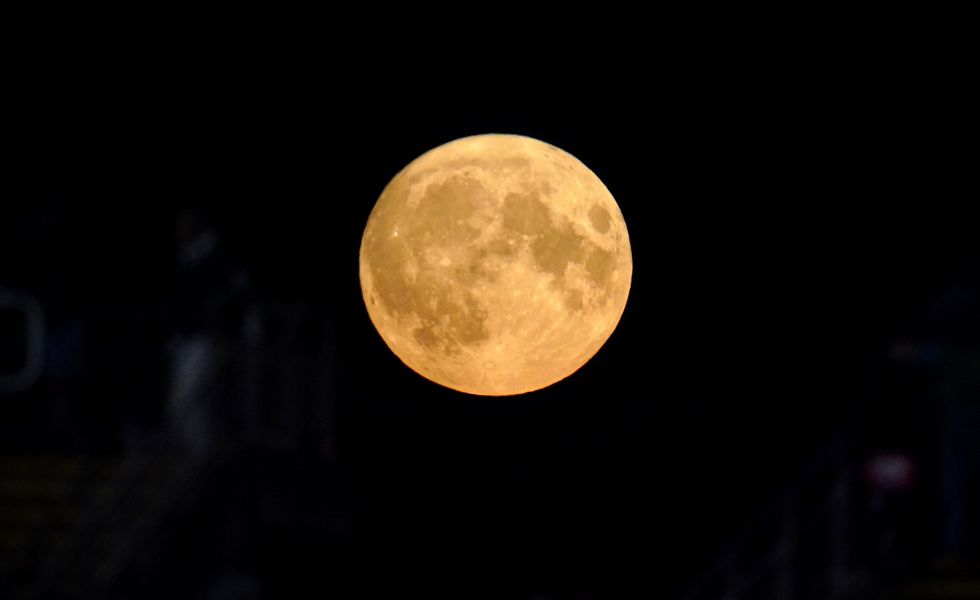
January's full moon goes by plenty of other names too, including Cold Moon, Hard Moon, or the Greetings Moon
|PA
For the best views, timing is crucial.
The moon officially reaches its fullest point early Saturday morning at around 10:03am.
Head outside, face east, and try to find an elevated spot or open landscape with a clear horizon in order to get the best view.
The naked eye is perfectly suited for enjoying the spectacle, though a pair of binoculars may be able to add an extra level of detail.
LATEST DEVELOPMENTS
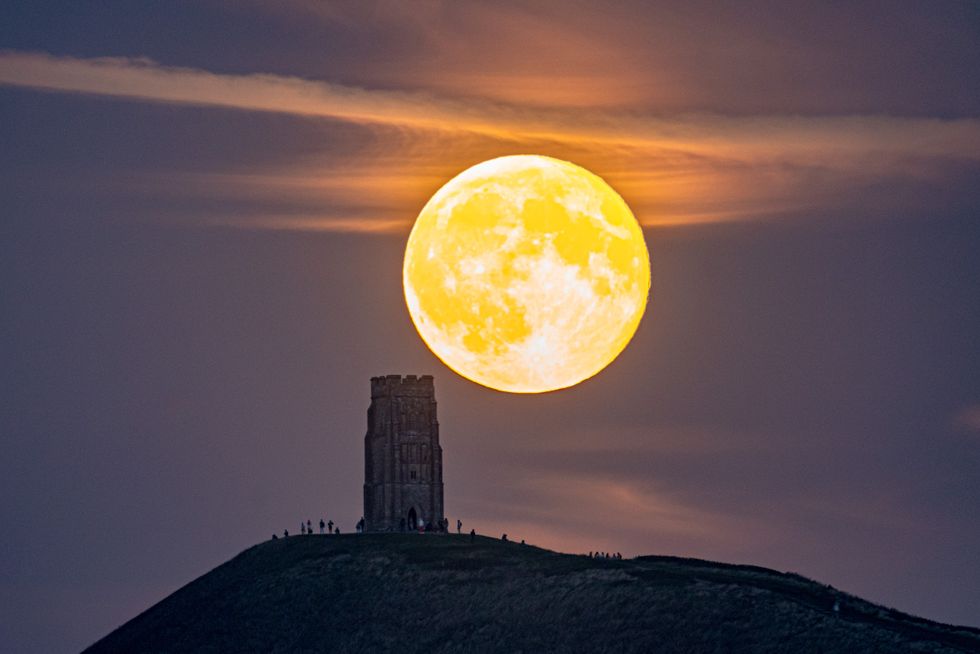
There was a stunning supermoon back in October, visible across the UK
| REUTERSThis particular full moon will also hang higher in the sky more than any other this year, giving you the longest viewing window of 2026.
Looking ahead, 2026 is shaping up to be a great year for enthusiasts.
There'll be 13 full moons in total, including a blue moon on May 31 – that extra full moon that pops up because the lunar year is shorter than our calendar year.
There's also a total lunar eclipse on March 3, which will be the last "blood moon" until late 2028.
Two more supermoons are on the calendar: November's beaver moon and December's cold moon.
And for planet enthusiasts, mark January 10 in your diary – Jupiter reaches opposition, making it the perfect time to spot our solar system's largest planet.
Our Standards: The GB News Editorial Charter