










Scientists have been left astonished after uncovering 26 previously unidentified bacterial species thriving within Nasa's meticulously sterilised cleanroom facilities.
These highly controlled environments at the Kennedy Space Center in Florida is where spacecraft undergo assembly and testing.
Researchers employ rigorous contamination prevention measures including filtered air systems, precise temperature and humidity regulation, and aggressive chemical cleaning agents.
However, these microscopic organisms have managed to persist.
"It was a genuine 'stop and re-check everything' moment," Alexandre Rosado, a professor of Bioscience at King Abdullah University of Science and Technology in Saudi Arabia, told Live Science.
The bacterial samples were originally gathered in 2007 during preparation of the Phoenix Mars Lander, but recent advances in DNA analysis technology have only now enabled researchers to properly identify them.
The primary function of these sterile facilities is to prevent terrestrial microorganisms from contaminating celestial bodies that might harbour their own life forms.
Equally important is their role in safeguarding our planet from any potential extraterrestrial organisms that could return aboard sample collection missions.
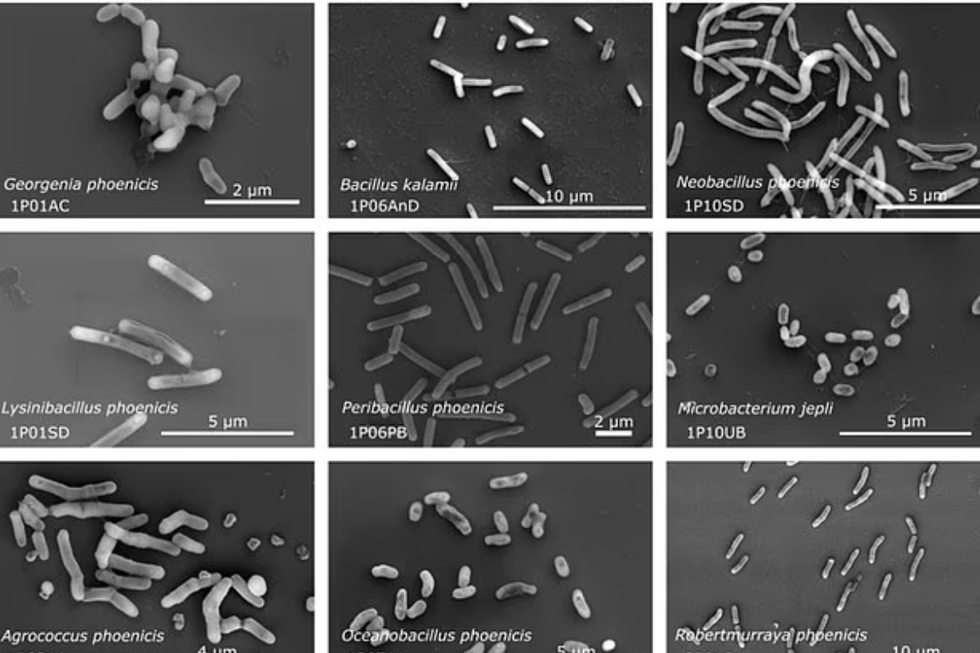
Some of the micro-organisms found in the cleanroom
|MICROBLOME
However, the notion these spaces are entirely devoid of biological activity has now been challenged.
Professor Rosado explained: "Cleanrooms don't contain 'no' life. Our results show these new species are usually rare but can be found."
Research published in the journal Microbiome emphasised preserving the biological cleanliness of Nasa's spacecraft assembly facilities remains essential for planetary protection protocols.
The study noted despite stringent controls encompassing regulated airflow, temperature management and thorough cleaning regimes, resilient microorganisms can still endure in these demanding environments, potentially jeopardising space missions.
LATEST DEVELOPMENTS FROM SPACE
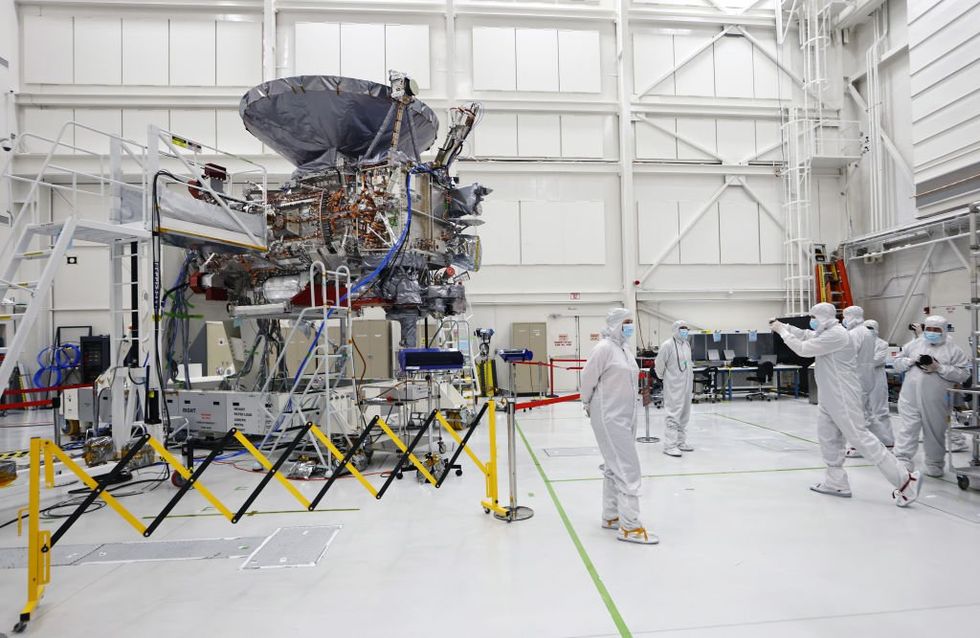
One of the NASA's clean rooms in Pasadena, California
|GETTY
Investigation into these hardy microbes has revealed the genetic mechanisms enabling their survival in such punishing conditions.
The bacteria possess genes conferring resistance to radiation exposure, along with the remarkable ability to repair damage to their own DNA.
These genetic adaptations, combined with dormancy-related resilience, have allowed the organisms to not merely survive but actually flourish in one of the harshest artificial environments ever created.
The discovery carries significant implications for planetary protection efforts, as researchers warn any microbe capable of evading standard cleanroom protocols could similarly circumvent safeguards designed to prevent Earth life from contaminating other worlds.
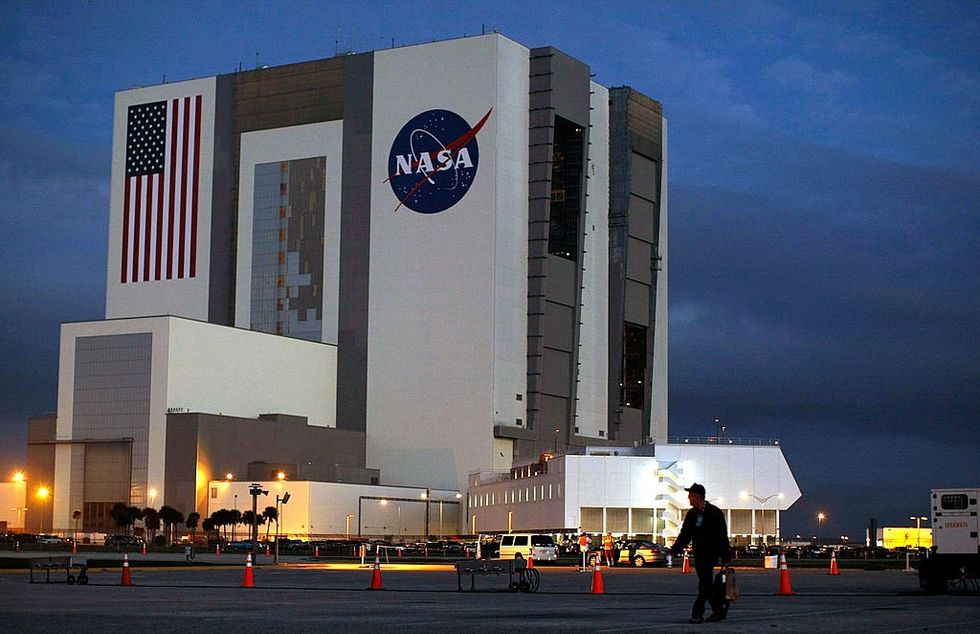
The discovery was made at the Kennedy Space Center
|GETTY
Several of the newly identified species carry genetic traits that may enable them to withstand the stresses associated with space travel, though their ability to endure vacuum conditions, extreme cold and intense ultraviolet radiation remains untested
To determine whether these bacteria could actually survive a voyage to Mars, scientists are constructing a planetary simulation chamber at King Abdullah University of Science and Technology in Saudi Arabia.
The facility, currently in its final assembly stages, will subject the microorganisms to conditions mimicking both interplanetary travel and the Martian surface.
Pilot experiments are anticipated to commence in early 2026.
The chamber has been engineered to replicate the low, carbon dioxide-rich atmospheric pressure found on Mars, elevated radiation levels, and the dramatic temperature fluctuations spacecraft encounter during their journey.
Beyond implications for space exploration, researchers believe these extraordinarily resilient bacteria hold considerable promise for biotechnology application.
Their resistance to radiation and chemical stressors could potentially driving advances in medicine, pharmaceuticals and food production.
Our Standards: The GB News Editorial Charter