










Astronomers have identified the fastest-spinning large asteroid ever recorded: a space rock measuring more than 700 metres across that completes a full rotation in less than 2 minutes.
The object, designated 2025 MN45, was spotted by the Vera C. Rubin Observatory in Chile during its initial observation period in late April and early May 2025.
At more than 500 metres wide, this asteroid rotates at a velocity previously considered physically impossible for an object of its size.
The discovery emerged from data collected across nine nights of observations, marking one of the first major scientific findings from the newly operational telescope facility.
According to established theories of asteroid dynamics, objects larger than roughly 150 metres should not be able to spin faster than once every 2.2 hours without tearing themselves apart.
At higher rotational velocities, centrifugal forces would overcome the asteroid's own gravitational pull, causing it to fragment or eject material into space.
Yet 2025 MN45 shatters this theoretical limit entirely, completing rotations approximately 70 times faster than the supposed maximum.
The finding has forced researchers to reconsider fundamental assumptions about how large asteroids behave and what structural properties allow them to withstand such extreme forces.
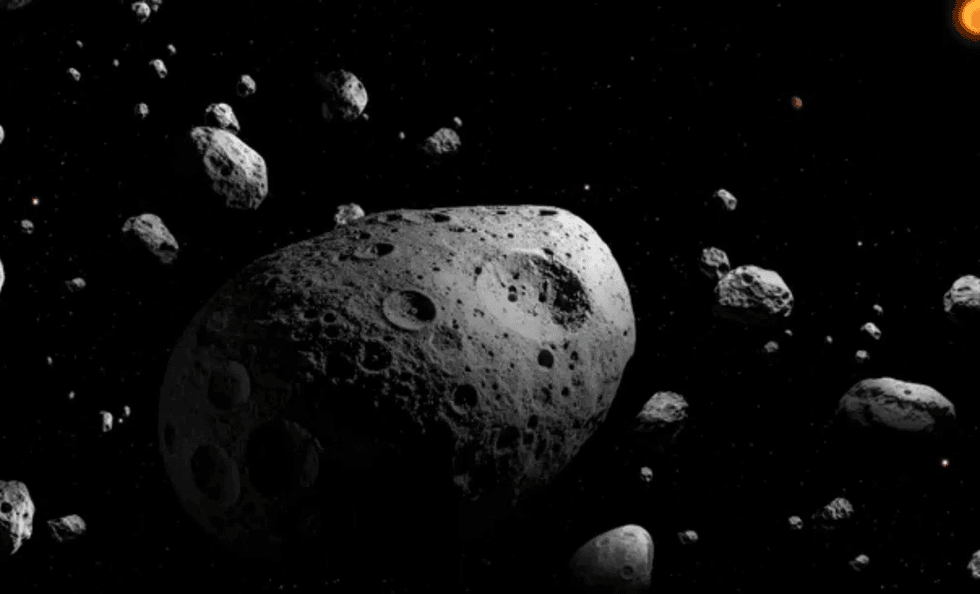
Objects larger than roughly 150 metres should not be able to spin faster than once every 2.2 hours without tearing themselves apart
|SLAC
Dmitrii Vavilov, an astronomer at the University of Washington in Seattle, presented these findings at the Lunar and Planetary Science Conference in Texas on March 17.
"The speed of rotation we observed was almost unbelievable," Mr Vavilov said during his presentation.
He emphasised how dramatically the discovery contradicts established scientific understanding, stating: "We thought that was crazy that they could rotate any faster."
Mr Vavilov further highlighted the stark contrast between theory and observation, saying: "2.2 hours is supposed to be the limit for this asteroid, and yet it's rotating in less than 2 minutes."
LATEST DEVELOPMENTS
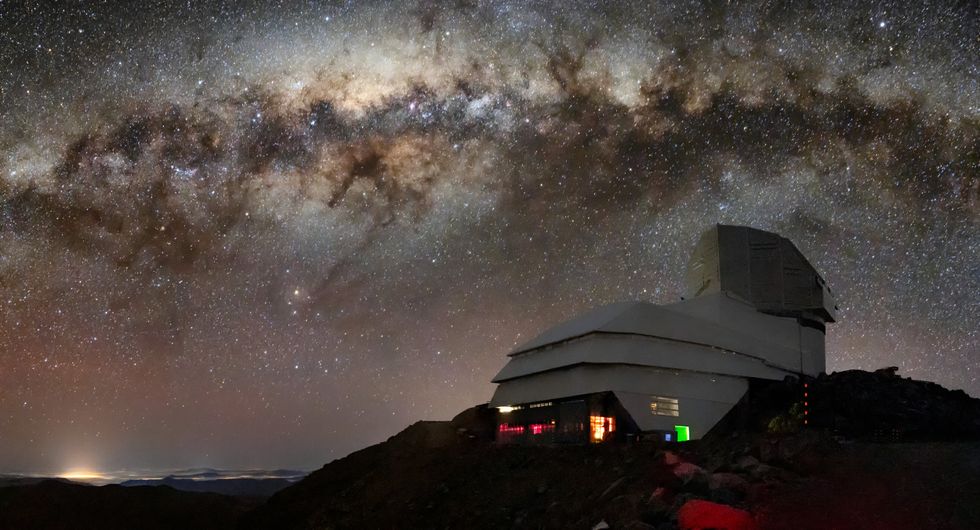
The object, designated 2025 MN45, was spotted by the Vera C. Rubin Observatory in Chile during its initial observation period
|WIKIMEDIA COMMONS
The research has been published in The Astrophysical Journal Letters.
The research team concluded 2025 MN45 cannot be composed of loose rubble or loosely packed material, as many scientists had previously assumed for asteroids of this size.
Instead, the object must possess genuine internal strength to survive such extreme rotational forces.
"Even clay would not be enough to hold this asteroid together," Mr Vavilov remarked, suggesting the space rock is likely made of solid rock or possibly metal.
This insight challenges longstanding models that depicted most asteroids as weakly bound collections of debris, opening new possibilities for understanding what these ancient objects are actually made of.
Our Standards: The GB News Editorial Charter