










The Sun has unleashed a severe solar radiation storm - the most powerful such event in more than two decades.
The National Weather Service's Space Weather Prediction Centre is monitoring the storm, which ranks at level four on a five-point severity scale, as it heads towards our planet.
"An S4 severe solar radiation storm is now in progress - this is the largest solar radiation storm in over 20 years," the SWPC announced.
"The last time S4 levels were observed was in October 2003."
The agency noted potential impacts are primarily limited to space launches, aviation operations and satellite systems.
But it is barrelling towards Earth at the same time as a G5 geomagnetic storm hits our planet - sparking aurorae around the world.
Unlike the fast-moving charged particles of a solar radiation storm, geomagnetic storms result from coronal mass ejections travelling at slower speeds.
The Met Office warns a G5 event could cause problems with power grids - which "may experience complete collapse or blackouts".
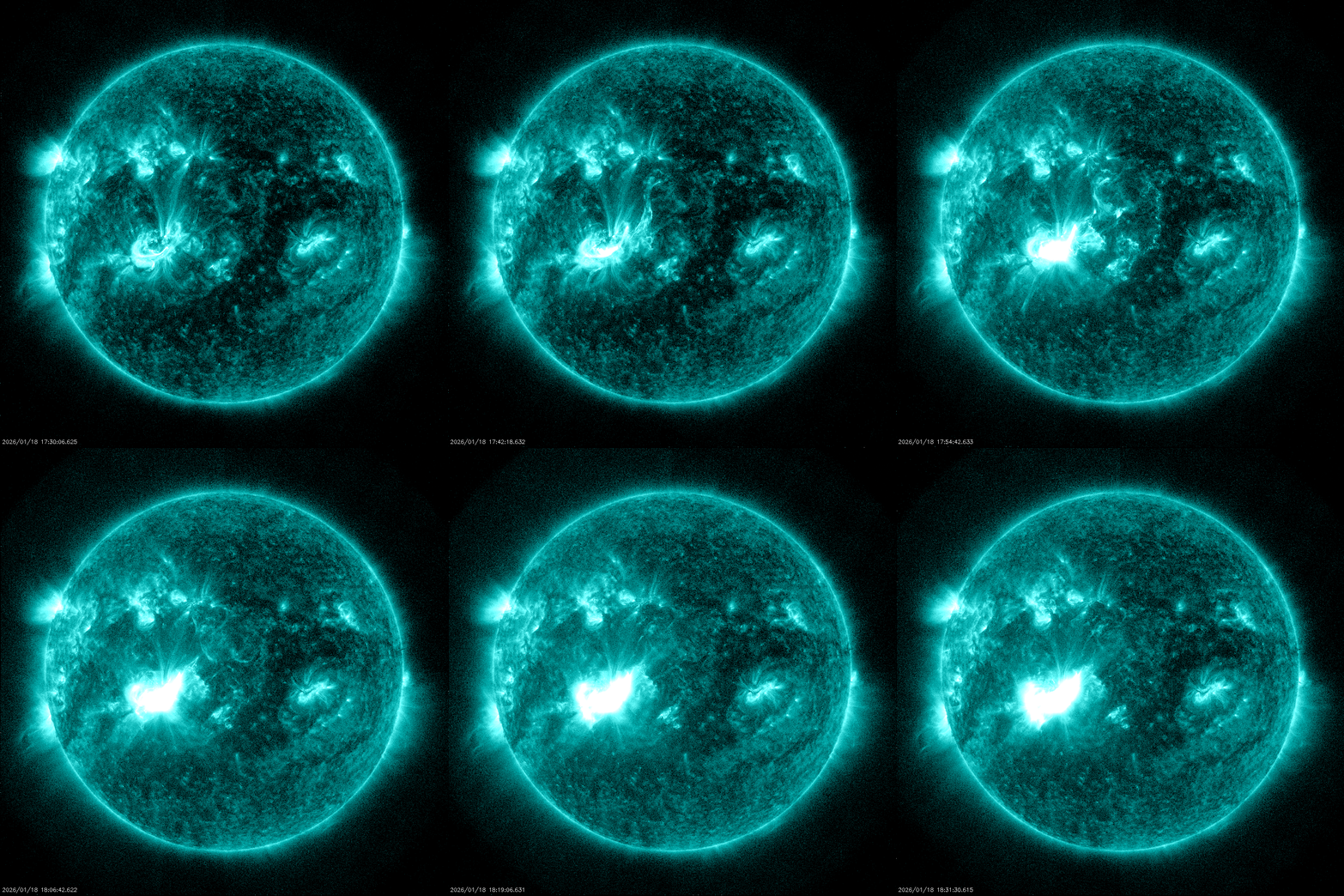
Shocking images show the X-flare - far larger than our entire planet - breaking through the surface of the Sun
|NASA
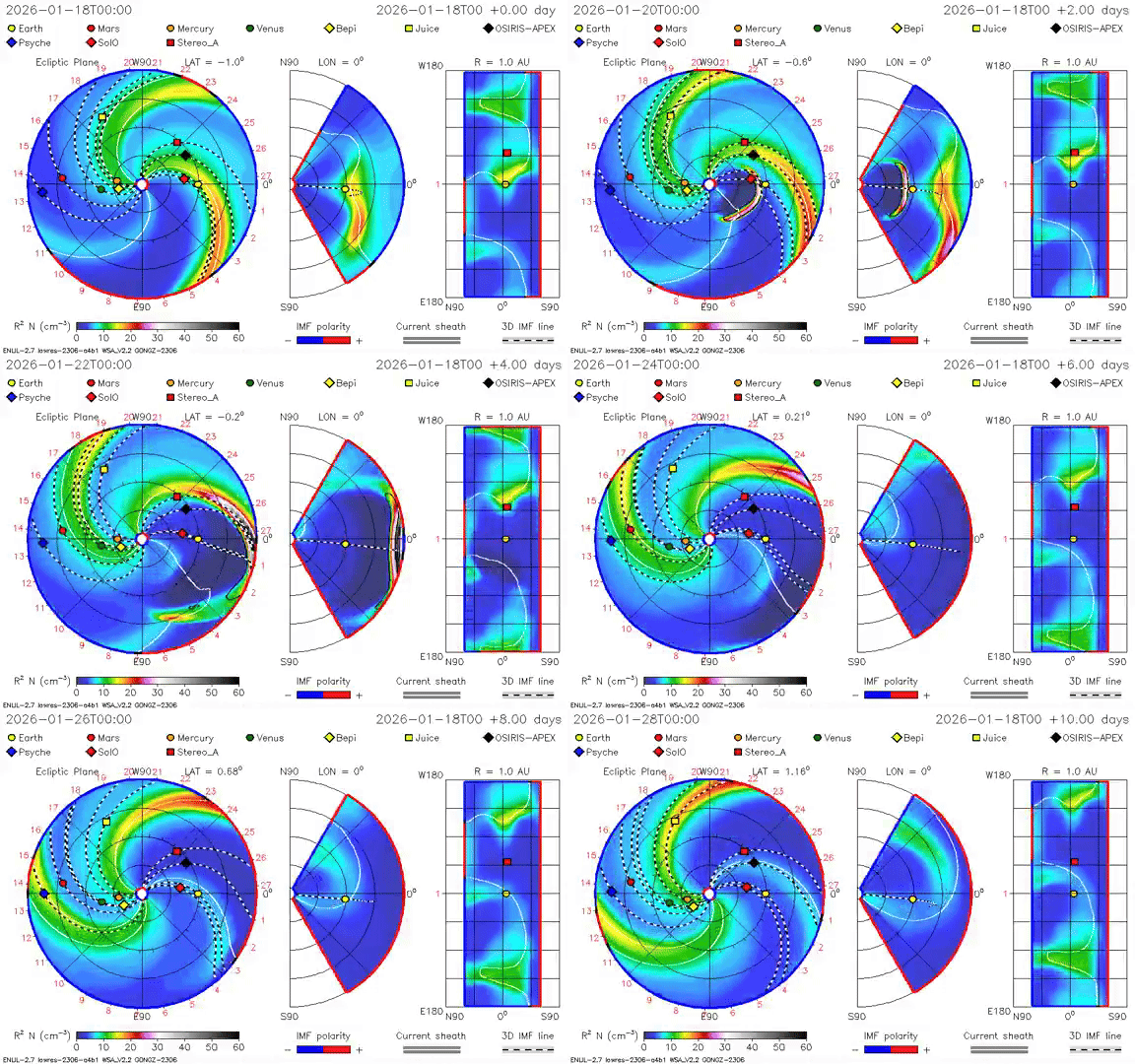
Nasa imagery shows the flare escaping the Sun and pulsing outwards towards Earth
|NASA
Back in the US, the SWPC has alerted multiple organisations to prepare for the incoming storm, including Nasa, the Federal Aviation Administration, the Federal Emergency Management Agency and the North American Electric Reliability Corporation.
Astronauts aboard the International Space Station are also at risk of heightened radiation exposure during such events.
Crew members can relocate to better-shielded areas of the station, a precaution taken during previous solar storms including an extreme geomagnetic event in May 2024.
Satellites used for communications and navigation are also vulnerable to increased radiation levels.
SOLAR FLARES - READ MORE:
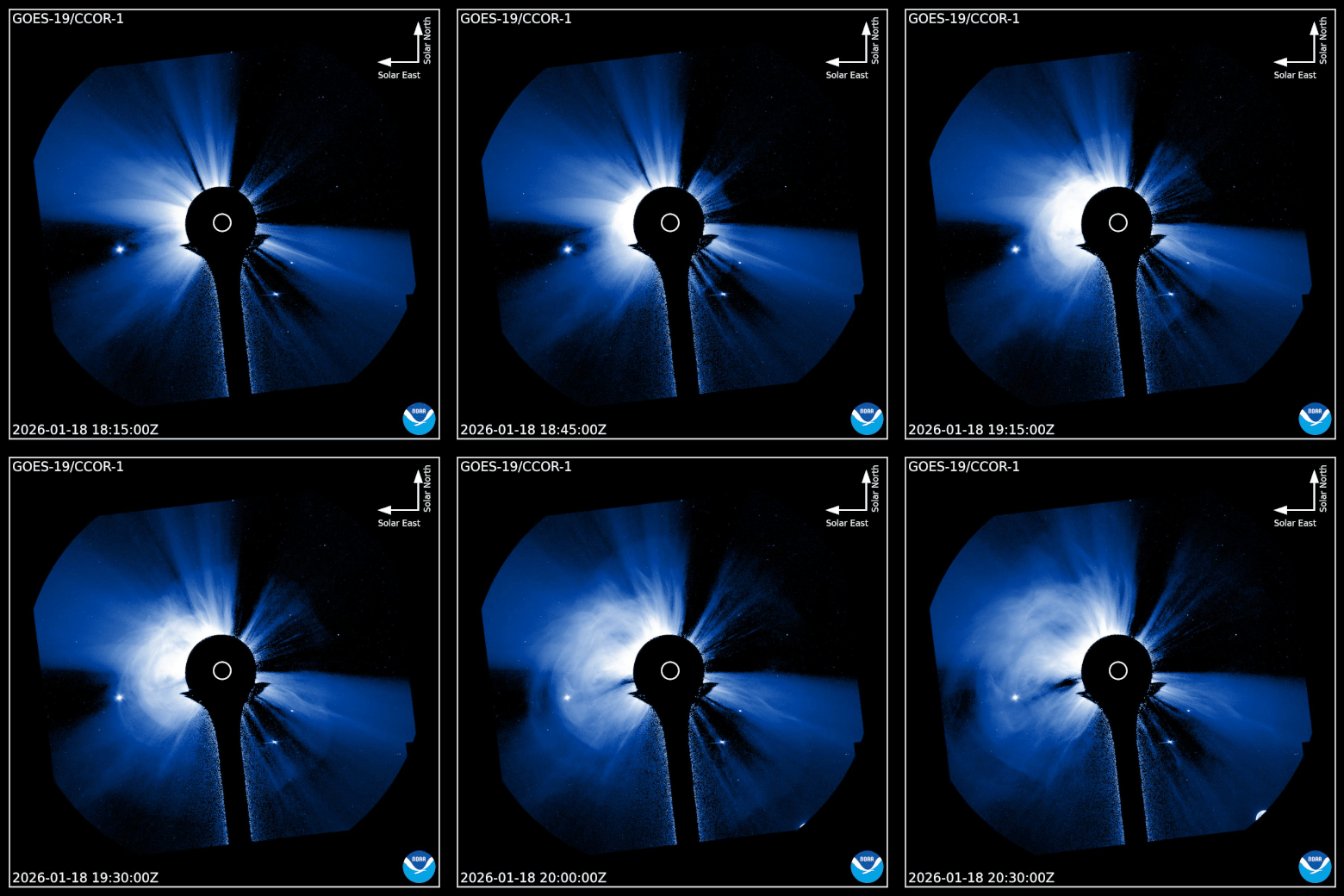
NOAA imagery - with the Sun blotted out in the centre - shows the huge flare escaping our star
|NOAA
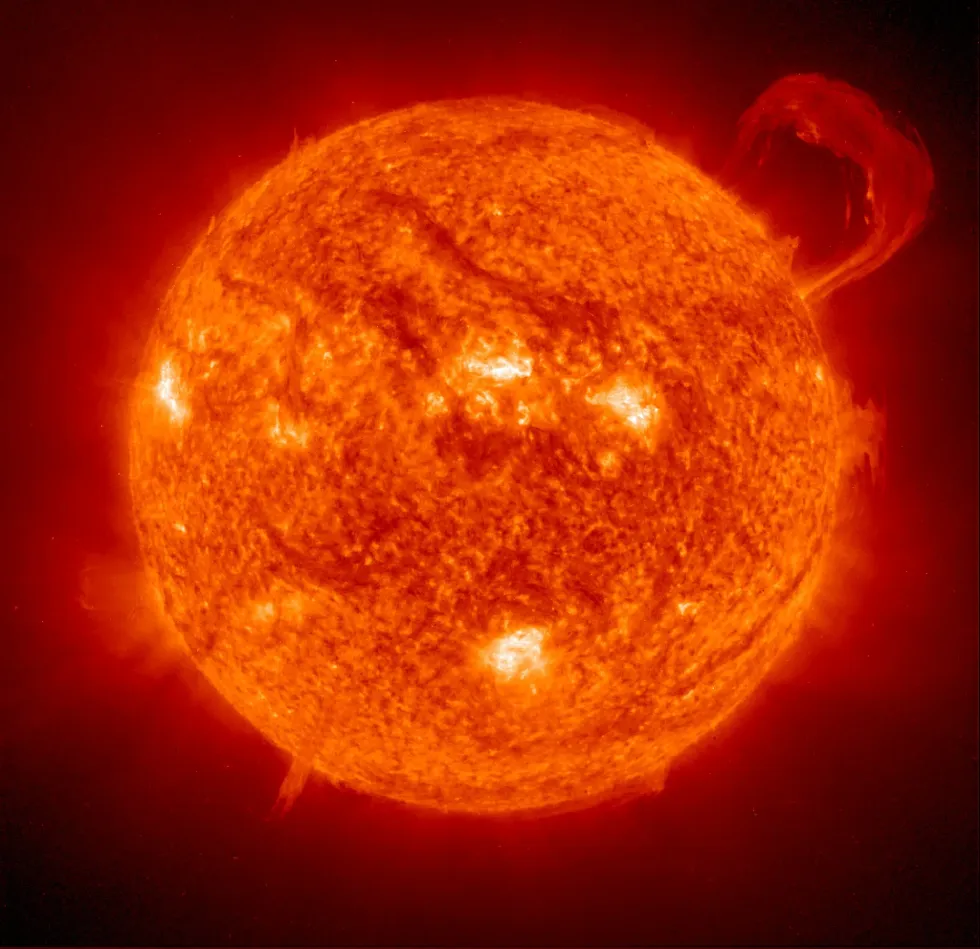
An X-class flare, the most powerful category of solar flare, triggered the coronal mass ejection that launched from the Sun on Sunday (file photo)
| NASADuring the May 2024 storm, agricultural equipment manufacturer John Deere reported GPS disruptions affecting customers who rely on precision farming technology.
These eruptions of plasma and magnetic fields from the Sun's outer atmosphere can significantly disturb Earth's magnetic field upon arrival.
An X-class flare, the most powerful category of solar flare, triggered the coronal mass ejection that launched from the Sun on Sunday.
It remains to be seen how it will impact us - but more than two decades ago, the Halloween space weather storms of October 2003 caused power failures in Sweden and damaged transformers in South Africa.