











The incoming Archbishop of Canterbury has mounted a robust defence of the Church of England's £100million slavery reparations fund.
Dame Sarah Mullally has rejected criticism from MPs and peers who branded "Project Spire" a "legally dubious vanity project" in a letter last month.
The 63-year-old, who will be confirmed as the 106th Archbishop at St Paul's Cathedral on January 28, insisted the initiative stems from sacred duty.
"Our calling to confront historic injustice and our commitment to sustaining parish life flow from the same gospel imperative: to love our neighbour as ourselves and enable all to flourish," she told parliamentarians.
The fund emerged following revelations that a substantial portion of the Church's £11.1billion assets can be traced to investments in companies with links to the transatlantic slave trade.
Much of this wealth originated from a donation made by Queen Anne in 1704, which the Church Commissioners have invested profitably over more than three centuries.
Dame Sarah described the £100million allocation as an act of "repentance" for these historic financial ties to the trade.
"The Church of England's historic links to African chattel enslavement are a serious matter, and it is right that they are approached with care, clarity and respect for the responsibilities entrusted to the church," she said.
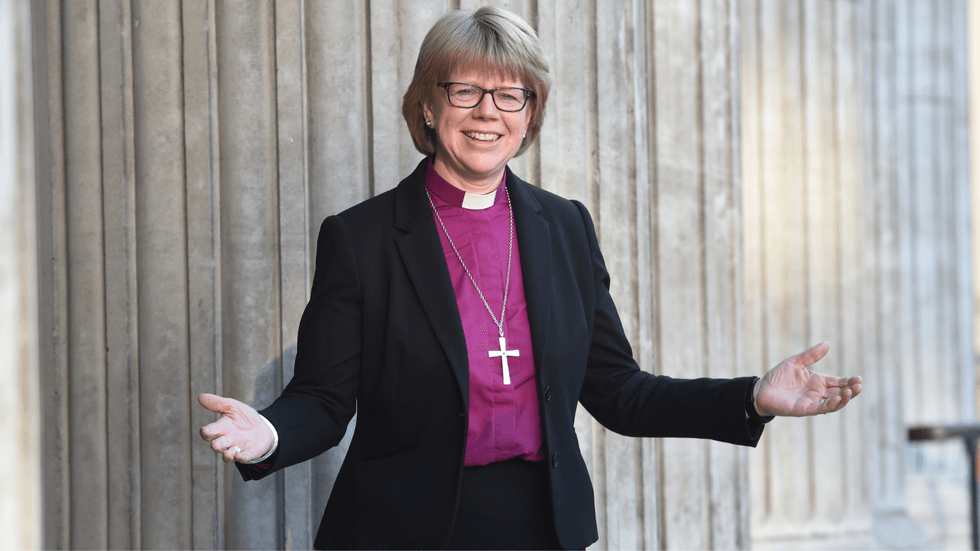
Dame Sarah described the £100million allocation as an act of 'repentance'
|GETTY
But the fund has long drawn the ire of critics on the right.
Just last week, Tory MP Katie Lam labelled it "divisive", pointed to how the slave trade was "hundreds of years ago and all the victims are long dead" and said it "embeds a narrative of victimhood that many black people rightly hate".
She also pointed to how Britain spent money, political capital, ships and the lives of Navy sailors to tackle slavery across the world, writing in The Critic magazine.
But Dame Sarah has insisted Project Spire will not starve local churches of resources.
"Project Spire does not diminish the church's support of or investment in parish ministry or clergy," she said.
'WOKE MADNESS' - READ THE LATEST:
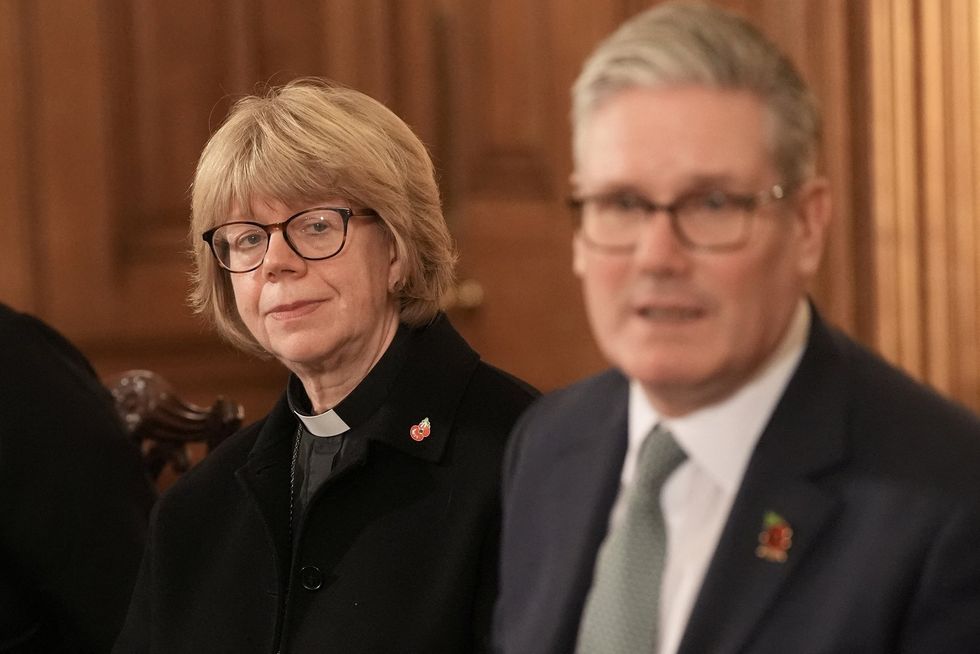
The incoming Archbishop insisted to MPs that the initiative stems from religious duty
|GETTY
"Far from it; the Church Commissioners' support for dioceses and parishes continues to increase."
Funding for parishes and clergy has more than doubled over recent years, rising from £790million in 2019 to £1.6billion for the current three-year period.
The Church Commissioners have argued Project Spire falls within the institution's five official "marks of mission," the fourth of which calls upon the Church to "transform unjust structures of society".
They also claimed that understanding the connection between present-day wealth and historic slave-trading investments constitutes responsible asset ownership.
The latest twist in the Project Spire row comes after a study revealed that six in 10 Anglican churchgoers would divert their donations elsewhere if Church funds were allocated to the reparations.
The poll, conducted by Merlin Strategy among 500 practising worshippers, found overwhelming support for prioritising local parishes instead.
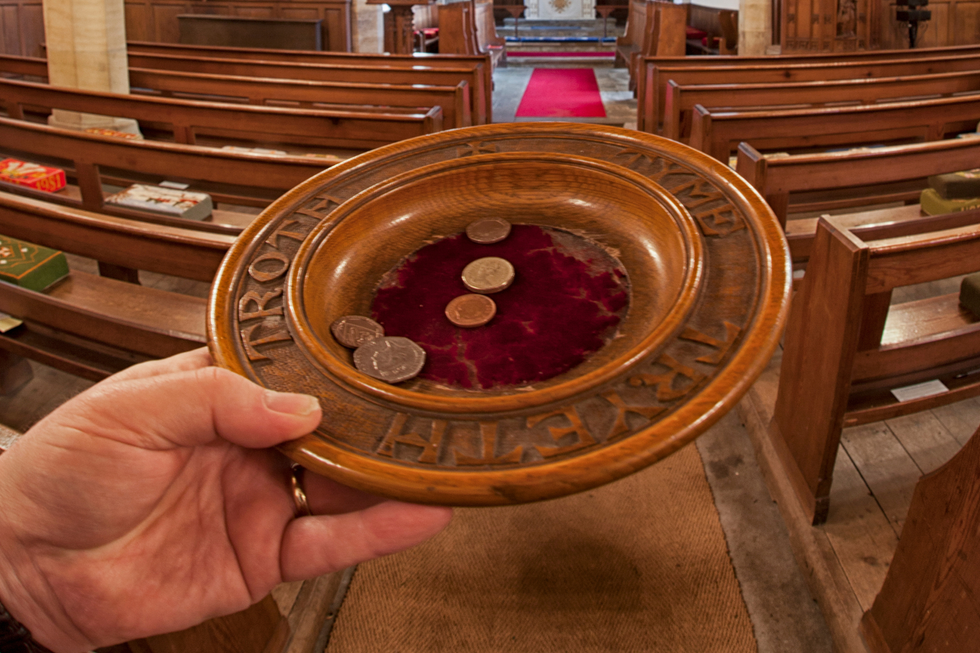 Some 81 per cent of respondents said Church money should go to their local congregations rather than fund reparations | GETTY
Some 81 per cent of respondents said Church money should benefit local congregations rather than fund slavery payouts.
When asked about spending priorities, 71 per cent favoured building repairs and maintenance, while 48 per cent supported funding regular services.
Training and recruiting parish clergy was backed by 41 per cent of those surveyed.
Only 24 per cent believed historic "injustice" reparations should take precedence.
The scheme was initially endorsed by the disgraced ex-Archbishop of Canterbury Justin Welby.
More From GB News