










A geological puzzle which has baffled scientists since the 1800s may finally have an answer.
Across the globe, roughly one billion years of rock layers are absent from the geological record.
This phenomenon, dubbed the "Great Unconformity," is especially visible at the Grand Canyon.
The missing strata sit between Cambrian and Precambrian rocks, representing a vast gap in Earth's 4.6-billion-year history.
For generations, researchers have sought to explain what caused this enormous chunk of planetary history to vanish from the rock record beneath our feet.
Until now, two leading theories had emerged to explain the vanished rock.
The first suspect was a "Snowball Earth," a period roughly 700 million years ago when extreme global cold may have carved away these layers through intense geological forces.
The second possibility involved the supercontinent Rodinia, which formed approximately one billion years ago.
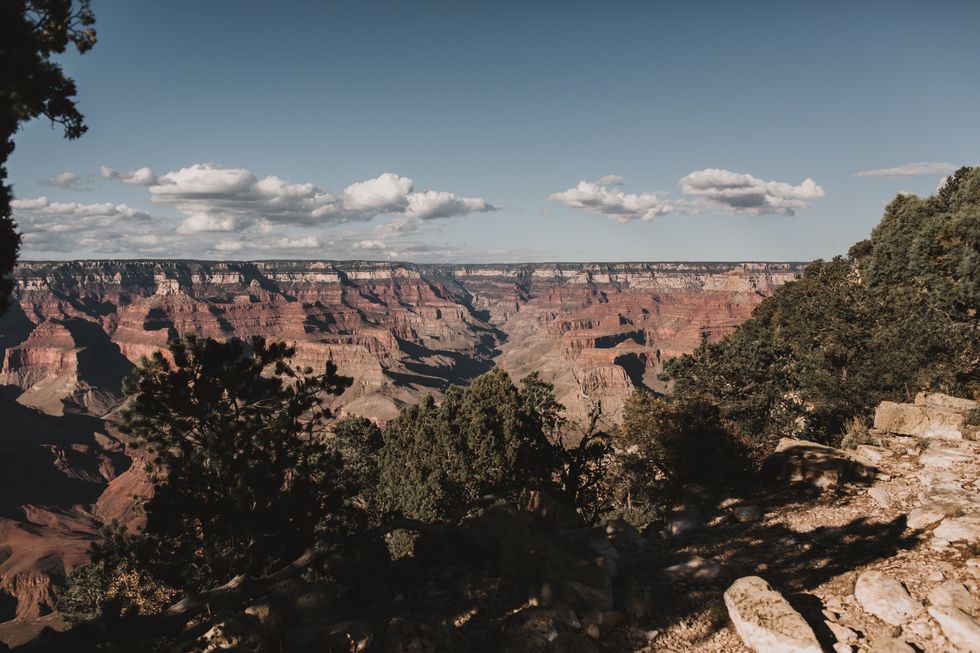
The 'Great Unconformity' is especially visible at the Grand Canyon
| PEXELSScientists believed Rodinia's formation lifted ancient rocks upward, leaving them exposed to weathering that gradually wore them away.
Both explanations seemed plausible, yet neither could be definitively proven.
Now, an international research team claims to have solved the riddle by examining five sites in North China where the Great Unconformity is also visible.
Their findings, published in the journal Proceedings of the National Academy of Sciences, point to a far older culprit.
SCIENCE BREAKTHROUGHS - READ MORE:
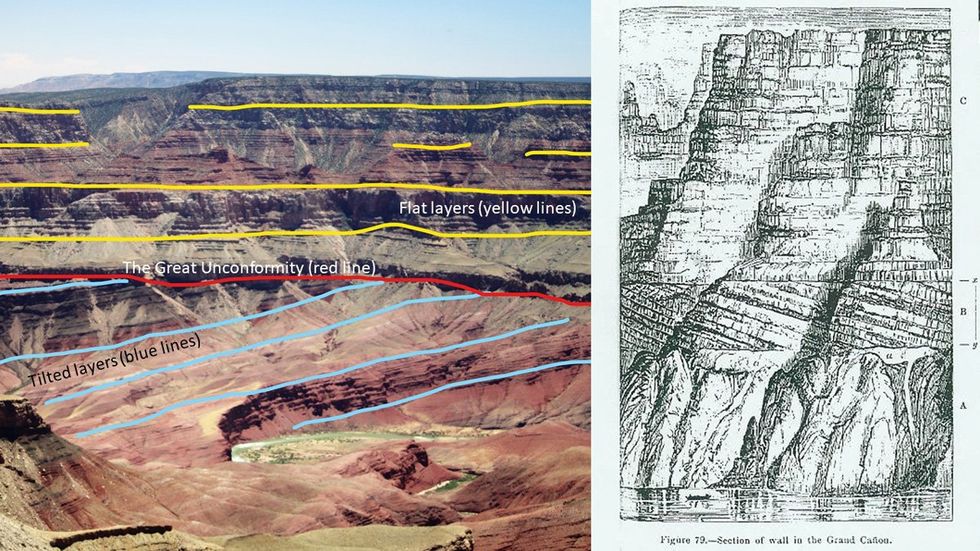
Across the globe, roughly one billion years of rock layers are absent from the geological record
|EOS
By analysing radioactive elements in rocks on the older side of the unconformity divide, the team determined how much time had passed since the rocks cooled to a certain temperature.
The results revealed that most erosion happened long before either Snowball Earth or Rodinia existed.
Instead, the evidence points to Columbia, Earth's first true supercontinent, which formed around two billion years ago.
"The most pronounced erosion evident in both the thermochronologic record and geochemical indicators of continental weathering is shown to correspond with development of Earth's first true supercontinent," the authors write.
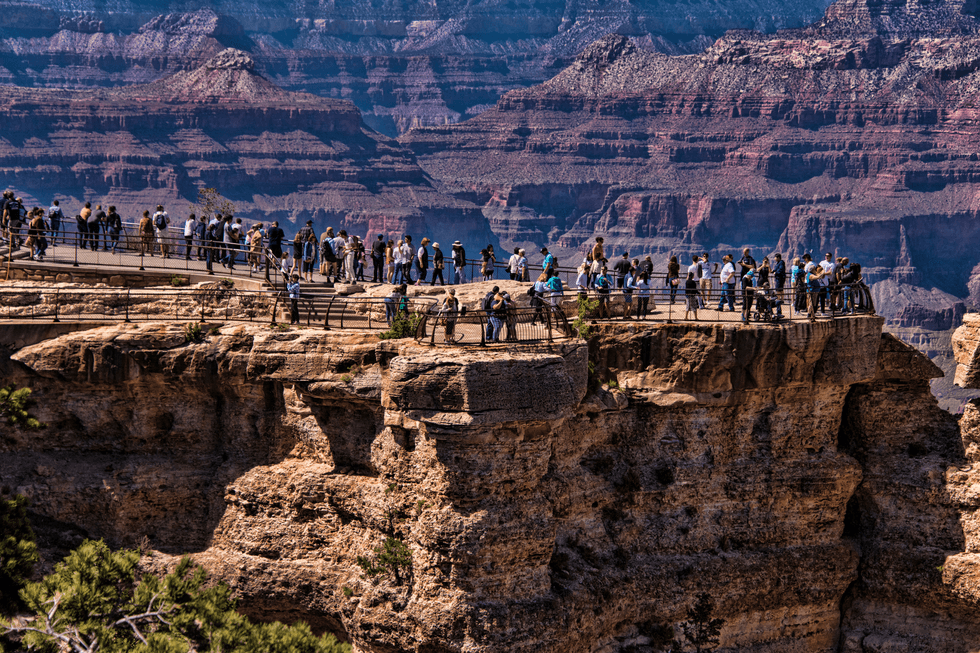
For generations, researchers have sought to explain what caused this enormous chunk of planetary history to vanish from the face of the Earth
|GETTY
Lead author Liang Duan of Northwest University told Science that while Snowball Earth and Rodinia may have contributed somewhat, they are not the primary reason a billion years of rock disappeared.
This conclusion creates fresh complications for existing theories.
Previous research had linked the Great Unconformity to a massive erosion event that flooded oceans with nutrients and minerals, potentially triggering the Cambrian Explosion around 540 million years ago.
The new timeline challenges that narrative considerably.
The data suggest major erosion occurred during what scientists call the "Boring Billion"—a stretch from 1.8 to 0.8 billion years ago considered geologically uneventful.