










Sperm whale clicks are among the closest parallels to human language ever identified in the animal kingdom, a groundbreaking study has found.
Researchers from Project Ceti said the sounds - known as codas - represent “one of the closest parallels to human phonology of any analysed animal communication system".
The findings, published in Proceedings of the Royal Society B, suggest the vocalisations are far more structured and sophisticated than previously thought.
Unlike the melodic songs of humpback whales, sperm whales communicate through rhythmic clicking patterns - which scientists now say follow recognisable rules rather than random sequences.
The study found these codas contain two distinct vowel categories, described as a-vowels and i-vowels, which can shift in pitch and combine to form diphthong-like sounds within a single syllable.
These patterns show striking similarities to tonal features found in human languages such as Mandarin and Slovenian.
The researchers noted: “We demonstrate that sperm whale codas not only resemble human vowels acoustically but also pattern like them.
They added that these patterns “have close parallels in the phonetics and phonology of human languages, suggesting independent evolution".
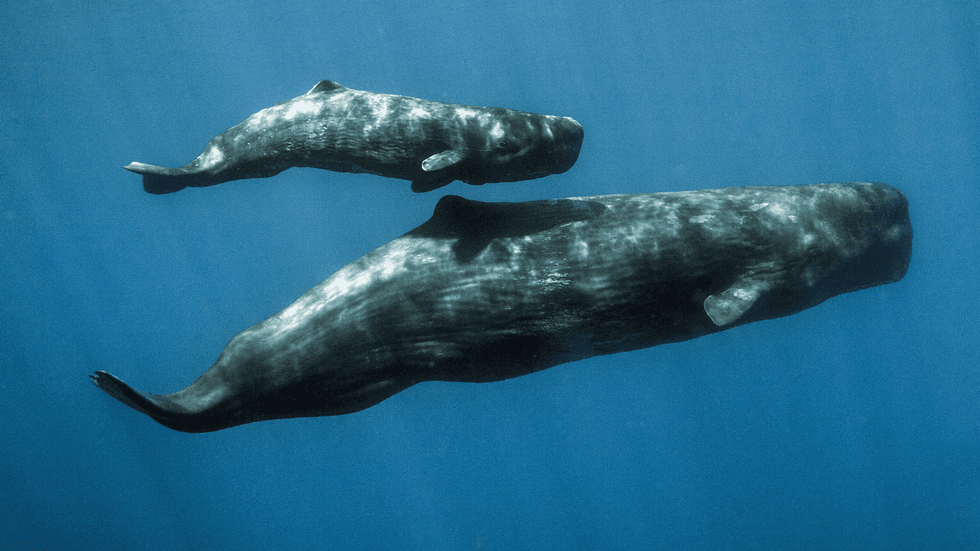
Sperm whales communicate through rhythmic clicking patterns
|GETTY
Rather than acting as a simple timing system like Morse code, the clicks form complex combinations more akin to spoken language.
The discovery is particularly notable given humans and whales diverged from a common ancestor around 90 million years ago.
Whales later evolved from land mammals that returned to the ocean roughly 50 million years ago - making the emergence of similar vocal systems especially striking.
The researchers said the similarities point to the independent evolution of complex communication systems in both species.
SCIENCE - READ THE LATEST:
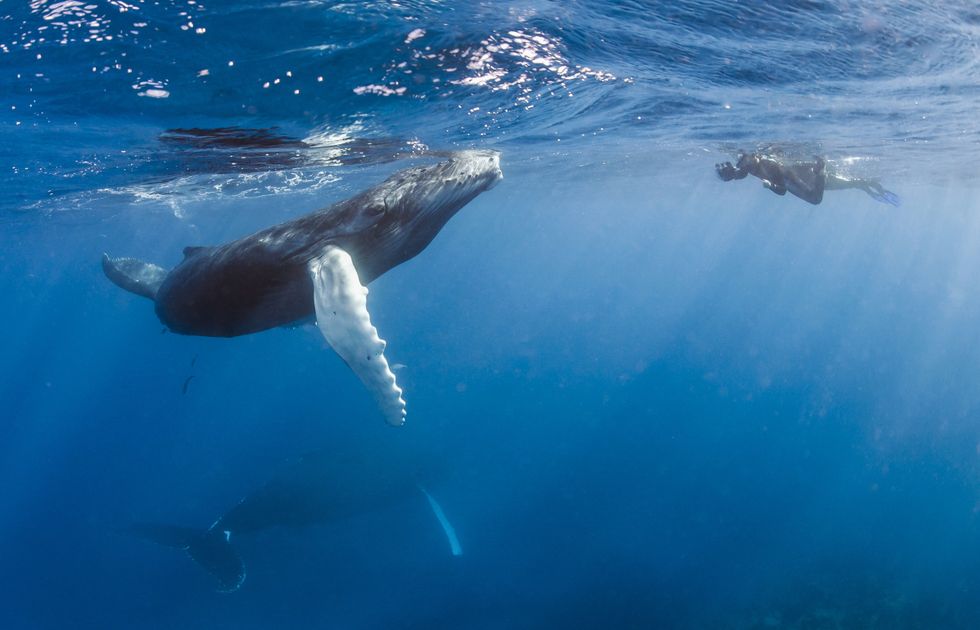
Humans and whales diverged from a common ancestor around 90 million years ago
|GETTY
Both humans and whales share ancestry within the Boreoeutheria group of placental mammals, but developed these features along entirely separate evolutionary paths.
Despite the breakthrough, scientists have not yet been able to decode what the whales are actually saying.
“We have not demonstrated that the contrasts encoded by whale codas are meaningful, but the patterns we discuss are highly suggestive that they are,” the study said.
The research also found sperm whale groups display regional “accents” and vary the speed of their communication - echoing patterns seen in human speech.
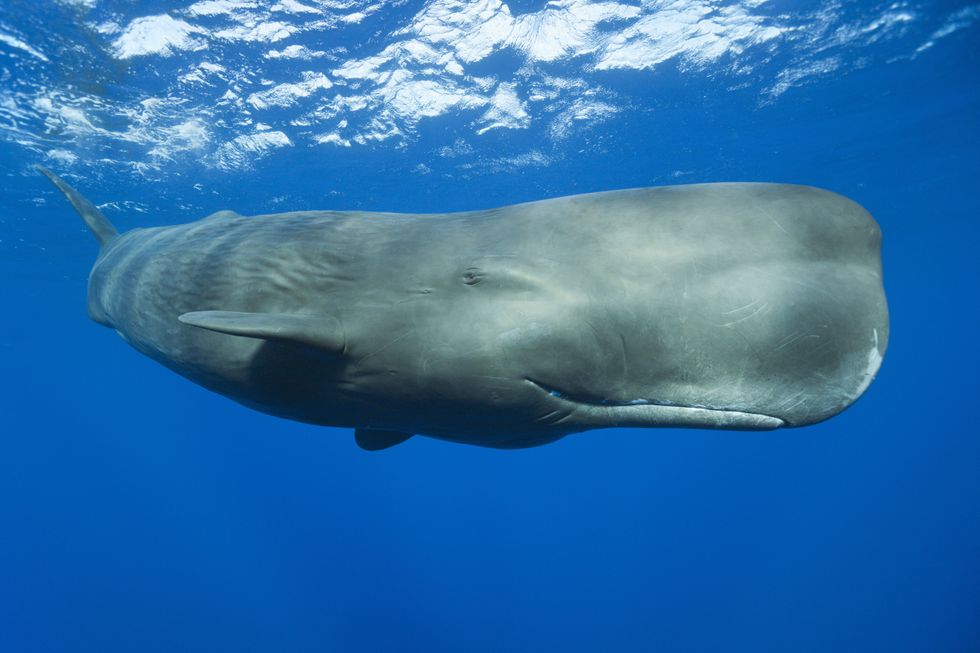
Scientists have not yet been able to decode what the whales are actually saying
|GETTY
While translation remains out of reach, researchers believe the sounds carry genuine meaning between the animals.
Sperm whales are the world’s largest toothed predators, growing up to 62 feet in length.
They are also among the deepest-diving animals, regularly descending to depths of up to 2,000 metres to hunt squid, skates and fish.
They possess the largest brain of any animal ever known, weighing more than five times that of a human.
Our Standards: The GB News Editorial Charter