






Novak Djokovic has spent two decades proving that the rules do not apply to him.
When rivals faded, Djokovic endured. When younger challengers emerged, Djokovic adapted. When the sport appeared ready to move on, Djokovic found another way to remain at the summit.
That is what made Friday night's defeat to Joao Fonseca feel so significant.
The 24-time Grand Slam champion has suffered painful losses before. He has lost major finals, squandered opportunities and endured difficult periods.
Yet this felt different. This felt less like an upset and more like a reminder that even the greatest careers eventually run into an opponent that cannot be defeated.
Time.
For more than four hours on Court Philippe-Chatrier, Djokovic battled bravely against one of the brightest talents in world tennis.
The Serbian appeared firmly on course for a place in the fourth round after taking a two-set lead against 19-year-old Fonseca.
Then the momentum shifted.
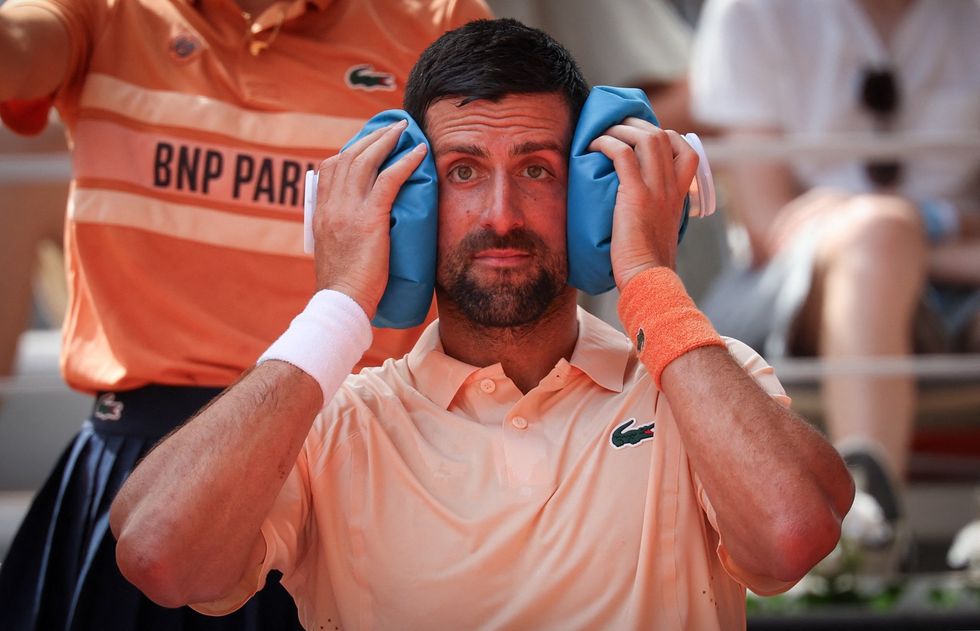
Novak Djokovic is no longer at the peak of his powers at the age of 39, as his French Open exit proves
|GETTY
Fonseca began swinging freely. Djokovic began slowing down. The longer the match continued, the clearer the contrast became between a teenager playing without fear and a 39-year-old fighting against both an opponent and his own body.
By the final set, Djokovic looked exhausted.
The movement was no longer as sharp. The recovery between points appeared slower. The physical edge that has defined so much of his success was beginning to fade.
When the final point was played and Fonseca completed an astonishing comeback, the significance stretched far beyond a single defeat.
Djokovic later admitted he had reached the limit physically.
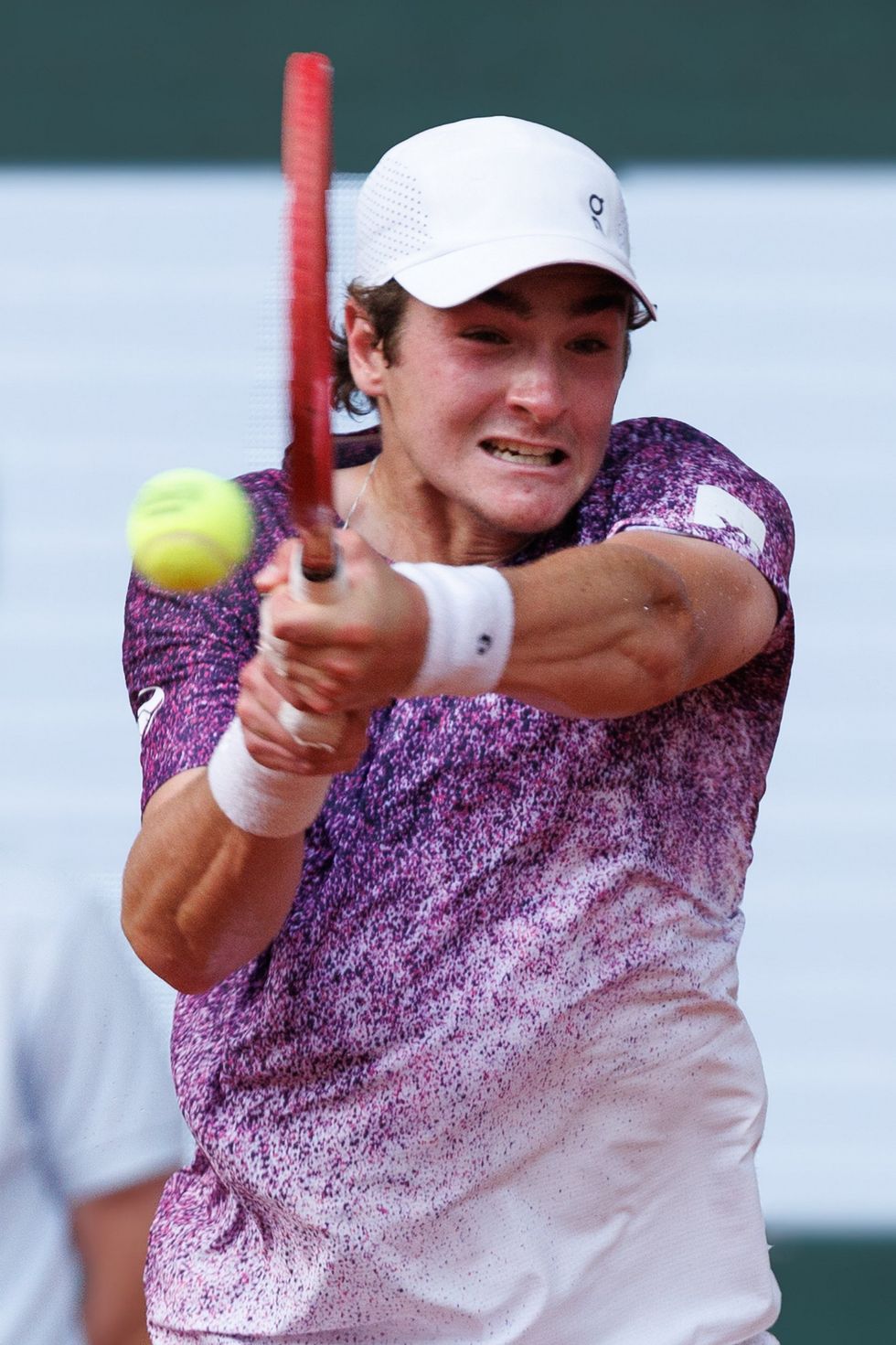 Joao Fonseca stunned Novak Djokovic at the French Open on Friday | GETTY
"There were a couple of times where I felt like I was barely standing on my legs towards the end of the match," he said.
It was a striking admission from a player whose fitness has often been regarded as one of the greatest weapons the sport has ever seen.
Throughout his career, Djokovic has built a reputation as the man who simply would not break.
Roger Federer discovered that reality. Rafael Nadal experienced it repeatedly. Andy Murray spent years battling against it.
Even the new generation, led by Carlos Alcaraz and Jannik Sinner, have often found themselves frustrated by Djokovic's refusal to surrender.
LATEST SPORTS NEWS:
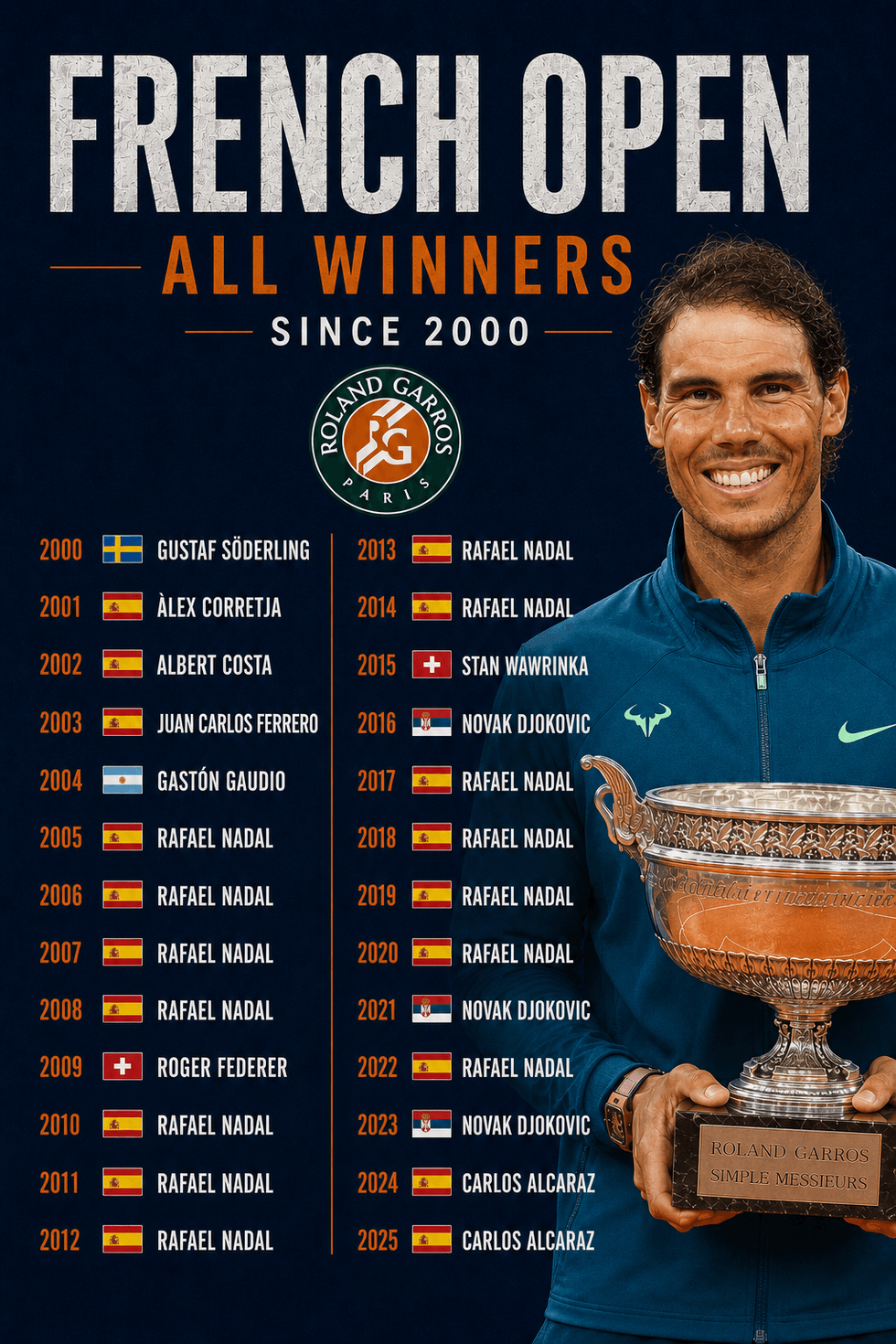 French Open winners since 2000 | GETTY/GB NEWS
Yet no athlete remains untouched forever.
Friday's defeat represented Djokovic's second third round Grand Slam exit in three years and arrived at a tournament where he has built some of the most memorable moments of his career.
Perhaps most tellingly, it was not simply the loss that sparked questions about the future.
It was the uncertainty that followed.
Asked whether he expected to return to Roland Garros next year, Djokovic offered a response that would have been almost unthinkable a few years ago.
"I don't know," he said.
The same answer came when he was asked if Friday could prove to be his final appearance at the French Open.
For a player who has always spoken with conviction about extending his career, the hesitation was impossible to ignore.
That, of course, does not mean retirement is imminent.
Djokovic remains ranked among the world's best players. The pursuit of a record-extending 25th Grand Slam title continues. The Olympic Games in Los Angeles in 2028 remain a potential target.
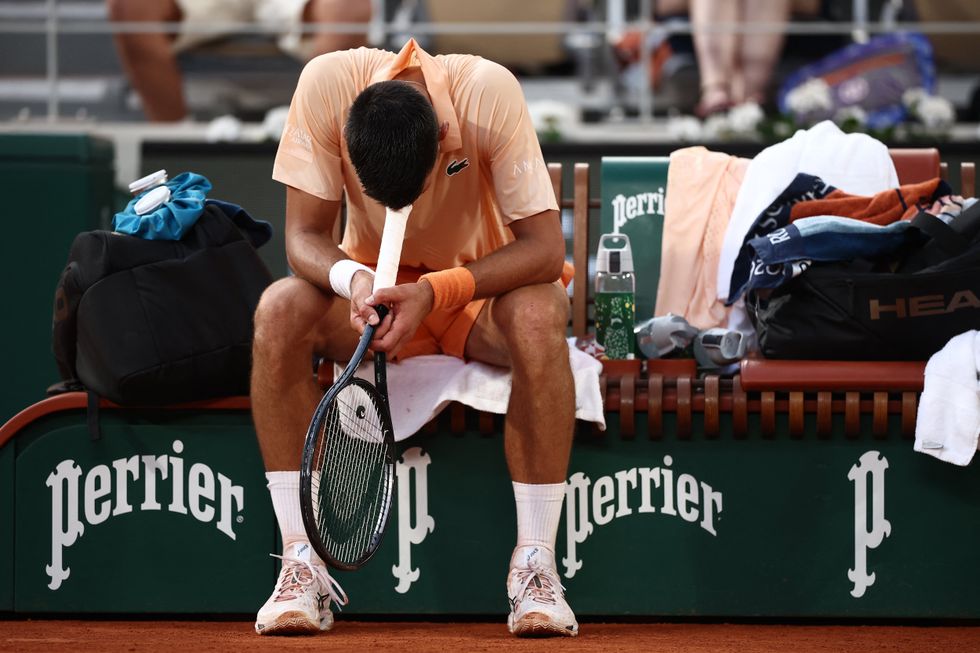 Novak Djokovic is out of the French Open | REUTERS
But reality is becoming increasingly difficult to avoid.
The sport is changing. Alcaraz, Sinner and now Fonseca represent a new generation capable of matching the physical demands that once separated Djokovic from everyone else.
The margins are becoming thinner. Recovery takes longer. The challenge grows greater with each passing season.
None of that diminishes what Djokovic has achieved.
His place in tennis history was secured long ago. The records, the trophies and the longevity have already established one of the greatest sporting careers ever witnessed.
But every era ends eventually.
For years, Djokovic found a way to beat everybody placed in front of him.
The one opponent nobody conquers forever, however, is the clock.
And after Friday night's heartbreaking defeat in Paris, that battle appears harder than ever to win.