










Nasa has uncovered new samples from Mars that could point to life on the planet.
The agency's Curiosity rover has made a potentially groundbreaking discovery, uncovering chemical compounds that scientists regard as fundamental building blocks for the emergence of life.
The robotic explorer, which has spent more than 10 years investigating the Red Planet's surface, performed an unprecedented chemical analysis never before attempted on another planet.
Results from this pioneering experiment demonstrate that the Martian terrain possesses the capacity to preserve molecular signatures that may indicate ancient biological activity.
TRENDING
Stories
Videos
Your Say
The findings represent a significant step forward in humanity's quest to determine whether life ever existed beyond Earth.
Nevertheless, researchers acknowledge they cannot yet establish the origin of these chemicals.
They confirmed any evidence of past life would require returning rock samples to Earth for comprehensive laboratory examination.
The experiment detected over 20 distinct chemical compounds, with one discovery particularly exciting the scientific community.
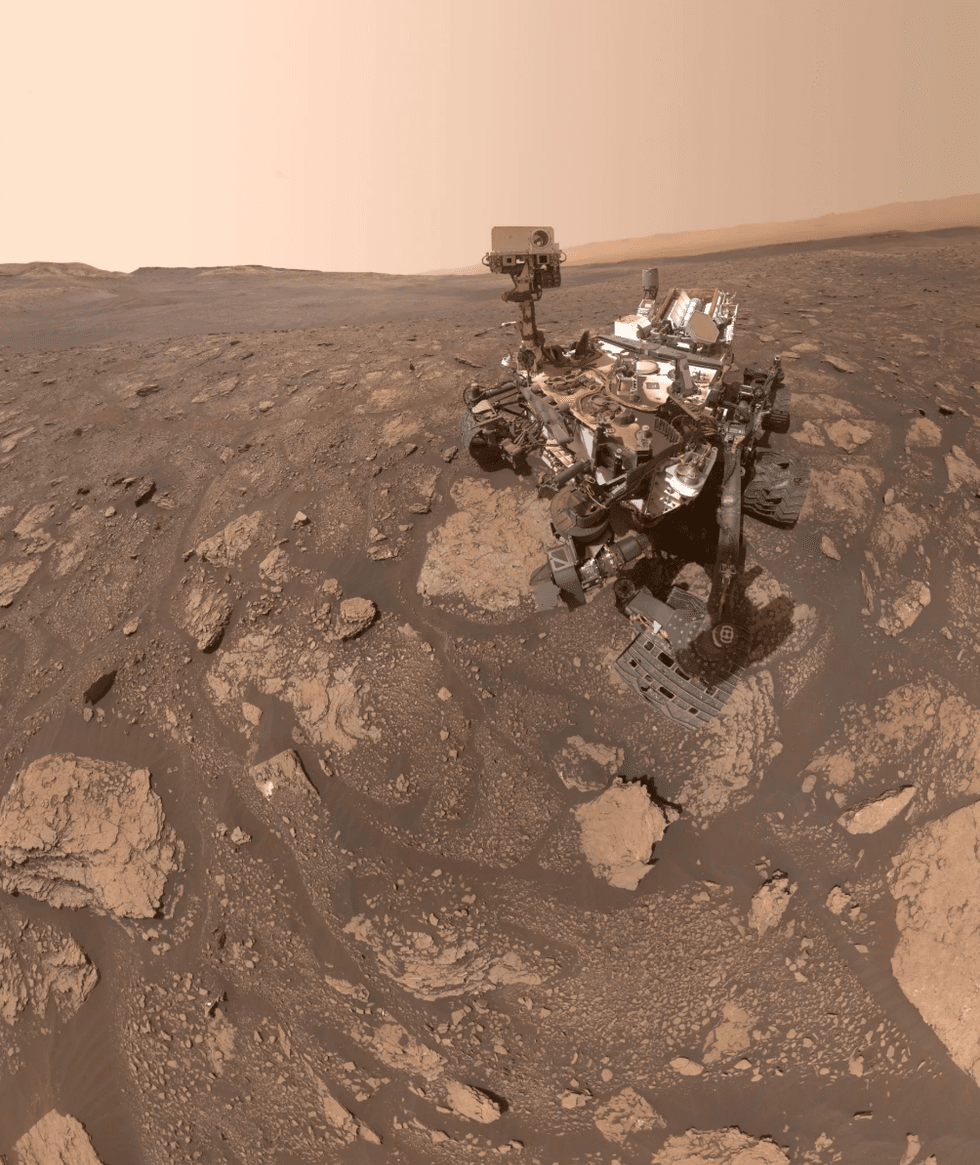
Nasa's Curiosity rover has found signs there may be life on Mars
|NASA
This molecule contains nitrogen and bears a structural resemblance to the precursors of DNA, making it especially intriguing for researchers studying life's potential origins.
Additionally, the rover identified benzothiophene, a substance typically delivered to planetary surfaces via meteorite impacts.
These findings mark its first detection on Mars.
"We think we're looking at organic matter that's been preserved on Mars for 3.5 billion years," said Professor Amy Williams, from the University of Florida, who works on both the Curiosity and Perseverance rover missions.
LATEST DEVELOPMENTS
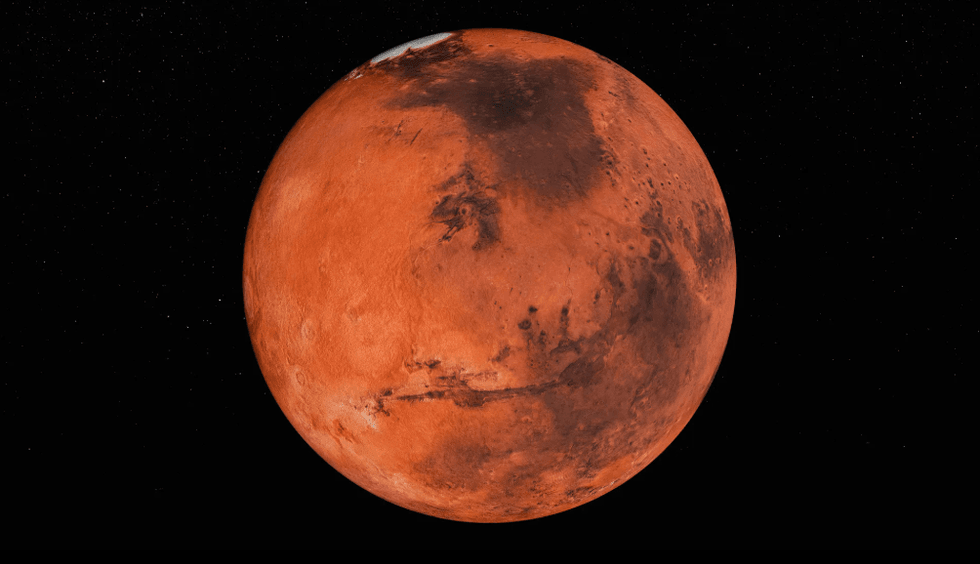
The samples would need to be returned to Earth to make further discoveries
|GETTY
"The same stuff that rained down on Mars from meteorites is what rained down on Earth," Professor Williams added.
"It probably provided the building blocks for life as we know it on our planet."
Professor Williams emphasised the broader implications of these findings for understanding whether Mars could once have supported life.
"It's really useful to have evidence that ancient organic matter is preserved, because that is a way to assess the habitability of an environment," she explained.
"And if we want to search for evidence of life in the form of preserved organic carbon, this demonstrates it's possible."
The researcher noted that scientists now have confirmation of substantial complex organic compounds existing within Mars's shallow subsurface.
It offers considerable promise for discovering larger molecules that could definitively indicate biological processes.
These discoveries have been detailed in a paper published in the journal Nature Communications, adding to the growing body of evidence suggesting the Red Planet may once have harboured conditions suitable for life.
Our Standards: The GB News Editorial Charter