





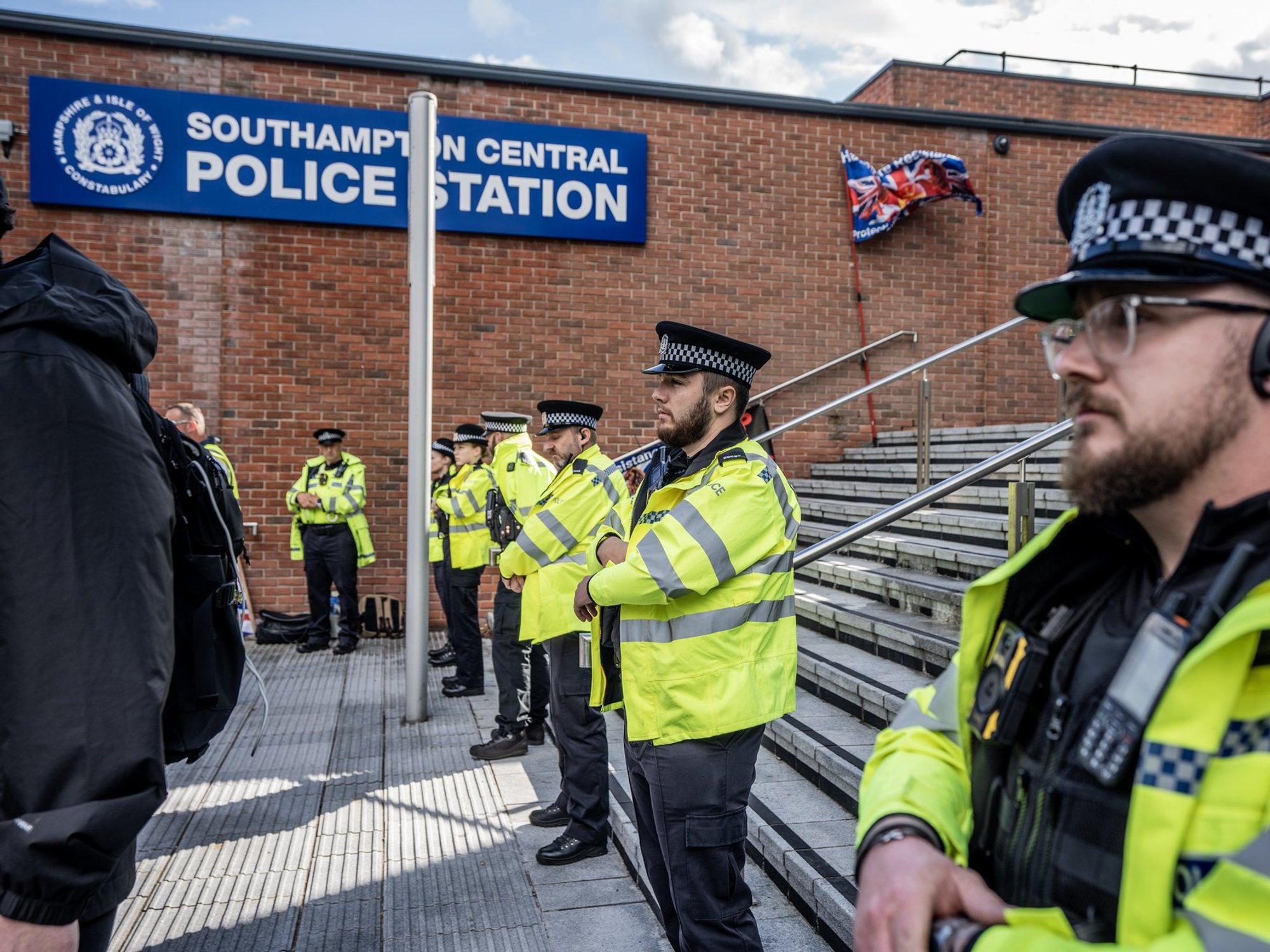




Britons are set to be treated to a space spectacle this week as the Lyrid Meteor Shower lights up moonless night skies.
Tuesday night will offer British stargazers their finest opportunity to witness the shower, with forecasters predicting clear conditions across much of the country and up to 20 shooting stars visible every hour.
The annual celestial display reaches its peak on Wednesday, making the overnight period from Tuesday into Wednesday morning ideal for catching the spring spectacle.
Favourable lunar conditions have aligned perfectly with the shower's arrival.
The new moon came just days ago, meaning the thin crescent will dip below the horizon before dawn on Wednesday and again before the meteors become visible that evening.
This absence of moonlight creates exceptionally dark skies, allowing even fainter meteors to stand out clearly.
According to the Met Office, weather conditions will cooperate for most observers.
A spokesman said: "The chance for clear skies improves further tomorrow night, with much of England and Wales likely to be cloud-free, however high-level cloud will affect the far South West.
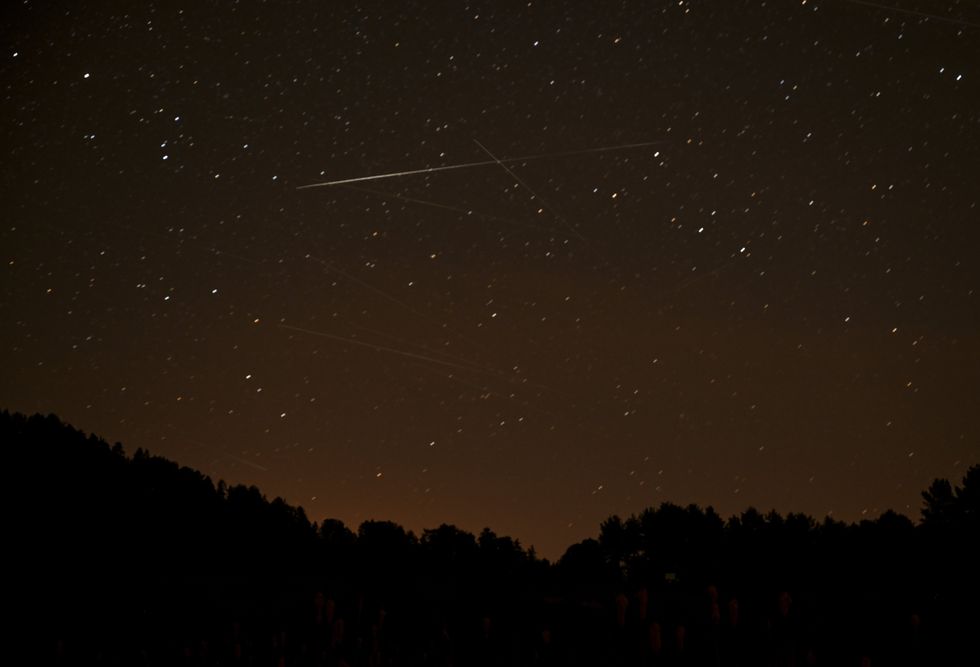
This absence of moonlight creates exceptionally dark skies, allowing even fainter meteors to stand out
|GETTY
"Further north, cloud will thicken across Scotland and northeast England overnight Tuesday, limiting the chances here significantly,."
Wednesday night appears considerably less favourable, with high-level cloud expected to spread across Britain, making tonight the prime viewing window.
The science behind this annual light show involves Earth's journey through cosmic debris.
Our planet passes through a field of rocky particles orbiting the sun, collecting these tiny fragments much like insects striking a vehicle's windscreen.
SPACE - READ THE LATEST:
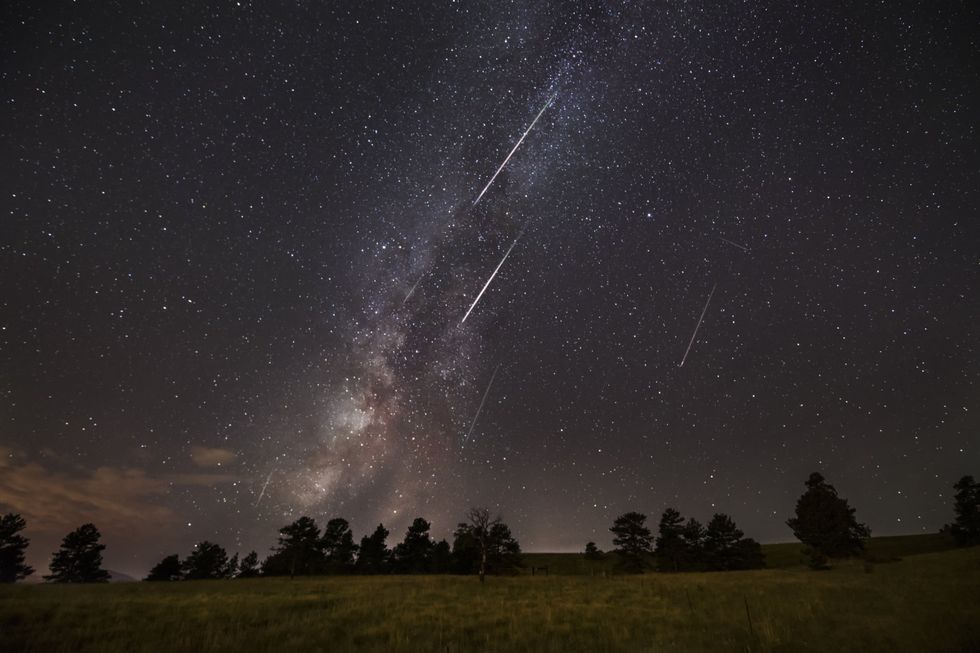
The science behind this annual light show involves Earth's journey through cosmic debris
|GETTY
These particles slam into our atmosphere at extraordinary velocities reaching 31 miles per second.
The resulting friction generates temperatures of around 1,600C - instantly vaporising the rocky material and producing the brilliant streaks we see.
The debris trail maintains its position along Earth's orbital path, ensuring the shower peaks reliably at the same time every year.
For optimal viewing, observers should wait until after midnight when darkness is complete and our planet has rotated to face the incoming particle stream.
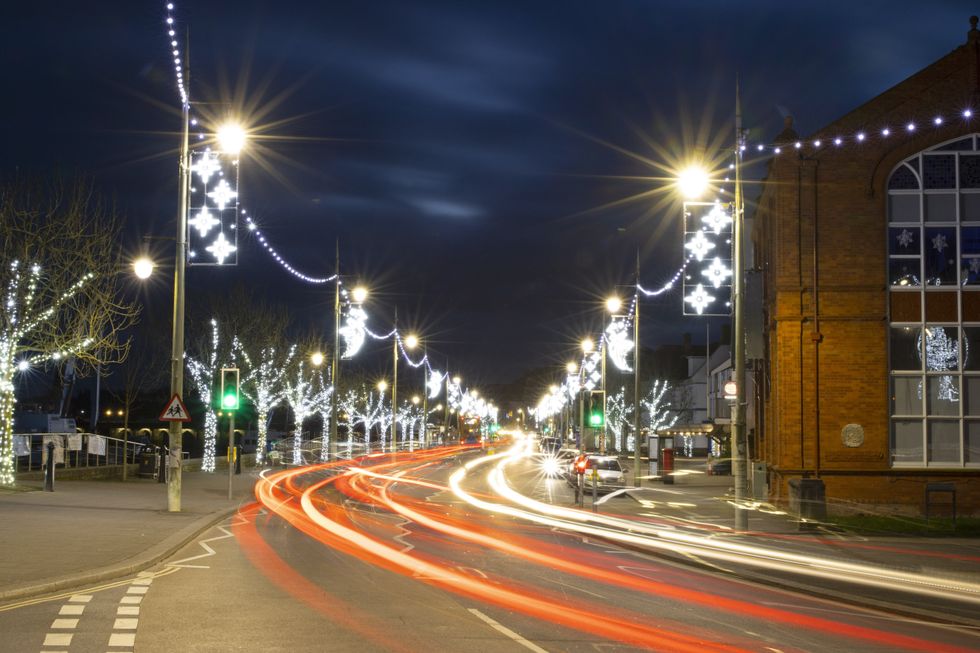
Britons have been advised to stay away from artificial lights for the best possible view
|GETTY
Finding a location away from artificial lighting is essential - street lamps, house lights and vehicle headlights all diminish visibility of these celestial visitors.
Patience is equally important as eyes require between 20 and 30 minutes to fully adapt to darkness, so avoiding torches and mobile phone screens during this adjustment period is crucial.
Telescopes and binoculars actually hinder meteor watching, as the shooting stars appear randomly across the entire sky and move too swiftly for magnified viewing.
Keen observers might also spot early arrivals from the Eta Aquariids, another shower that overlaps with the Lyrids.
Associated with Halley's Comet, this display appears low on the horizon and can produce up to 40 meteors hourly at its maximum.
Our Standards: The GB News Editorial Charter