









Researchers have uncovered three long-extinct creatures preserved within fossilised tree resin that once belonged to the celebrated German writer Johann Wolfgang von Goethe.
The amber, dating back approximately 40 million years, contained a fungus gnat, a black fly, and most remarkably, an ant in extraordinary condition.
The ant specimen, belonging to the extinct species Ctenobethylus goepperti, represents the finest example of its kind ever discovered.
Its preservation is so exceptional that individual hairs remain visible and intact on the creature's body.
Scientists say the specimen allows them to examine the ancient insect in unprecedented detail.
Mr Goethe, who lived from 1749 to 1832, is widely regarded as the most significant writer in the German language.
Beyond his literary achievements, scientists describe him as a "polymathic poet, statesman, and naturalist" with broad intellectual interests.
His personal collection comprised roughly 40 amber pieces, the majority sourced from the Baltic Sea region.
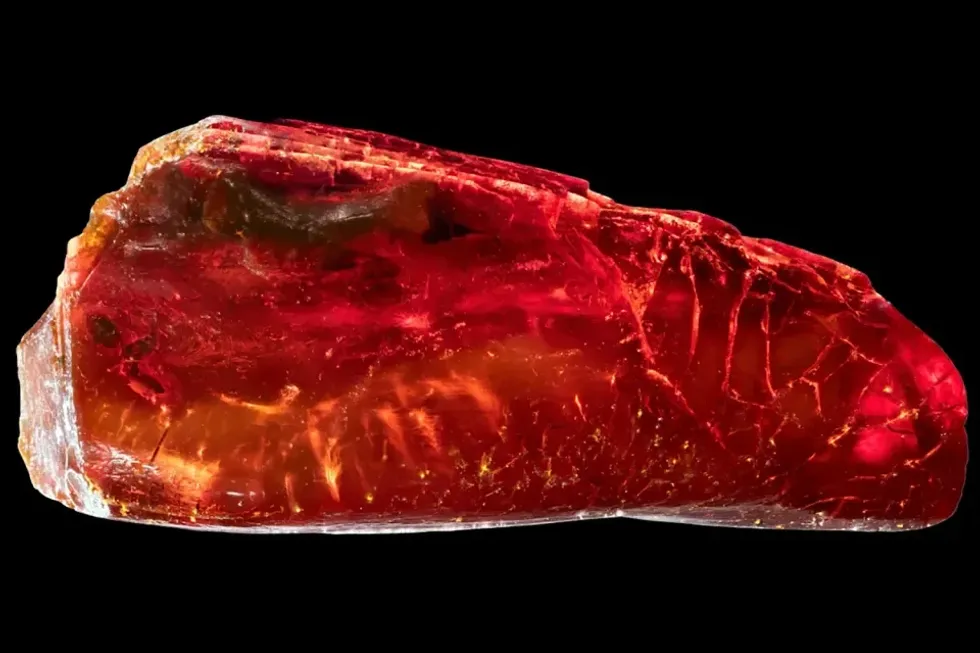
The amber belonging to the German scientist dates back approximately 40 million years
|FRIEDRICH SCHILER UNIVERSITY JENA
These specimens are ordinarily kept at the Goethe National Museum in Weimar, Germany, but were made accessible to researchers for this investigation.
Whether Mr Goethe himself was aware of the ancient life forms encased within his amber remains uncertain, as he never recorded any observations about them.
The study of amber-encased organisms only began towards the end of Mr Goethe's lifetime, making it probable he never realised what treasures his collection held.
Using modern imaging techniques, the research team produced remarkably detailed three-dimensional images of the ant, revealing not only the fine hairs covering its body but also structures within its head and thorax.
SCIENCE - READ THE LATEST:
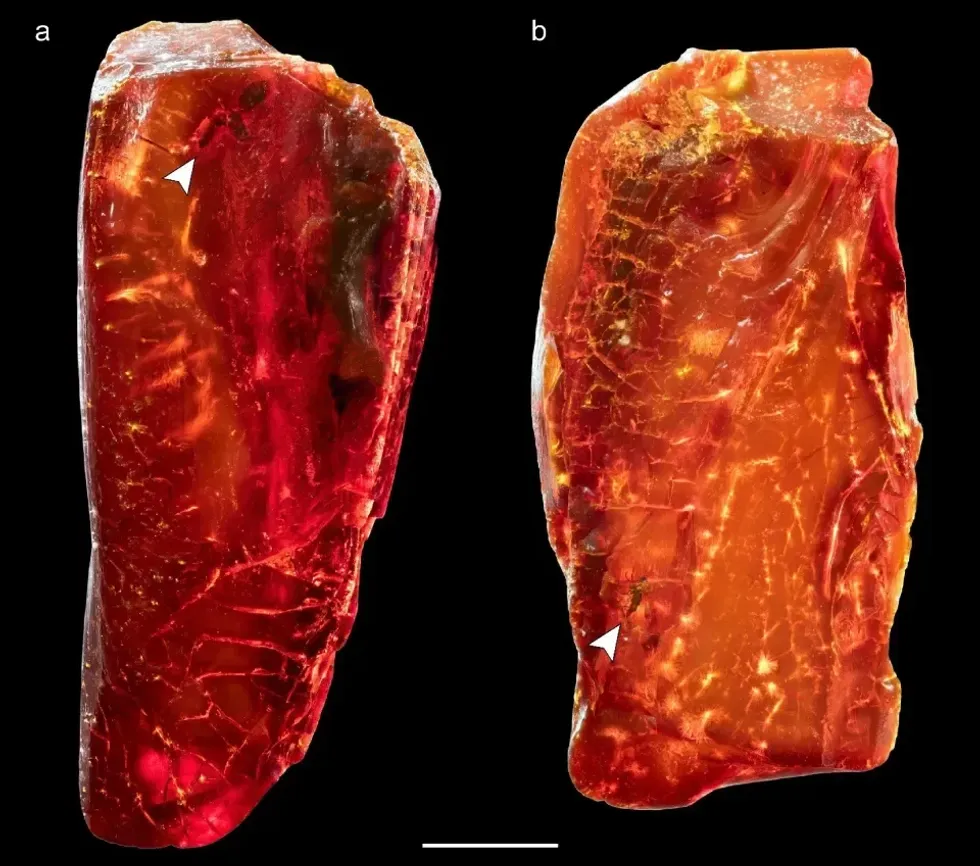
The specimen contained a fungus gnat, a black fly, and an ant
|GETTY
Such internal examination of a fossil ant is exceptionally rare, as these features typically deteriorate during fossilisation.
"Amber can preserve biological structure at unparalleled fidelity," said lead author Brendon Boudinot, of Friedrich Schiller University Jena in Germany.
Scientists noted these internal structures have "never been documented" in fossil ants from the Cenozoic era.
The Cenozoic era spans from 66 million years ago to the present day, making this documentation particularly significant for understanding ancient insect anatomy.
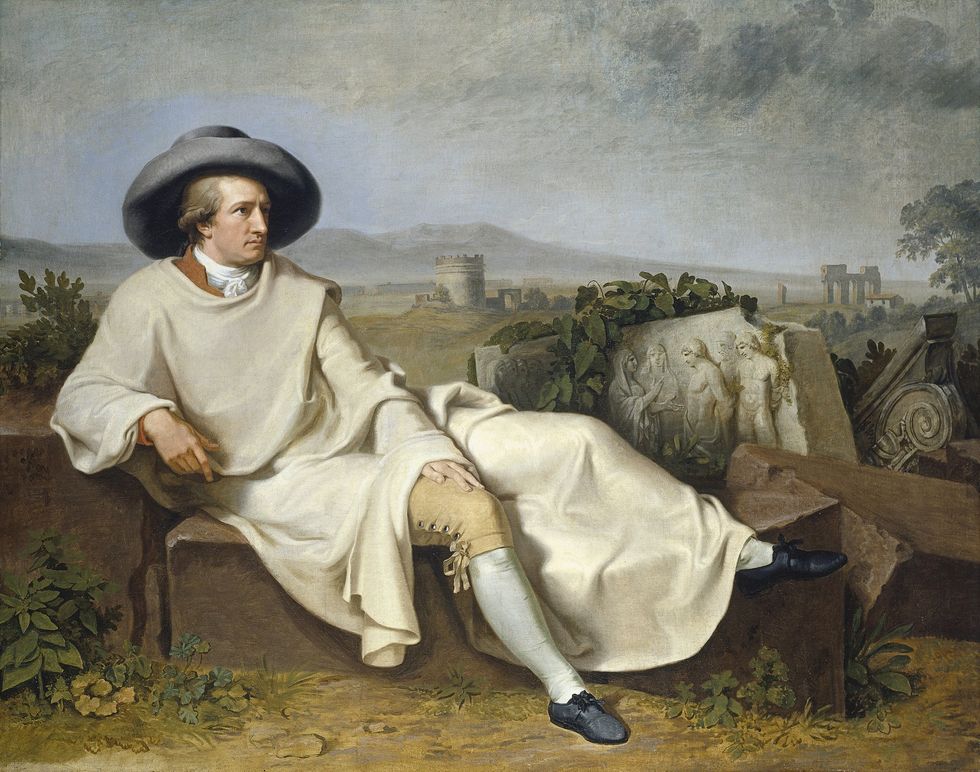
Whether Mr Goethe himself was aware of the ancient life forms encased within his amber remains uncertain
|GETTY
Researchers identified the specimen as a worker ant, noting its strong jaws were likely adapted for digging or boring through wood.
The extinct Ctenobethylus goepperti bears resemblance to Liometopum, a genus of ants still found today.
"And the Goethe collection, preserved through cultural significance rather than scientific design, has now yielded new insights through modern imaging," Mr Boudinot added.
The findings have been published in the journal Scientific Reports.
Our Standards: The GB News Editorial Charter