










A major American study tracking more than 88,000 adults has found that people who drink heavily throughout their lives could face nearly double the risk of developing colorectal cancer.
The research, which followed participants over two decades, showed particularly strong links between sustained heavy alcohol consumption and rectal tumours.
The data also suggests that giving up alcohol can make a genuine difference, with former moderate-to-heavy drinkers showing similar cancer risk levels to those who've always been light drinkers.
Those who averaged 14 or more drinks weekly over their lifetime had a 25 per cent higher chance of developing colorectal cancer compared to people who stuck to one drink or fewer per week.
TRENDING
Stories
Videos
Your Say

Consistent heavy drinkers face the starkest odds
|GETTY
When it came to rectal cancer specifically, the risk nearly doubled.
"This finding is timely because we are seeing increasing rates of colorectal cancer among younger people, and that increase has been driven predominantly by rectal tumours," said Erikka Loftfield, Earl Stadtman Investigator in the NCI's Metabolic Epidemiology Branch.
Consistent heavy drinkers faced the starkest odds, with their colorectal cancer risk almost doubling compared to light drinkers.
Fortunately for those cutting back, the study found that people who'd been moderate-to-heavy drinkers earlier in life but had since stopped showed colorectal cancer risk comparable to those who'd always drunk lightly.
Former drinkers also had markedly lower odds of developing nonadvanced adenomas.
"From a clinical perspective, that is pretty robust evidence to support that there is a benefit to drinking cessation," Ms Loftfield said.
LATEST DEVELOPMENTS
It's the kind of finding that reinforces what health bodies have been saying for years about limiting alcohol intake to reduce cancer risk.
The research drew on data from the Prostate, Lung, Colorectal, and Ovarian Cancer Screening Trial, which randomly assigned participants aged 55 to 74 to either cancer screening or standard care.
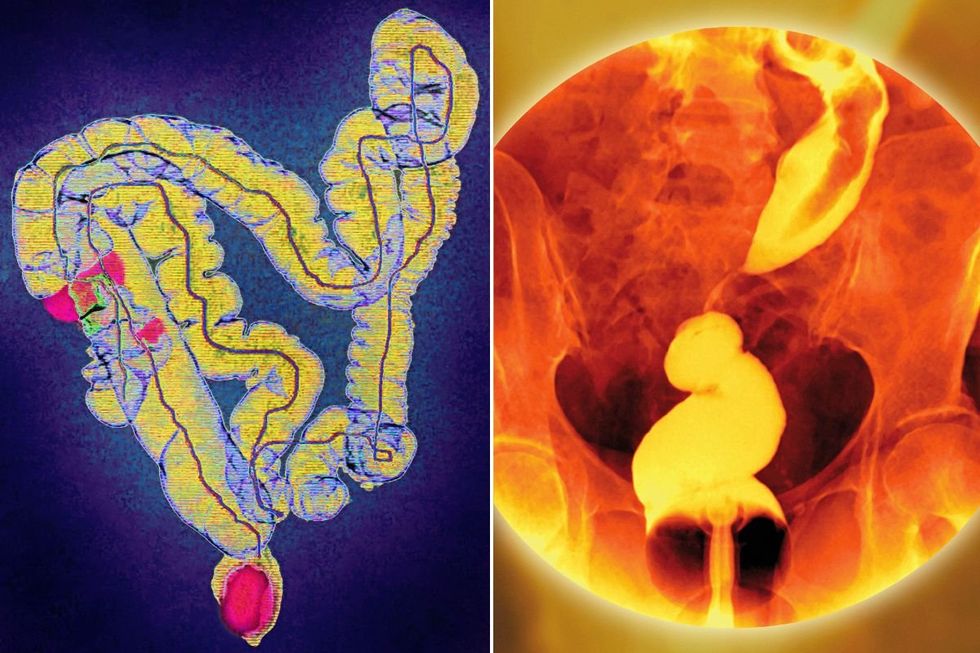
Climbing cancer rates in young people are being driven by rectal tumours
|GETTY
Over 20 years of follow-up, 1,679 colorectal cancer cases emerged among the 88,092 participants.
The findings sit within a broader picture of alcohol's impact on health.
A separate study from the International Agency for Cancer Research linked drinking to more than 740,000 new cancer diagnoses globally in 2020 alone.
Looking ahead, Loftfield and her team plan to investigate how lifetime alcohol use affects other cancers, including liver cancer.
Our Standards: The GB News Editorial Charter