








Archaeologists have discovered evidence suggesting a stone bothy in the Highlands was secretly used to illicitly distil whisky around two centuries ago.
The copper piece alongside, a carefully built hearth and clear signs of burning at the stone structure were uncovered at Ben Lawers National Nature Reserve.
The discovery points to the bothy's use as a secret distillation site, likely operating sometime in the late 18th or early 19th century.
Researchers believe the copper component once served to join the lyne arm to the still's head, a crucial connection in the whisky-making apparatus.
The excavation team, comprising National Trust for Scotland archaeologists and volunteers, also uncovered a substantial drain beneath the floor, topped with stone capping, along with a timber post that once supported the roof.
This wooden beam appears to have become buried when the bothy's walls eventually collapsed inward.
Among the five illicit whisky bothies identified within the nature reserve, this particular site stands alone in yielding physical evidence of a copper still.
The investigation formed part of The Pioneering Spirit project, which is backed by The Glenlivet and has involved a series of archaeological digs at the location.
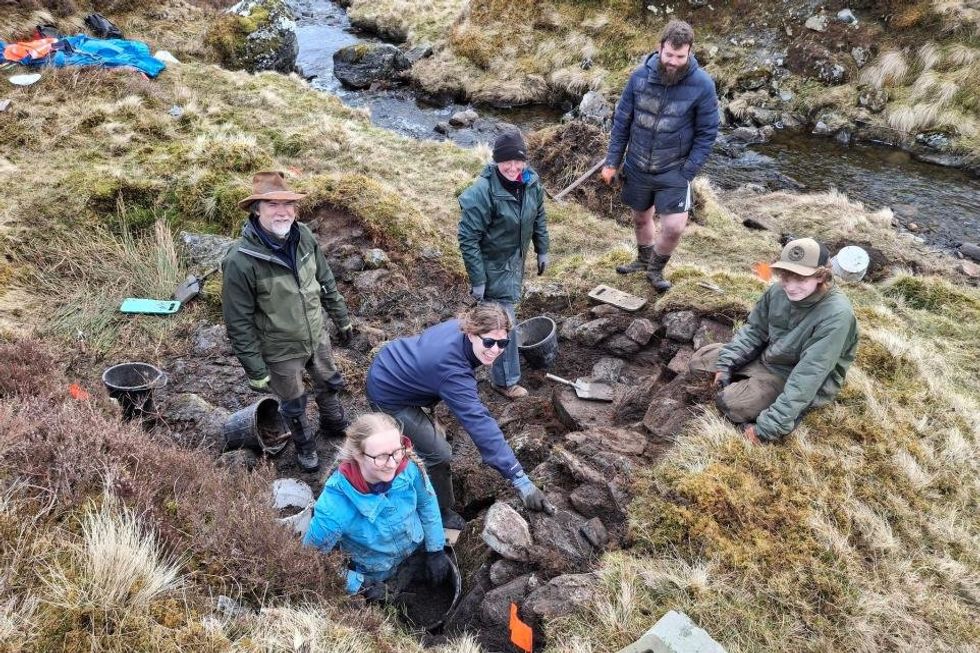
Archaeologists have discovered evidence suggesting a stone bothy in the Highlands was secretly used to illicitly distil whisky around two centuries ago
|National Trust for Scotland
Derek Alexander, NTS head of archaeology, said: "This is a wonderful example of how archaeology can tell a gripping story of spirit smuggling that would otherwise have been lost to time.
"In the early 19th century, illicit whisky distilling in these hills became a real battle of wits between excise officers and distillers.
"To find the remains of stills in these upland areas, you need to think like an excise officer. Those who distilled spirit in this bothy will have picked the location carefully to make sure they were well hidden.
"This bothy is well concealed along one arm of the Lawers Burn, nestled in a burn gulley where there’s a slight bend in the burn to shield the site from both upstream and downstream. The people who distilled here knew what they were doing and it’s possible the still was never seized by the authorities.
LATEST DEVELOPMENTS
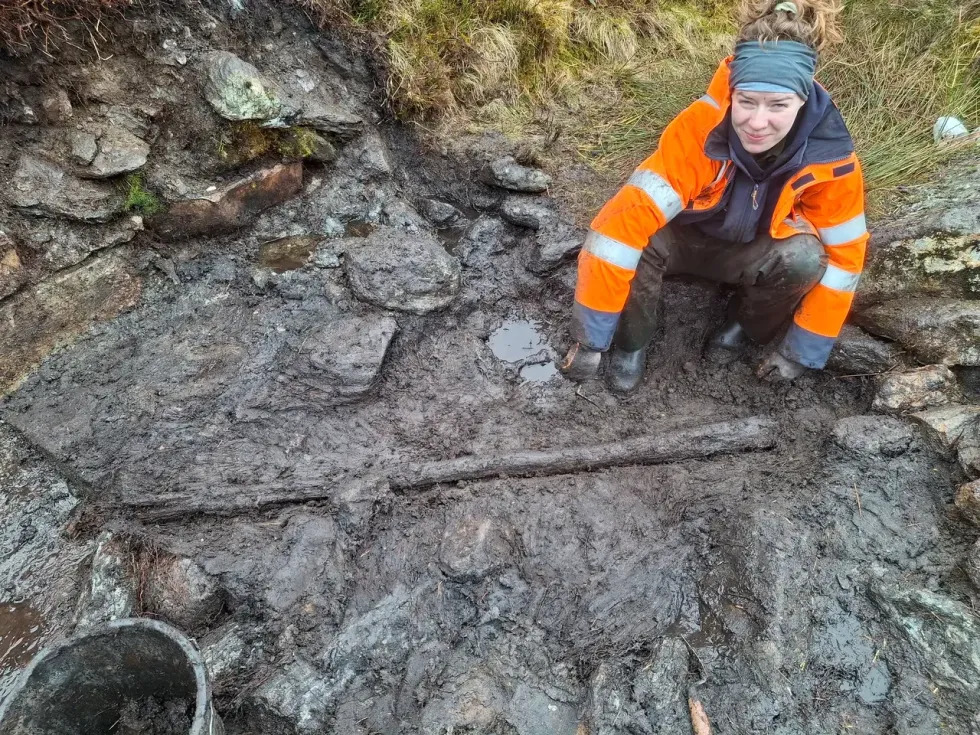
The copper piece alongside, a carefully built hearth and clear signs of burning at the stone structure were uncovered at Ben Lawers National Nature Reserve
|National Trust for Scotland
He added: "If the still had been found by the excise officers, the still would’ve been taken away and destroyed.
"So, the fact that we’ve found this connecting piece here suggests the still was dismantled in a hurry and its components whisked away by the smugglers as they dispersed. The connecting piece may have been forgotten in the rush and left behind.
"Distillers of illicit whisky would’ve travelled light and left little trace of their activity, and so a find like this is especially rare and exciting.
"It gives us a glimpse into an activity that was once rife in the hills of Ben Lawers and which was seen by many as an act of community resistance.”
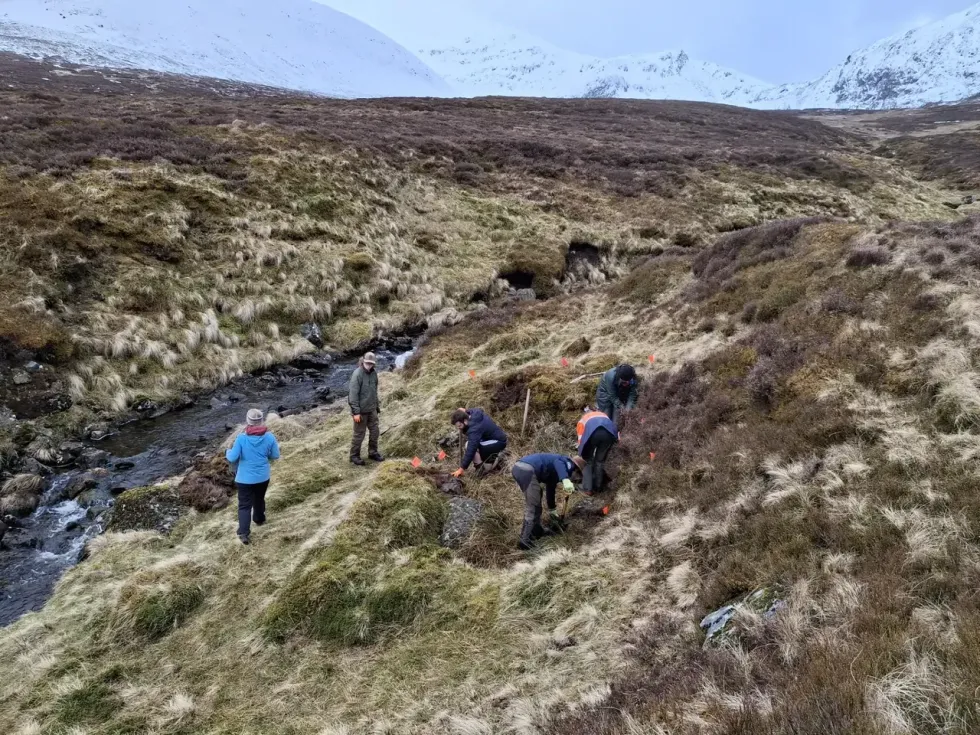
The discovery points to the bothy's use as a secret distillation site
|National Trust for Scotland
Following the 1788 Excise Act, which outlawed unlicensed private distillation, those producing whisky without permission faced the constant threat of discovery by excise officers.
To evade authorities, many operators relocated their stills to concealed bothies situated in remote upland terrain.
The Ben Lawers National Nature Reserve, managed by the National Trust for Scotland, contains five such sites known to have been used for illegal whisky production during this period.
Experts have dated the bothy's likely operational period to sometime after the 1788 legislation came into force, spanning the late 18th and early 19th centuries when illicit distillation and smuggling were widespread across the Highlands.
Our Standards: The GB News Editorial Charter