





New MOT rules have been confirmed by the Government in a bid to cut red tape for businesses and drivers using electric vans.
Labour has announced an overhaul of rules for testing, by bringing electric vans in line with petrol and diesel vehicles for the first time.
From June 1, electric vans weighing between 3.5 and 4.25 tonnes will be moved from heavy vehicle testing requirements to Class 7 rules for MOT tests.
Labour suggested that businesses will soon benefit from less strenuous MOT tests, more flexibility when booking and huge savings of up to 60 per cent on MOTs.
Any new electric vans weighing between 3.5 and 4.25 tonnes will only need their first MOT three years after registration, rather than after one year.
Electric vans are heavier than petrol and diesel vehicles, due to the large battery, requiring them to undergo more stringent testing measures.
The Department for Transport launched a consultation in 2024, which looked at amending regulations that apply to large zero emission goods vehicles.
It proposed that ZEV vans with a maximum authorised mass above 3.5 tonnes and 4.25 tonnes could make it easier and cheaper to operate, with a particular focus on roadworthiness testing and drivers' hours rules.
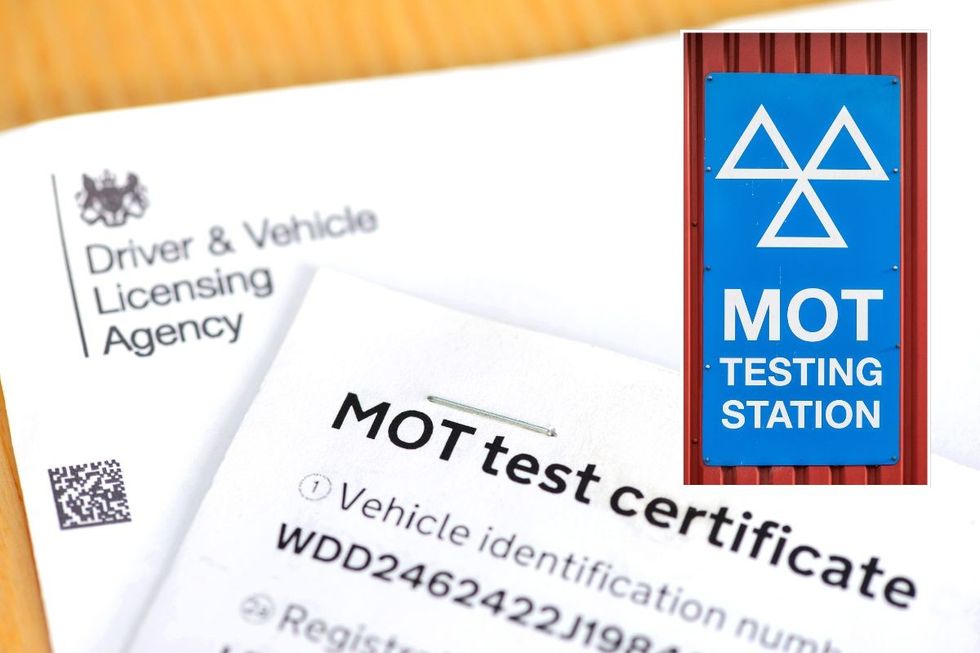
New MOT test rules will launch at the start of June for electric vans
| GETTYWhen questioned whether vans in this weight category should undergo class 7 MOT testing rather than HGV testing, 82 per cent agreed.
Financial reasons were cited as the main benefits of introducing such measures, while some noted that switching to zero emission vans could be made easier with these law changes.
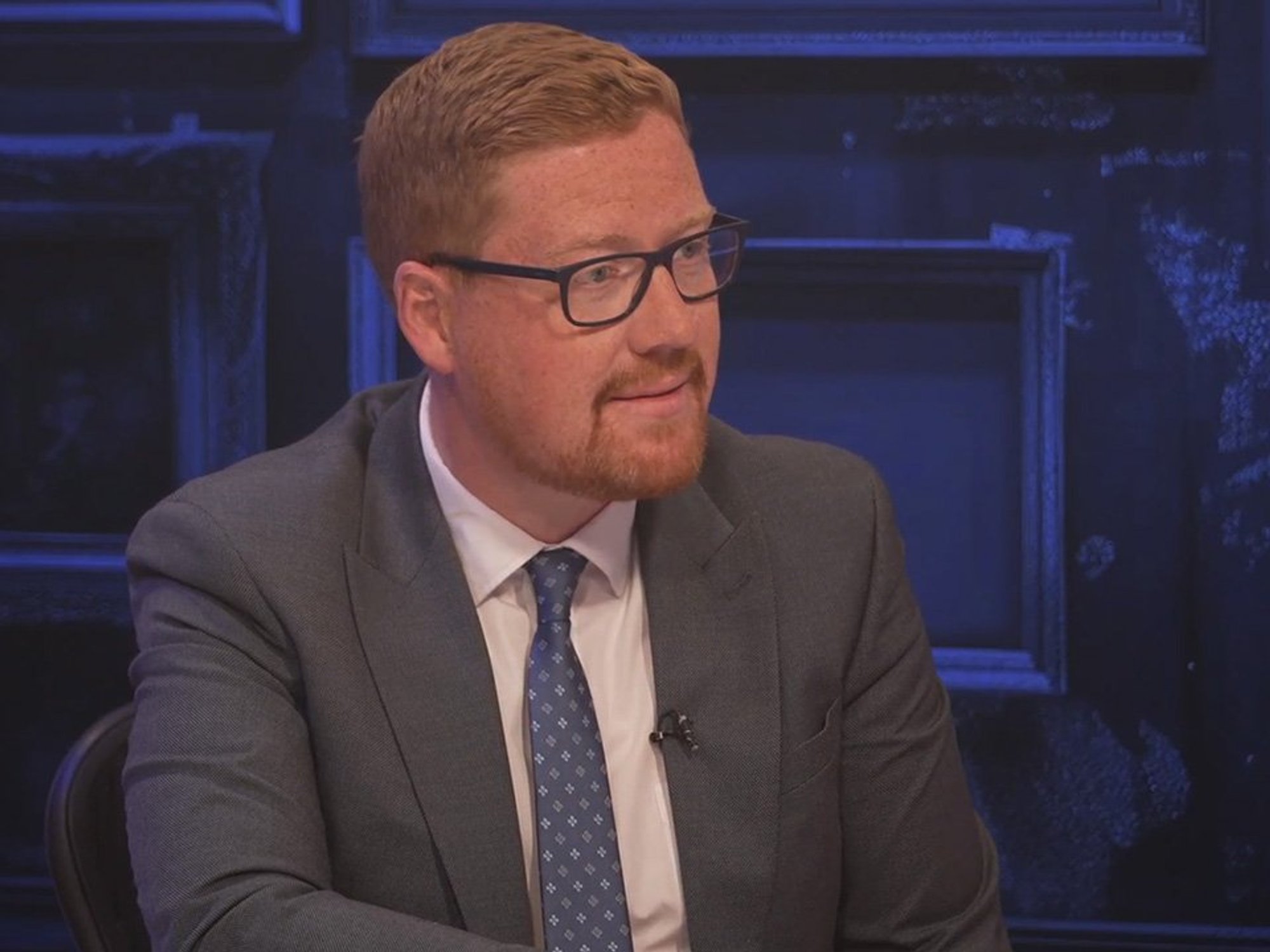
Commenting on the incoming rules, Aviation, Maritime and Decarbonisation Minister Keir Mather, said the Government was going further to support the sector.
He added: "We're backing UK businesses to expand and decarbonise their fleets, and that's why we're investing over £1billion to support businesses to roll out e-vans, trucks and the charging needed to support them."
LATEST DEVELOPMENTS
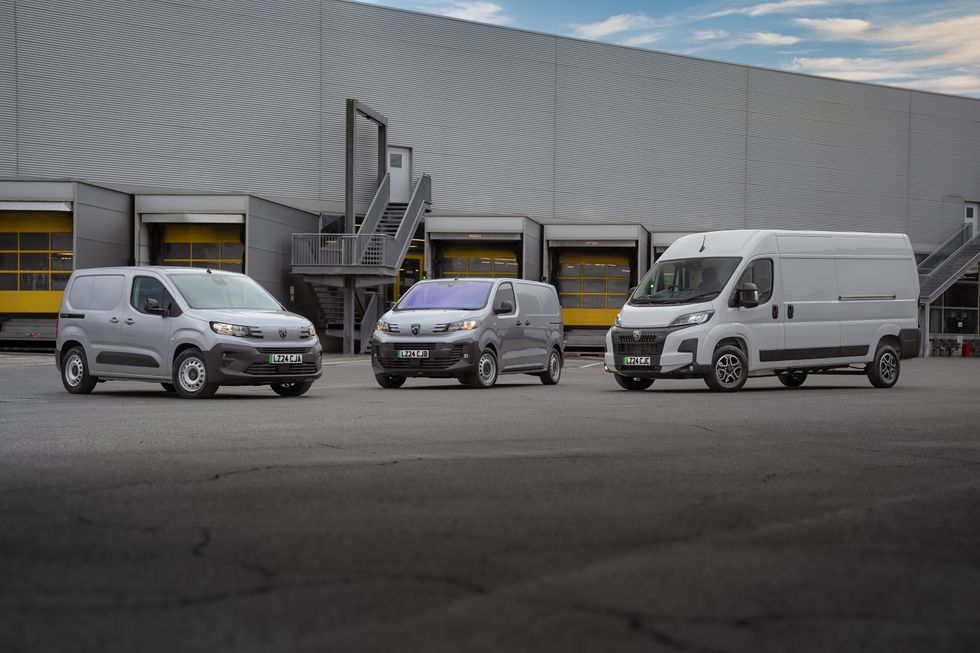
The Government recently announced new grants to help with the rollout of more electric vans
| PEUGEOTThis was emphasised by Toby Poston, chief executive of the British Vehicle Rental and Leasing Association, who praised the move.
He noted that the BVRLA and its members had consistently highlighted that financial barriers were one of the key factors holding the ZEV sector back.
"Following extensive collaboration between Government and industry, these changes remove major operational hurdles for fleets and unlock a critical part of the UK's transition to zero-emission road transport," Mr Poston said.
This is the latest move in a series of measures put forward by the Government to support the uptake of electric vans.
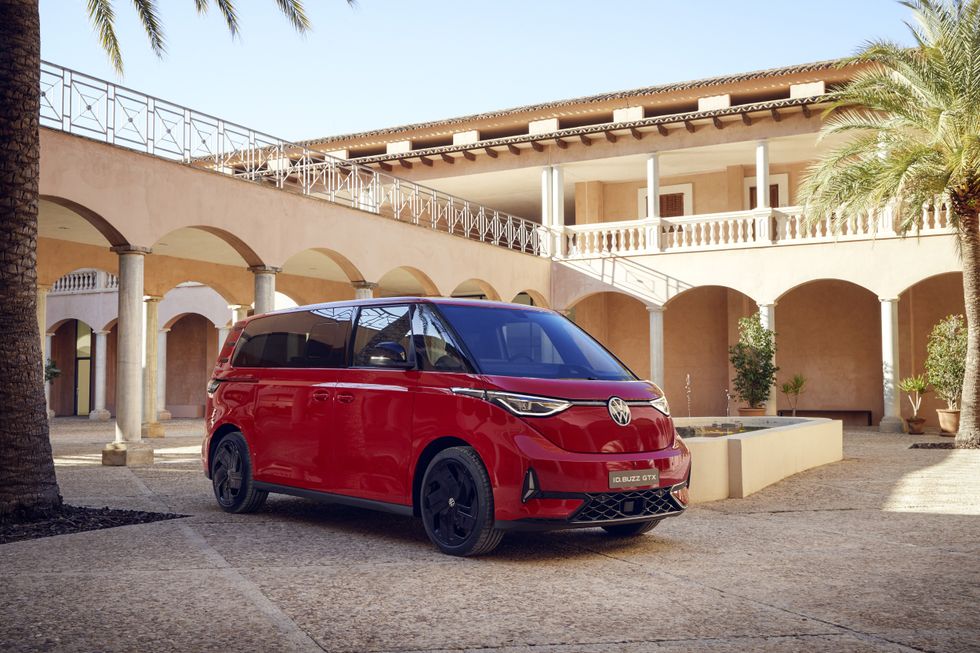
The Volkswagen ID. Buzz is included in the Plug-in Van Grant
|VOLKSWAGEN
It confirmed that the Plug-in Vehicle Grant would be extended, with drivers and businesses potentially saving up to £2,500 on the cost of a small van or £5,000 for a large van.
Motorists can pick from some of the most popular electric vans on the market, including the Renault Kangoo E-Tech, Vauxhall Combo-e, Toyota Proace Electric and Volkswagen ID. Buzz.
Businesses in England, Scotland and Wales could also receive a maximum grant of 20 per cent of the cost to buy a truck weighing 4.25 to 12 tonnes and 40 per cent for other weight categories.
Trucks weighing between 4.25 and 12 tonnes attract a maximum discount of £15,000, while trucks over 26 tonnes in weight could save a staggering £81,000.
"As well as saving up to £5,000 off the cost of a new electric van, businesses will now no longer face unnecessary red tape when they make the switch, cutting costs, reducing bureaucracy and driving growth up and down the country," Keir Mather stated.