










Advanced imaging technology has uncovered dozens of previously hidden pieces of ancient graffiti etched into the walls of a narrow passageway in Pompeii, revealing Romans two millennia ago shared remarkably similar preoccupations to people today.
Researchers from the Sorbonne in Paris and the University of Quebec employed a sophisticated technique known as Reflectance Transformation Imaging to detect markings invisible to the naked eye.
The 2,000-year-old scrawlings encompass romantic declarations, vulgar humour about bodily functions, an explicit account involving a sex worker and precise sketches of gladiators in combat.
In total, the team documented more than 300 individual pieces of graffiti throughout the corridor, with 79 representing entirely new discoveries that had escaped detection since the alleyway was first excavated in 1794.
TRENDING
Stories
Videos
Your Say
The Theatre Corridor stretches 27 metres in length and measures three metres across, serving as a covered walkway linking Pompeii's two theatrical venues.
Ancient visitors would have sought refuge there from winter storms and scorching summer heat while waiting for performances.
Evidence of guttering along one wall indicates the passageway likely served a secondary function as an open-air public toilet.
The breakthrough in detecting these long-hidden inscriptions came through a specialised camera arrangement that projects intense light onto surfaces from multiple directions.
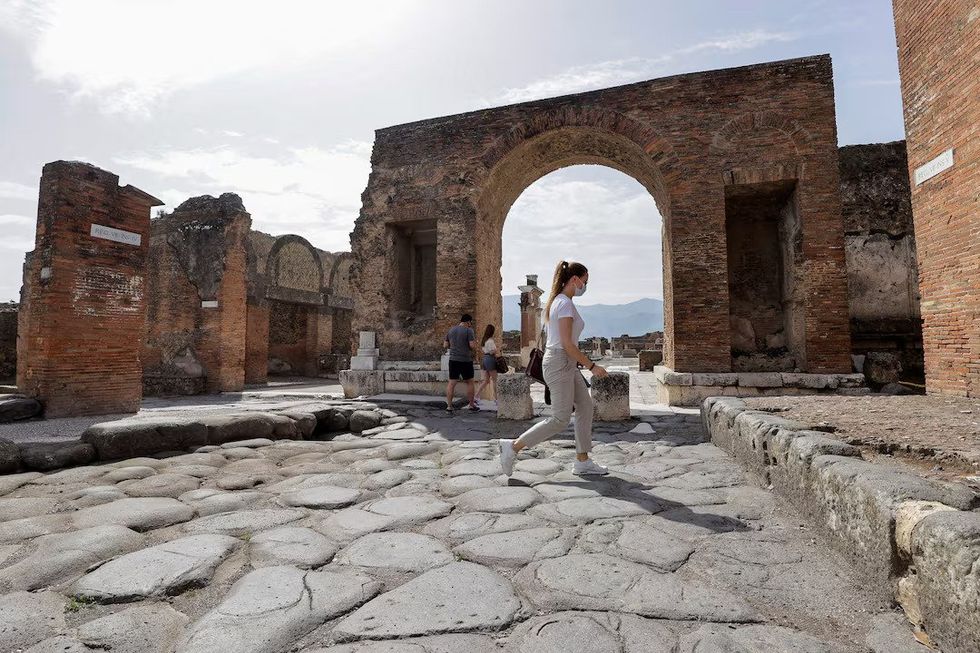
Researchers employed a sophisticated technique known as Reflectance Transformation Imaging
|REUTERS
Computer software then analyses the resulting images to identify minute surface variations far too subtle for human eyes to perceive.
Although archaeologists first noted traces of wall markings when the corridor was unearthed over two centuries ago, this modern approach has transformed understanding of what ordinary Romans left behind.
Among the romantic inscriptions, one tantalising fragment reads "Erato loves..." before the damaged plaster renders the beloved's identity permanently unknowable. Erato was a name commonly given to female slaves and freedwomen in ancient Rome.
A more elaborate declaration invokes divine blessing: "Methe, slave of Cominia, of Atella, loves Cresto in her heart. May the Venus of Pompeii be favourable to both of them and may they always live in harmony."
LATEST DEVELOPMENTS
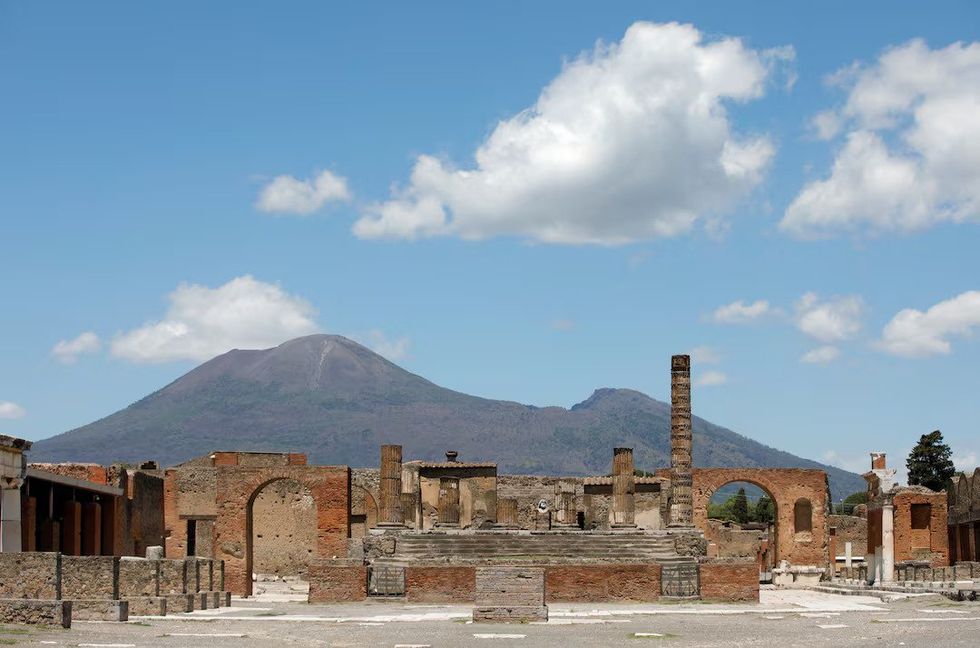
Scientists detected markings invisible to the naked eye
|REUTERS
Another message, seemingly scribbled by someone dashing from a performance, pleads: "I'm in a hurry; take care, my Sava, make sure you love me!"
Not all inscriptions proved so tender. One bewildering taunt declares: "Miccio, your father ruptured his belly when he was defecating; look at how he is Miccio!"
The name Miccio appears carved four times within a small section of the alley.
A bawdier account describes a sex worker called Tyche being brought to the corridor and receiving payment from three men.
Beyond the written messages, the researchers discovered illustrations ranging from simple sketches to impressively detailed artwork.
One particularly striking image depicts two gladiators engaged in combat, their weapons, protective gear and shields rendered with notable precision despite some plaster deterioration obscuring portions of one fighter.
The researchers believe the distinctive stances of these warriors suggest the anonymous artist may have witnessed actual gladiatorial contests and recreated the scene from memory.
Gabriel Zuchtriegel, the Director of the Park of Pompeii, said: "Technology is the key that is shedding new light on the ancient world and we need to inform the public of these new discoveries."
These findings join approximately 10,000 messages and designs previously identified across Pompeii's walls, offering invaluable glimpses into everyday Roman existence.
Our Standards: The GB News Editorial Charter