







Lebanese and Israeli leaders are set to speak for the first time in decades after Donald Trump said he was "trying to get a little breathing room" between the two countries.
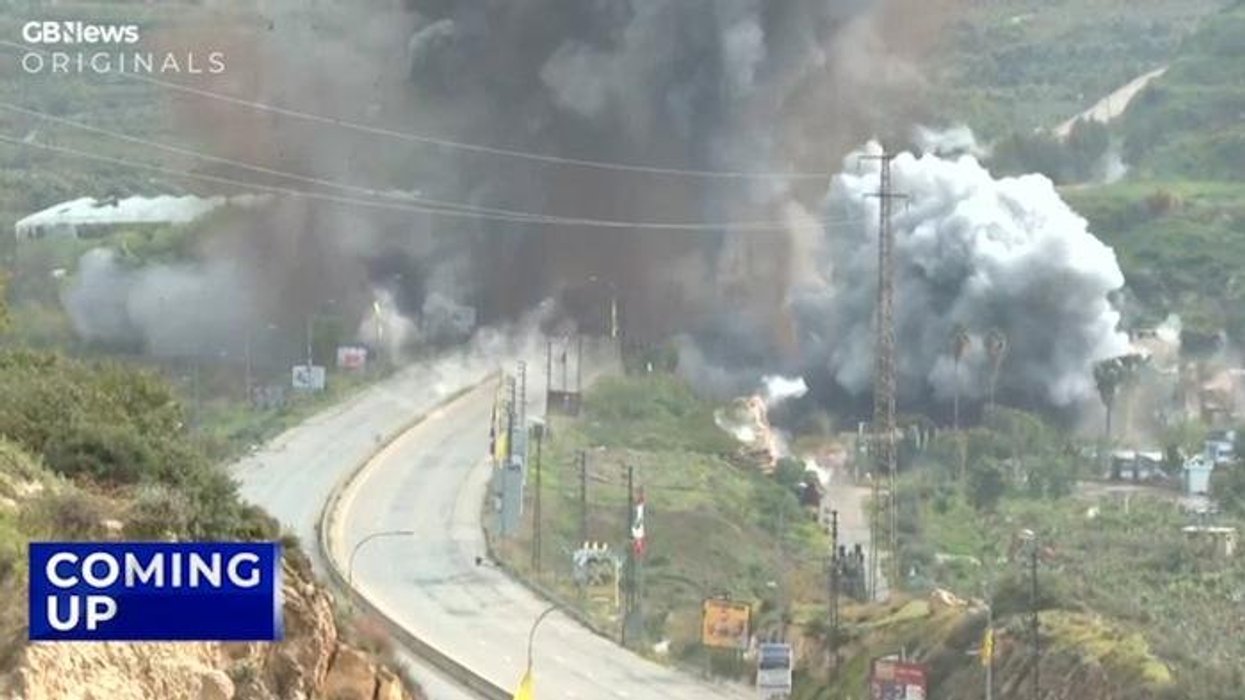
The Lebanon conflict spiralled out of the US-Israeli war with Iran, with the Iran-backed Hezbollah opening fire in support of Tehran on March 2, prompting an Israeli offensive in Lebanon just 15 months after the last major conflict.
Israeli Prime Minister Benjamin Netanyahu remains under pressure from the White House to reach a ceasefire agreement in Lebanon.
President Trump, alongside Israeli cabinet members, has now suggested the leaders will agree to talk for the first time in decades.
TRENDING
Stories
Videos
Your Say
Taking to his Truth Social page last night, President Trump said: "It has been a long time since the two leaders have spoken, like 34 years. It will happen tomorrow. Nice!"
He did not offer any further details about potential talks between Mr Netanyahu and Lebanese President Joseph Aoun.
Gila Gamliel, a member of Israel's security cabinet, told local media that Mr Benjamin Netanyahu would "speak for the first time with the president of Lebanon after so many years of no contact between the two countries".
A senior Lebanese official told reporters Beirut had no information about a potential call between the two leaders.
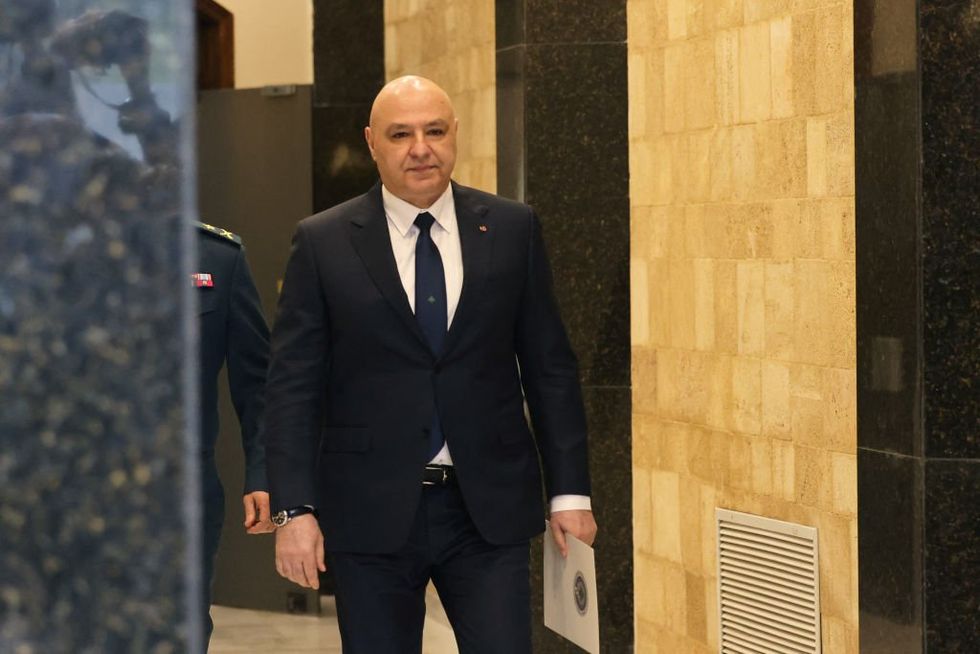
Lebanese president Joseph Aoun could make history by speaking to Israel later today
|GETTY
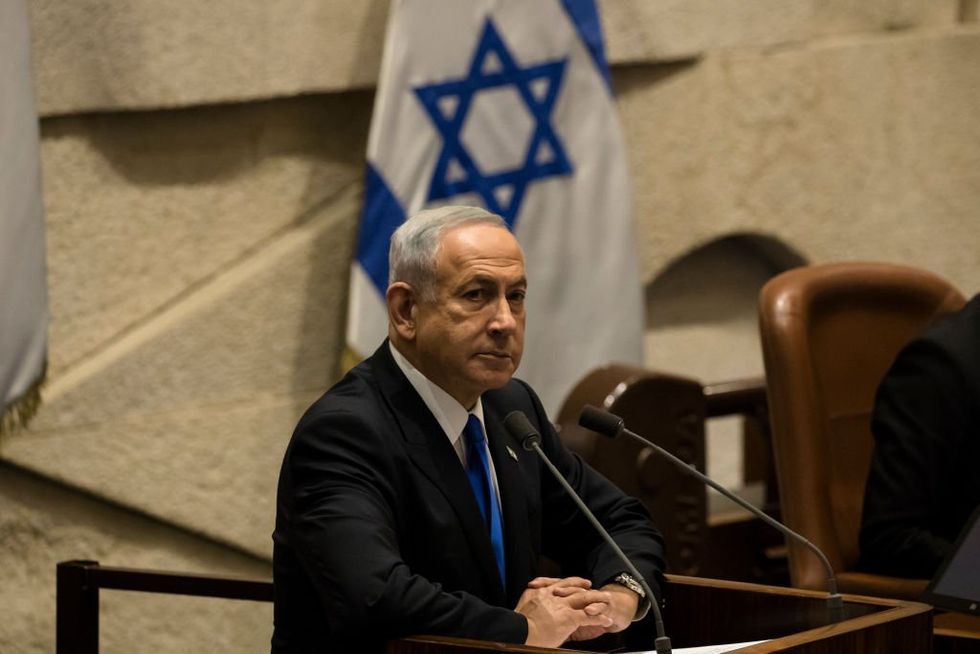
The Israeli Prime Minister is under fire over stalled ceasefire talks
|GETTY
The Lebanese government has been sharply at odds with Hezbollah over its decision to enter the war, having spent the last year seeking to secure the peaceful disarmament of the group founded by Iran's Revolutionary Guards in 1982.
Beirut banned Hezbollah's military activities on March 2.
Washington expressed optimism about reaching a deal to end the war with Iran on Wednesday, with both sides agreeing to a two-week ceasefire on April 8, following mediation by Pakistan.
Israel and the US have said the campaign against Hezbollah was not part of that ceasefire, though Pakistan's Prime Minister Shehbaz Sharif had said the truce would include Lebanon, as demanded by Iran.
LATEST DEVELOPMENTS FROM IRAN
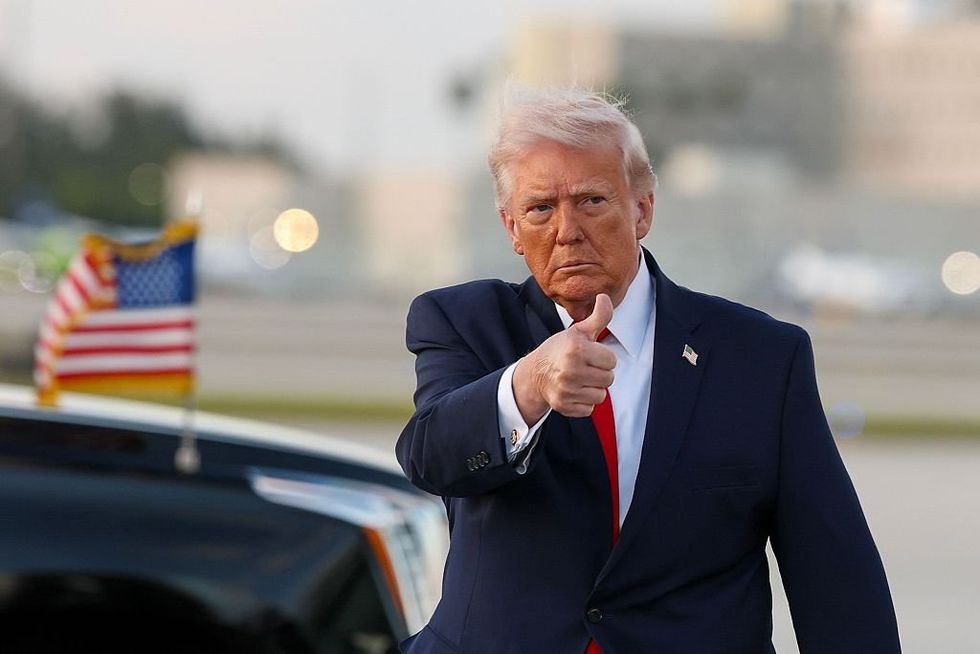
President Trump expressed cautious optimism for talks between the leaders
|GETTY
A senior US administration official said the White House had not asked for a ceasefire, but President Trump "would welcome the end of hostilities in Lebanon as part of a peace agreement between Israel and Lebanon".
Mr Netanyahu, in a video statement released late last night, said the Israeli military continued to strike at Hezbollah and was about to "overcome" the southern Lebanese town of Bint Jbeil, located at the border.
The senior Lebanese official said that Lebanon’s assessment was that Israel wanted to secure a victory in Bint Jbeil before diplomatic progress could be made.
The Israeli military said its troops were continuing "targeted ground operations in southern Lebanon".
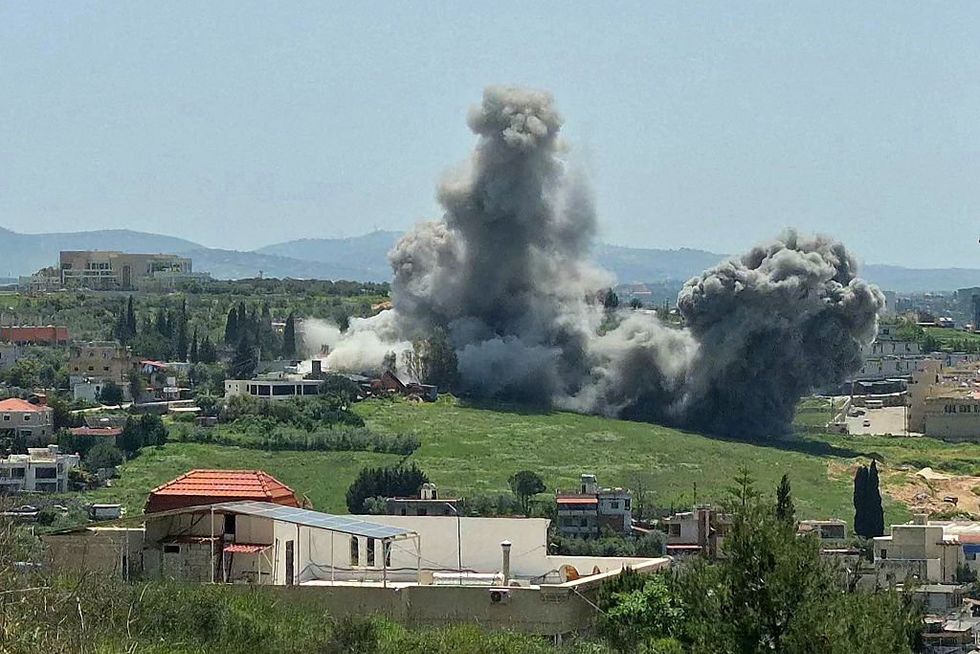
Israeli strikes continue to target the southern Lebanese city of Nabatieh
|GETTY
Iran has said Lebanon must be included in any agreement to end the wider war in the Middle East, while Washington has pushed back, saying there is no link between the two sets of talks.
US Secretary of State Marco Rubio hosted the first direct talks between Israel and Lebanon in decades, and both sides said they held positive discussions.
However, it was not immediately clear if they agreed to a framework for peace.
Hezbollah on Wednesday condemned the meeting in Washington, saying it would deepen the rift among the Lebanese population.
The US State Department released a statement after the meeting saying the two sides had "productive discussions on steps toward launching direct negotiations".
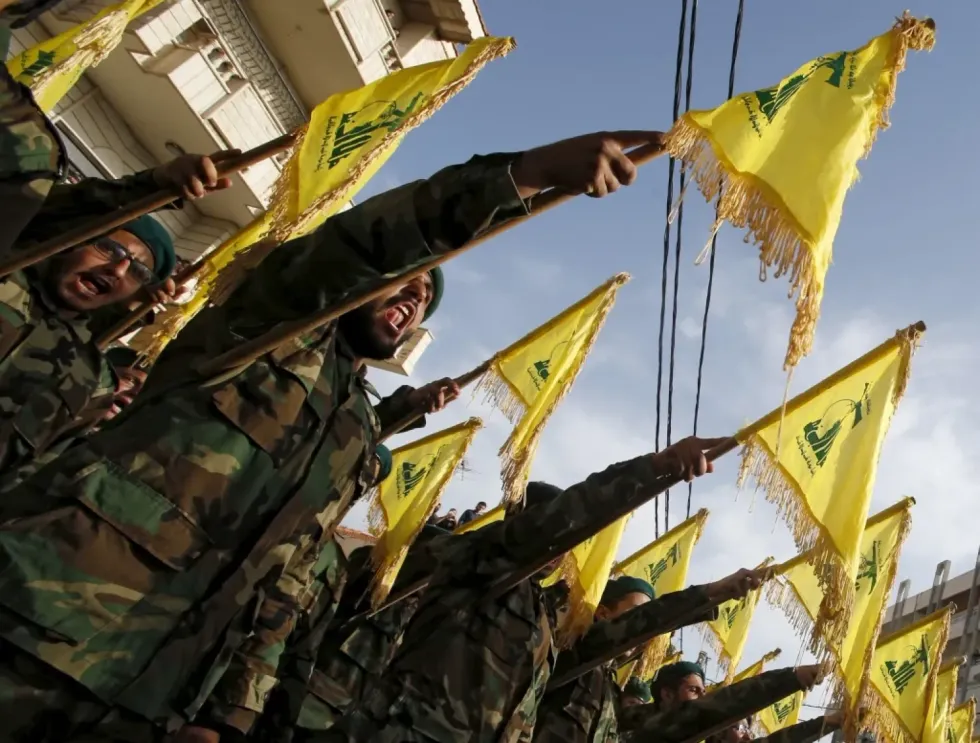
Hezbollah has condemned news of talks
| REUTERSOn the ground in Lebanon, an Israeli strike has severed the last bridge linking southern Lebanon to the rest of the country, according to a senior Lebanese security official.
They added that the strike "shattered" the bridge and left no possibility of repairing it.