





Donald Trump is being urged by Saudi Arabia to rein in the Middle East conflict amid fears of Iranian retaliation, according to Gulf diplomats.
Saudi Crown Prince Mohammed bin Salman is pressing the President to end the American naval blockade of the Strait of Hormuz and return to diplomatic talks.
The intervention marks a striking shift from one of the Arab world’s most hawkish voices on Iran, with Riyadh increasingly concerned the conflict could spiral.
The development was first reported by The Wall Street Journal and later confirmed to The Telegraph by two Gulf officials.
TRENDING
Stories
Videos
Your Say
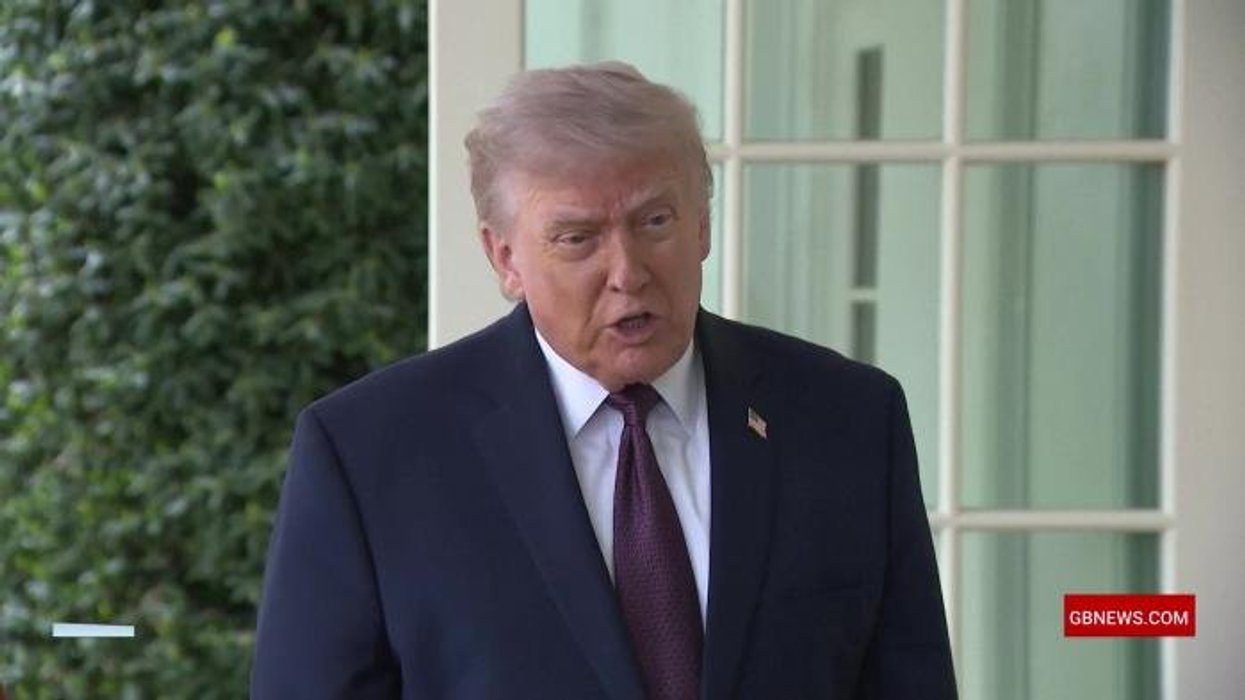
Mr Trump announced on Sunday that US forces would begin intercepting vessels travelling through the Strait of Hormuz, framing the move as a response to Tehran’s failure to offer sufficient concessions in talks.
However, Saudi Arabia is said to fear that Iran could retaliate by ordering its Houthi proxies in Yemen to shut down the Bab al-Mandeb Strait - a critical Red Sea route through which a significant share of Saudi oil exports passes.
Such a move would threaten one of the kingdom’s key export alternatives following Iran’s closure of the Strait of Hormuz.
Arash Azizi, an Iranian-American historian, told The Jerusalem Post the Houthis were likely preparing to close the Bab al-Mandeb “in the next round” of hostilities if tensions escalate further.
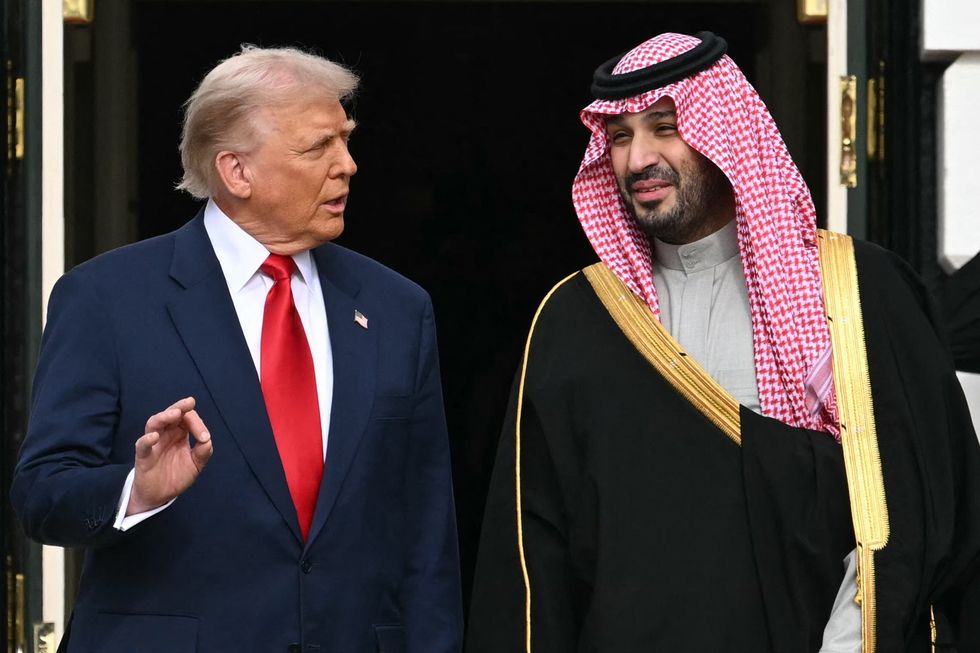
Mohammed bin Salman is pressing the President to end the American naval blockade of the Strait of Hormuz
|GETTY
However, he added: “There's a strong desire on the part of Iran to avoid that and to, in fact, de-escalate and seek a deal. So that's not something they're actively planning for.”
The Crown Prince’s current caution marks a sharp contrast to his stance following US air strikes on Iran’s nuclear facilities last June.
At the time, he is said to have shifted towards a more aggressive position, aligning with Israeli Prime Minister Benjamin Netanyahu in viewing the strikes as a rare opportunity to weaken Tehran decisively.
Saudi Arabia’s earlier confidence was believed to be rooted in its geography, with coastlines on both the Persian Gulf and the Red Sea.
IRAN WAR - READ THE LATEST:
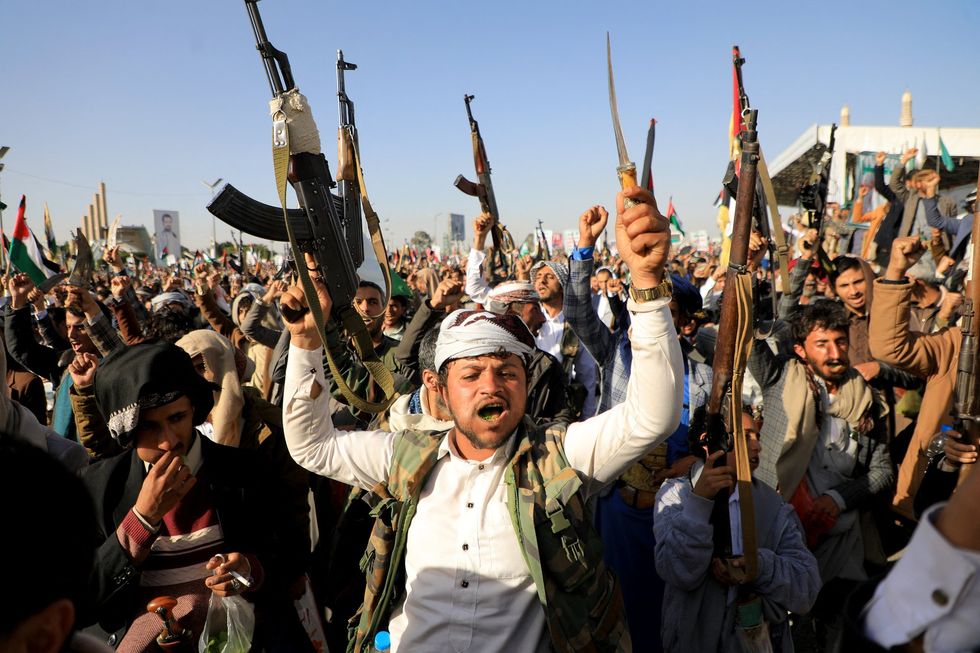
Saudi Arabia allegedly fears Iran could retaliate by ordering its Houthi proxies to shut down the Bab al-Mandeb Strait
| GETTY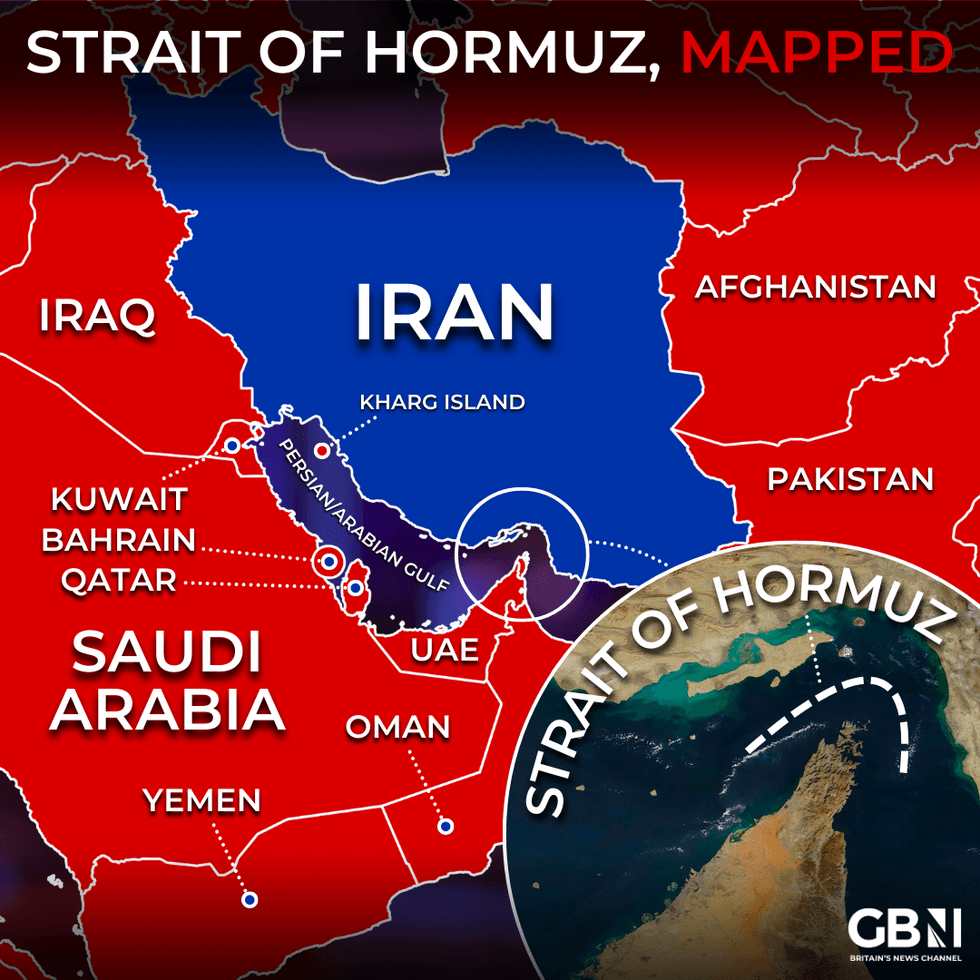 MAPPED: Where is the Strait of Hormuz? | GB NEWS
After Iran shut the Strait of Hormuz, the kingdom diverted crude from its Ras Tanura terminal to the Red Sea port of Yanbu via its 750-mile east-west pipeline, restoring exports to around seven million barrels a day.
However, that resilience could quickly unravel if the Iran-backed Houthis resume attacks or attempt to seize control of the Bab al-Mandeb.
Between 2023 and last year, the group launched 190 attacks on commercial vessels, sinking two ships and capturing another, causing Red Sea traffic to plunge by more than 60 per cent.
The Southern Transitional Council president’s special representative, Amr al-Bidh, warned: “The conditions for a resumption of strikes on shipping are now more permissive than at any point since 2023.”
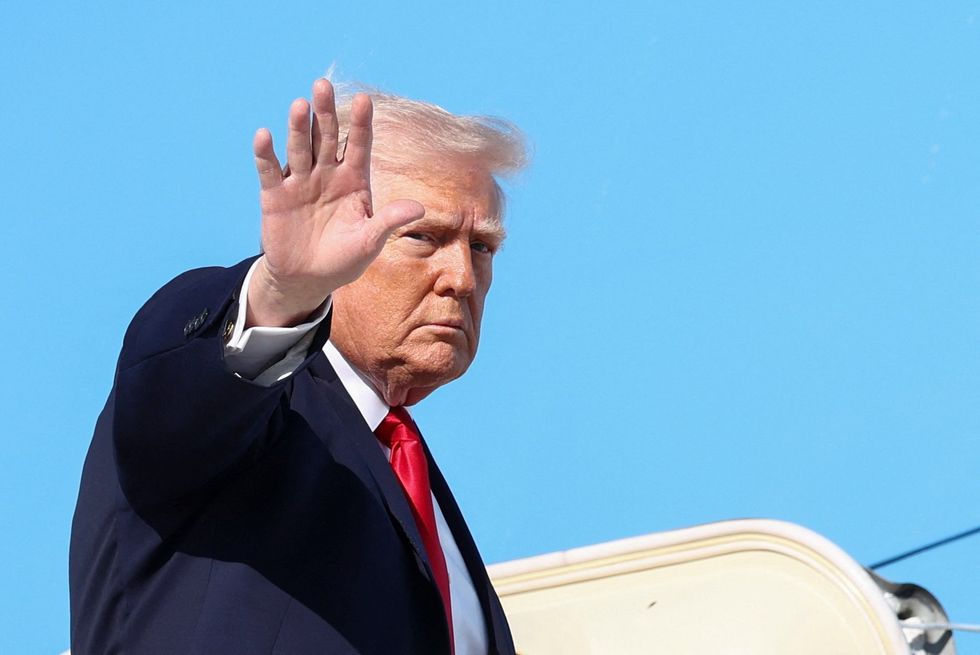
Mr Trump said talks with the Islamic Republic could resume within 'the next two days'
|REUTERS
Bahraini analyst Ahmed Alkhuzaie said Gulf states ultimately want Washington “to act as a guarantor of maritime security rather than as a disruptor”, seeking deterrence against Iran without harming regional exporters.
On Tuesday, Mr Trump told the New York Post that talks with the Islamic Republic could resume within “the next two days”.
The President said: “Something could be happening over the next two days, and we're more inclined to go there [Pakistan].”
Last weekend, Vice President JD Vance held talks with senior Iranian figures in Islamabad, but the negotiations ended without a deal to bring the conflict to an end.
Our Standards: The GB News Editorial Charter