







A retired chartered surveyor has returned three medieval floor tiles to Wenlock Priory nearly six decades after stealing them as a child during a family outing.
Simon White was just nine years old when he took the ornate clay artefacts from the Shropshire site in July 1967, with his father acting as lookout and encouraging the theft.
The 68-year-old rediscovered the tiles months ago whilst searching through his Hampshire loft, finding them inside a worn toffee tin where they had remained hidden through numerous house moves.
Mr White said: "It's been very cathartic."
He added: "We are custodians of these buildings. We are just passing through. We are here to look after them for future generations and we shouldn't be nicking stuff, so I'm very, very pleased."
The memory of the theft had stayed with Mr White vividly, yet he could not recall the precise location where it occurred.
Following his retirement in 2022, he began investigating the mystery using his mother's detailed diaries.
He told the Times: "It revealed a lot of things I didn't know I'd forgotten. I pinpointed a day in July 1967 when we came out to see Wenlock Priory and Haughmond Abbey. I thought it was likely one of those two locations."

A retired chartered surveyor has returned three medieval floor tiles to Wenlock Priory nearly six decades after stealing them as a child during a family outing
|GETTY
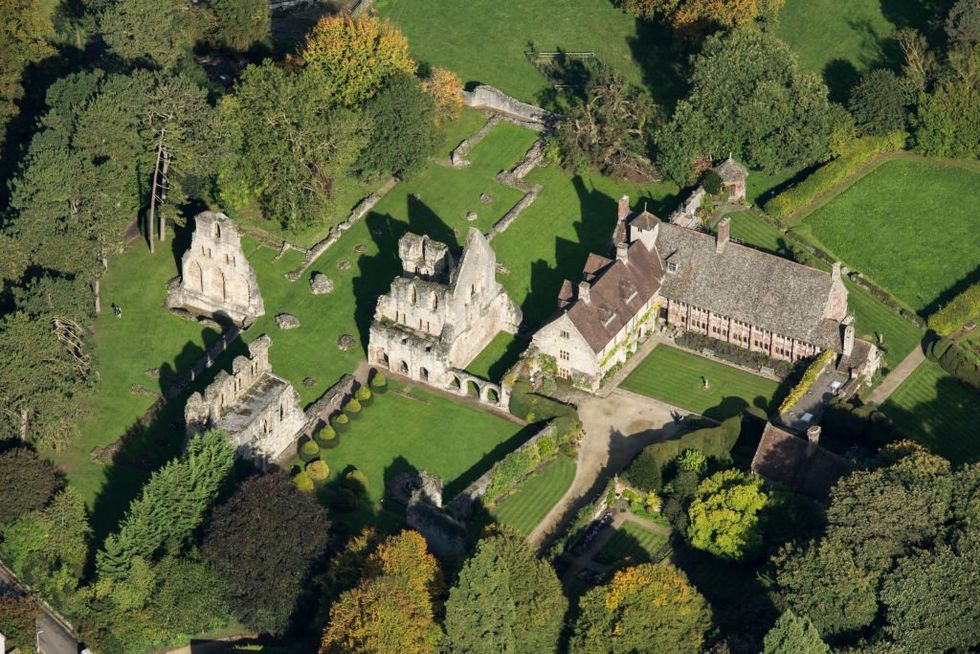
After Mr White contacted English Heritage, the charity conducted its own research and confirmed the tiles originated from Wenlock Priory, near Much Wenlock.
The historic site was established in AD680 as an Anglo-Saxon monastery by Merewalh, king of the Magonsaete, a Mercian sub-kingdom, before becoming a Cluniac priory following the Norman Conquest.
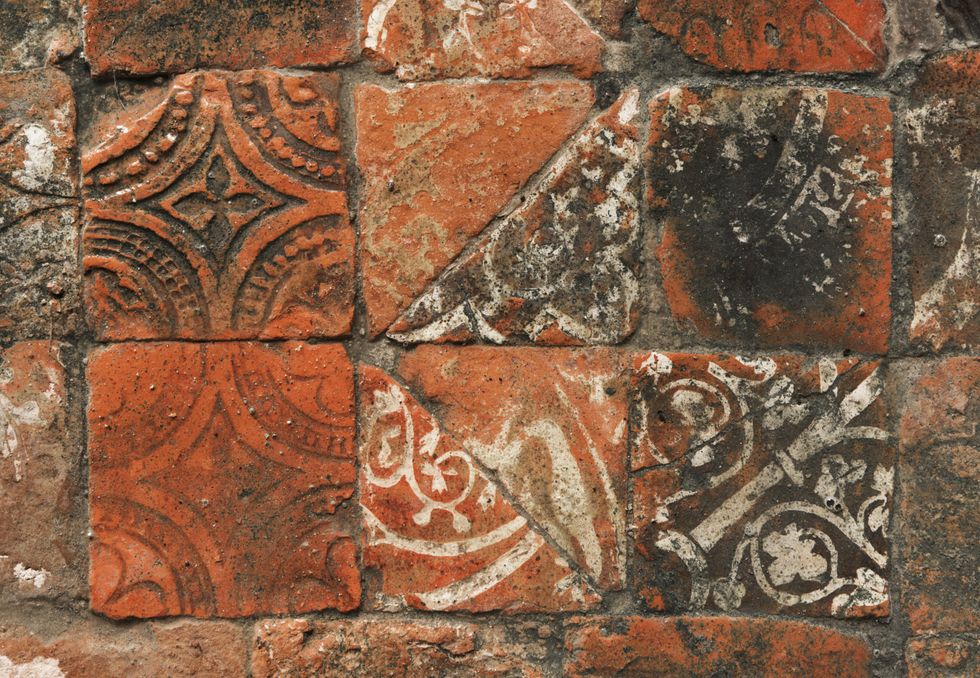
English Heritage expressed delight at receiving the tiles, which date from the 13th or 14th century and are believed to have originated from a church building at the priory.
Remarkably, the theft inadvertently preserved the artefacts in better condition than those left at the site.
LATEST DEVELOPMENTS:
The memory of the theft had stayed with Mr White vividly, yet he could not recall the precise location where it occurred
|GETTY
Matty Cambridge, assistant curator at English Heritage, said: "What's quite exciting about them is the quality. Because they weren't on the tile pavement, they have not been walked over, they have not been exposed to the elements.
"So we actually owe a debt of gratitude, because they're in much better nick than some of the ones that are still there."
One tile displays a dragon motif with unprecedented clarity compared to examples remaining at the priory.
Mr Cambridge appealed for others with guilty consciences about taking historical souvenirs to come forward.
imon White was just nine years old when he took the ornate clay artefacts from the Shropshire site in July 1967
|GETTY
Speaking on his late father, Mr White said: "This paints him in a dreadful picture but he wasn't a bad bloke at all. I guess back in 1967 archaeology wasn't as sexy. We hadn't had Time Team or Digging for Britain. People weren't so much into conservation. And I guess it meant less then."
Despite his father's encouragement, Mr White never discussed the incident with him again, though the memory remained firmly lodged in his conscience.
He said: "I can remember him sort of standing, making sure that nobody watched us."
The experience left him with lasting unease, making the return of the tiles after 59 years a significant personal relief.