











Two of Britain’s favourite bars can no longer be known as chocolate anymore after a controversial recipe change means they no longer meet the standard.
Toffee Crisp and Blue Riband will not be legally classified as chocolate products in the UK after Nestle mandated the cost-cutting alterations.
The reformulations saw both treats drop below the minimum thresholds required for milk chocolate labelling, which stipulates at least 20 per cent cocoa solids and 20 per cent milk solids.
Greater quantities of cheaper vegetable fat have been substituted into the bars, pushing them beneath these regulatory requirements.
Nestle attributed the changes to rising ingredient costs.
The company assured consumers that the changes were "carefully developed and sensory tested".
They also pledged that no further alterations to other chocolate products were planned.
As a result of the measures, Toffee Crisp and Blue Riband packaging now describes the products as being "encased in a smooth milk chocolate flavour coating" rather than stating they are covered in milk chocolate.
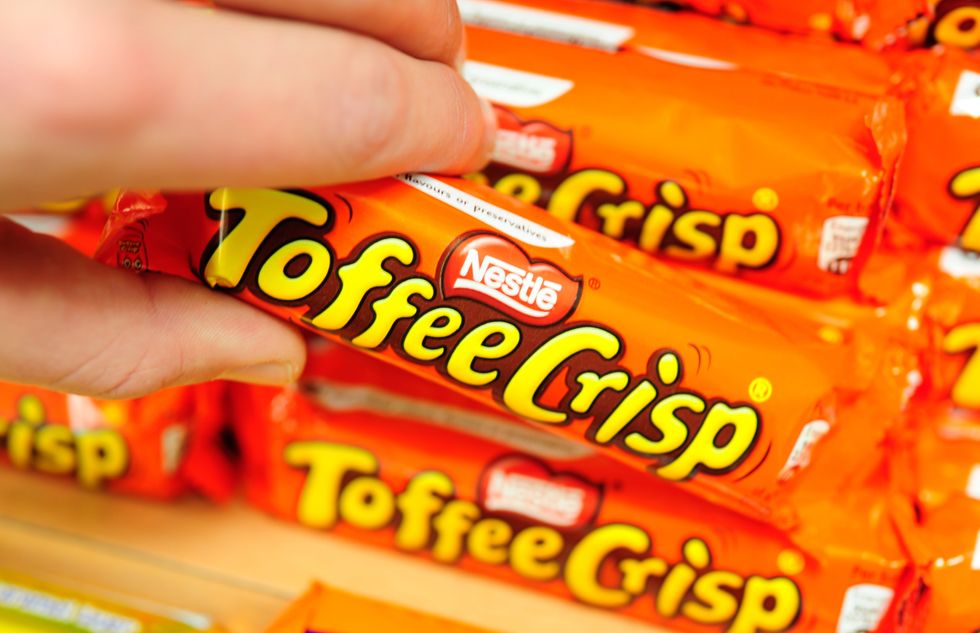
Nestle's Toffee Crisp and Blue Riband treats can no longer legally be considered chocolate bars
|GETTY
A Nestle spokesman said it had seen "significant increases in the cost of cocoa over the past years, making it much more expensive to manufacture our products".
“We continue to be more efficient and absorb increasing costs where possible,” they added.
The Swiss food and drinks giant is now alone in making such changes.
Rising prices for cocoa and butter have prompted numerous food manufacturers to reduce expensive ingredients in their products, whilst also shrinking portion sizes.
LATEST DEVELOPMENTS

Nestle attributed the changes to rising ingredient costs
|GETTY
McVitie's parent company Pladis switched Penguin and Club bars to "chocolate flavour" labelling in October after reducing cocoa content in favour of cheaper alternatives.
This practice of altering ingredient proportions to cut costs has been dubbed "skimpflation" and has grown increasingly prevalent as inflation has driven up production expenses.
Cocoa commodity prices have surged over the past three years, caused by poor harvests and drought conditions, which have significantly increased chocolate manufacturing costs.
Outside of the confectionery aisles, supermarkets have also been seen cutting costlier ingredients from their offerings.
Sainsbury's "Clotted Cream Rice Pudding" was repackaged after the clotted cream was replaced with whipping cream in its entirety.
The beef content of Tesco’s Lasagna dropped from 23 per cent to 19 per cent.
Waitrose Butter Chicken Curry reduced the amount of chicken, reducing it from 47 per cent to 41 per cent.
Morrisons also cut some avocado from their 150g guacamole, dropping from 80 per cent of its recipe to 77 per cent.
Our Standards: The GB News Editorial Charter