

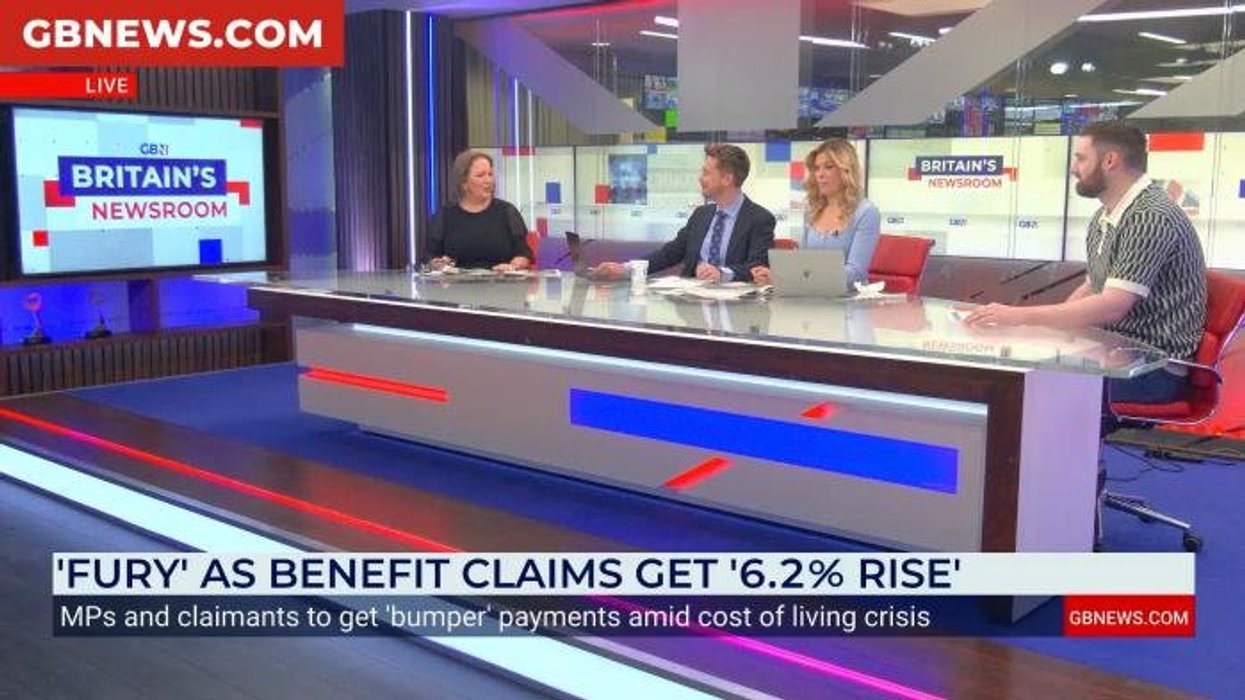








Britain's latest benefits boost has sparked outrage on GB News as parents can now claim for a newly listed "conduct disorder".
Broadcaster Clare Muldoon criticised the "ridiculous" decision by the Department for Work and Pensions (DWP) to include Oppositional Defiant Disorder (ODD) among the 178 conditions eligible for Personal Independence Payments (PIP).
In January 2026, there were 1,236 claims for conduct disorders, including ODD.
Millions of benefit recipients across the United Kingdom will receive increased payments from April 6, with most DWP benefits rising by 3.8 per cent in line with inflation while the State Pension climbs by 4.8 per cent under the Triple Lock guarantee.
The annual uprating affects a wide range of payments including Universal Credit, Personal Independence Payment, Attendance Allowance and Disability Living Allowance.
Reacting to the report, host Miriam Cates told the panel that essentially parents can "claim benefits if your child disobeys you".
Ms Muldoon declared the inclusion of ODD as a qualifying disorder is "absolutely ridiculous".
She fumed: "That is absolutely ridiculous, that is it is extraordinary. I cannot actually believe it."
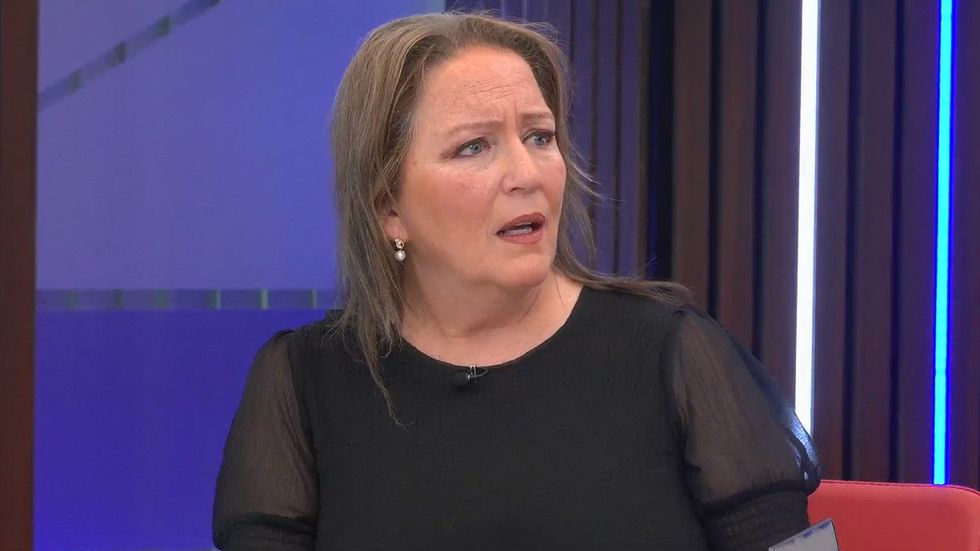
Clare Muldoon was left outraged on GB News as parents can now claim benefits for 'oppositional defiant disorder'
|GB NEWS
Taking issue with the inclusion of Oppositional Defiant Disorder, commentator Matthew Torbitt questioned "what kind of life" the system is setting these diagnosed children up for.
He explained: "My concern is, if that is a disorder, and we can all laugh - I was a sod when I was probably five or six and certainly had oppositional disorder. What life were we setting these people up to have?
"What are they going to be like when they start work? If they start work, or when they're at school?"
Agreeing with Mr Torbitt, host Alex Armstrong argued: "They won't start work, and that's the problem.
LATEST DEVELOPMENTS
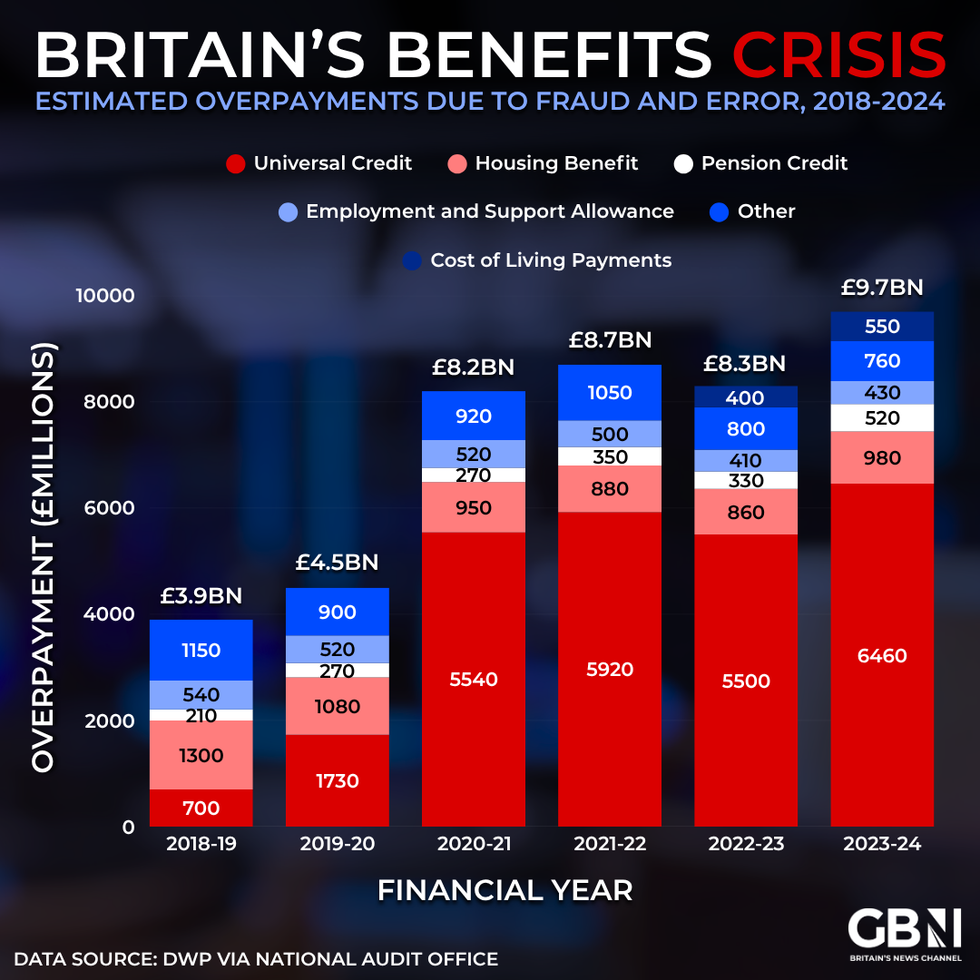 Billions of pounds in benefits are estimated to be overpaid due to fraud or error each year | GB NEWS/DWP
"And they won't be able to take authority from somebody who's their boss, and that would even imply that it'd be difficult for them to be challenged by the police and others. It's just bad parenting, I think."
Weighing in on the debate, Ms Muldoon said if they did start work, bosses wouldn't be able to "identify issues with their work" through fear of "causing offence".
She said: "Let alone the police, if you have got a young person now in a job that they can't actually do properly, as a director or as an HR professional, you cannot identify issues with their work in case it will cause offence."
Agreeing with Ms Muldoon, Mr Torbitt highlighted Alex's remark about "bad parenting" and told the GB News panel there is a "lack of discipline" in modern parenting.

The GB News panel were astonished at the disorder that parents can now claim for
|GB NEWS
He said: "For me, it's an issue with parenting and soft parenting and the idea of child led parenting, that the child decides.
"Whether it's got ADHD or it doesn't focus whether it isn't going to put its coat on, they just let it do what it wants, and there's a real issue about that, around sort of discipline."
Claimants applying for Personal Independence Payment will also encounter revised assessment rules from April.
Under the new regulations, recipients aged 25 and over will face a minimum three-year interval between reviews once their award has been granted, a substantial extension from the current system where reviews can occur as frequently as every nine months.
For those who continue to qualify at their first review, this gap will extend further to five years.
Our Standards: The GB News Editorial Charter