










Sainsbury's is scrapping brown eggs in favour of white-shelled varieties across its own-brand products as the retailer pursues its Net Zero targets.
Britain's second-largest supermarket chain has revealed plans to stock exclusively white eggs in its own-label cartons following research demonstrating their reduced environmental impact.
The grocer stated that transitioning to these "lower carbon" eggs supports its ambitions to achieve net zero across its own operations by 2035 and throughout its entire supply chain by 2050.
According to Sainsbury's, white eggs generate a 12.7 per cent smaller carbon footprint compared to brown alternatives, primarily because the hens producing them are smaller and require less energy-intensive feed.
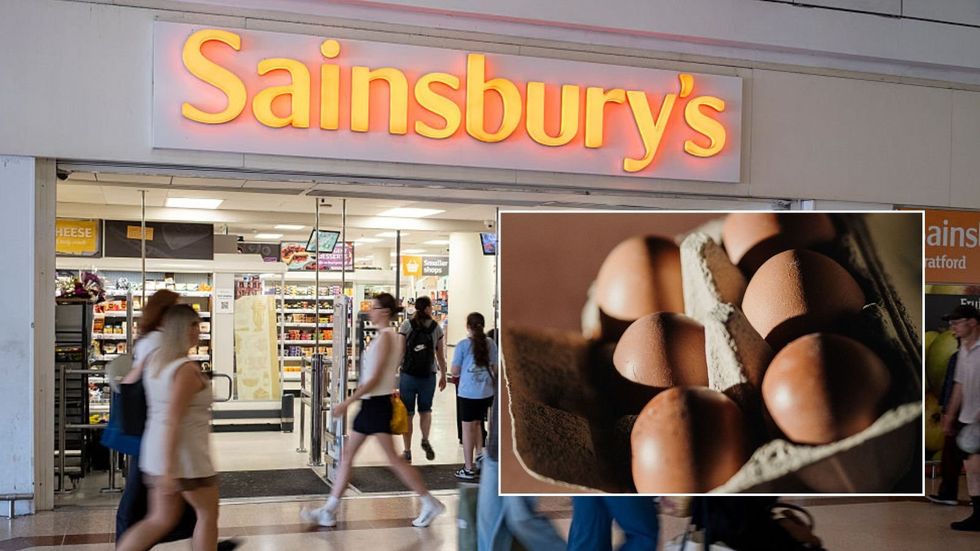
Sainsbury's is scrapping brown eggs
|GETTY
The supermarket explained that this shift helps indirectly lower demand for land and water resources used in growing feed crops, whilst also reducing the quantity of manure generated.
Beyond environmental considerations, the retailer highlighted welfare improvements for its supply chain. Hens that produce white eggs are less susceptible to feather pecking, a behavioural issue that affects bird wellbeing.
In its most recent annual report, Sainsbury's confirmed it was "making progress" on implementing the egg transition. This transition marks something of a return to the past for British shoppers.
During the 1970s, white eggs dominated supermarket shelves across the country.
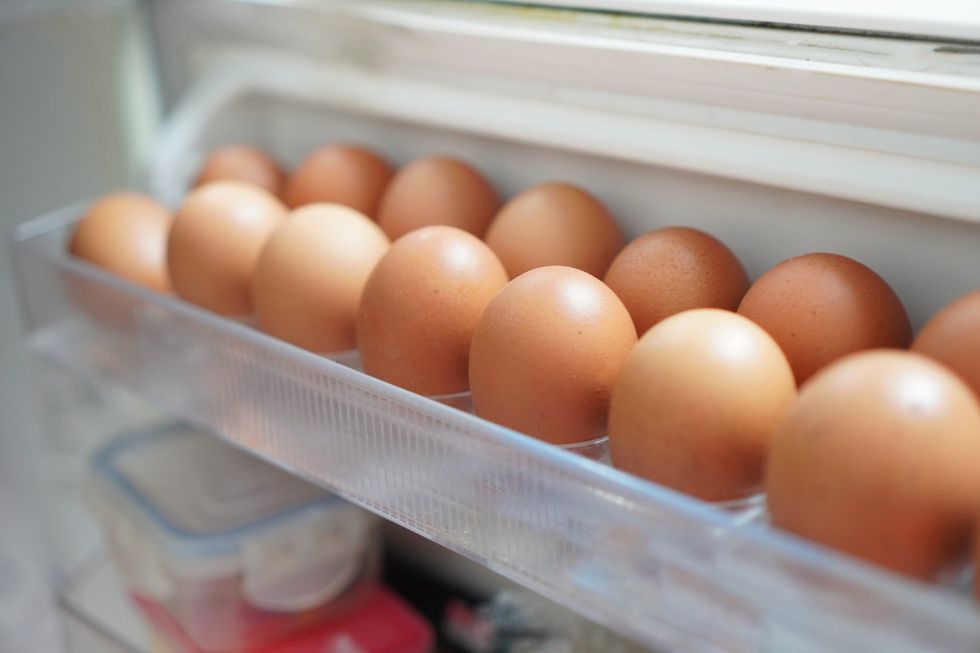
The price of eggs have dropped recently
| GETTYLATEST DEVELOPMENTS
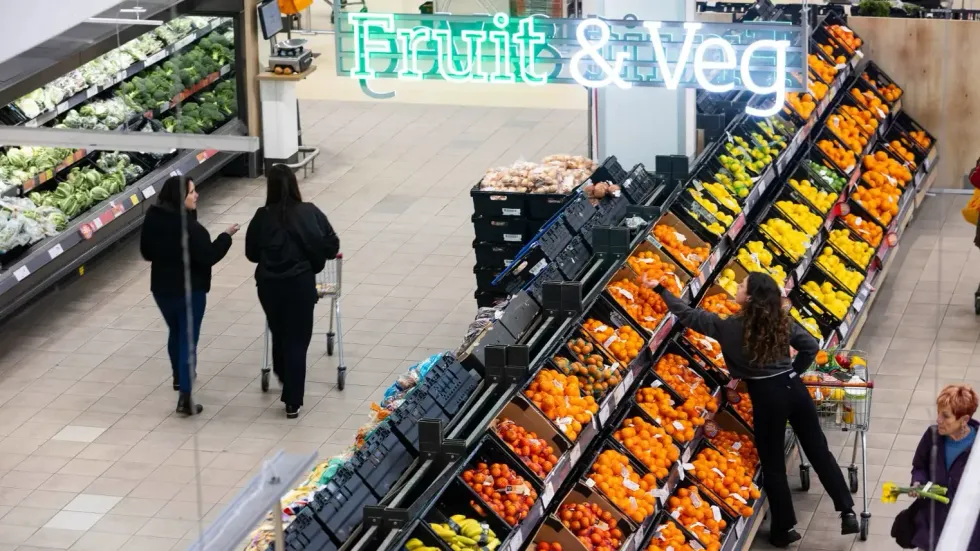
The supermarket chain is doubling down on Net Zero
|SAINSBURYS
Consumer preferences shifted towards brown varieties after misconceptions spread that they offered superior health benefits and greater nutritional value.
False claims circulated at the time suggesting white eggs had undergone bleaching. Until recently, brown eggs comprised nearly all supermarket sales in Britain.
White-shelled varieties, produced by breeds such as the Italian-origin White Leghorn, were primarily destined for restaurant kitchens rather than retail customers.
Tesco began stocking white eggs during the pandemic when panic buying created shortages of brown alternatives.
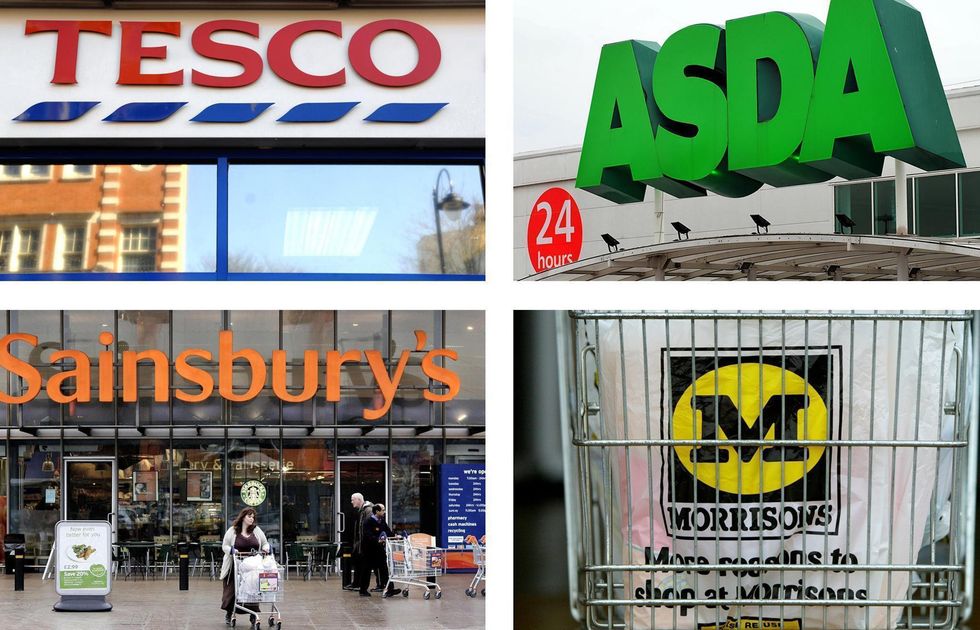
Is your supermarket similar changes?
| gbnewsDespite customer willingness to purchase white eggs, the supermarket faces potential difficulties in scaling up supply.
Farmers have spent decades transitioning to hen breeds that produce brown speckled eggs to satisfy consumer demand. According to the British Egg Industry Council, hens laying white eggs constitute just 15 per cent of the national flock.
A Sainsbury's spokesman said: "White eggs have the same delicious taste and nutritional benefits as their brown counterparts, but result in lower emissions and better welfare outcomes for the hens that lay them."
The spokesman added that British customers can now enjoy their eggs "knowing they are better for the environment and the hens".