










British savers deposited a record £57billion into cash ISAs during 2025, the highest annual inflow in more than a decade, according to new Bank of England figures.
It is also the biggest surge since the ISA allowance was raised to £20,000 in 2017, reflecting a sharp rise in demand for tax‑free savings products throughout the year.
Industry analysts say the rush was fuelled largely by fears that the Government would cut the tax‑free savings limit.
Speculation intensified throughout 2025 and was later confirmed when Chancellor Rachel Reeves announced a reduction in the allowance. Laura Suter, director of personal finance at AJ Bell, said the policy debate had a clear effect on saver behaviour.
TRENDING
Stories
Videos
Your Say
“There’s no doubt that the rumours around cash ISAs being cut and the eventual decision to slash the cash ISA allowance for under‑65s in last year’s Budget will have meant more people rushed to use the accounts,” she said.
The figures mark a dramatic turnaround from recent years. In 2022, savers withdrew a net £1.1billion from cash ISAs amid low interest rates and little incentive to shelter savings from tax.
That trend reversed as rates rose sharply, increasing the value of tax‑free returns.
December delivered the strongest month on record outside the traditional end‑of‑tax‑year surge, with £5.2billion flowing into cash ISAs, 47 per cent more than a year earlier.
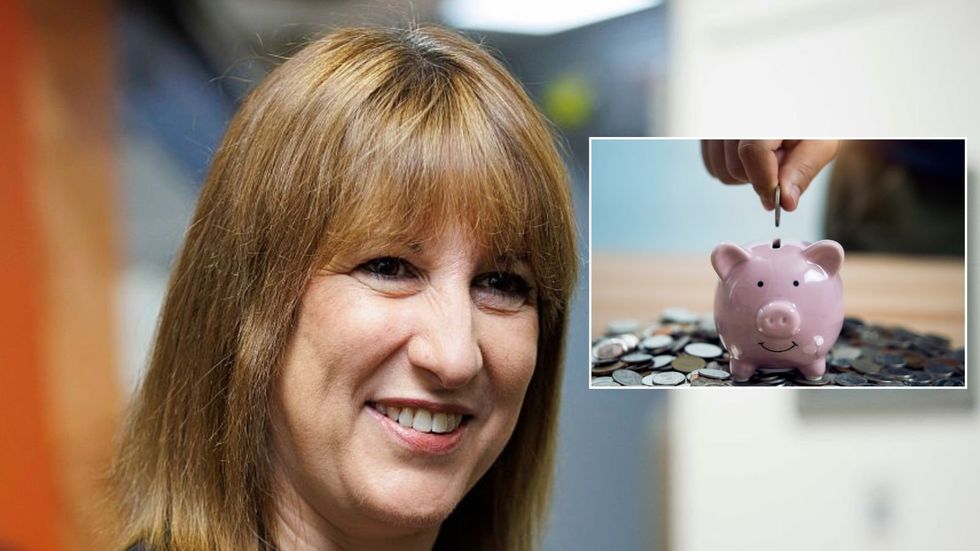 Rachel Reeves reportedly wants more cash which is sat in savings to be used productively in the equity market | GETTY
November also saw unusually strong inflows, with £5.1billion deposited compared with £2billion in November 2024.
Together, the final two months of 2025 accounted for more than £10billion of deposits, a surge Ms Suter described as “the Reeves effect”.
The renewed popularity of cash ISAs reflects broader shifts in the savings landscape.
Interest rates have risen significantly over the past three years, while the Personal Savings Allowance has remained unchanged for a decade.
LATEST DEVELOPMENTS
 Financial experts advise channeling savings over £12,000 into stocks and shares ISAs | GETTY
 Frozen income tax thresholds have pushed many savers into higher tax brackets, reducing or removing their allowance altogether.
“That’s all changed in the past three years, with almost 90 per cent of all the inflows to cash ISAs in the past decade coming in the last three years,” Ms Suter said.
For much of the previous decade, cash ISAs had fallen out of favour as low rates meant standard savings accounts often offered better returns.
That dynamic has now flipped.
In her Autumn Budget, the Chancellor confirmed that the cash ISA allowance will fall from £20,000 to £12,000 from April 2027 for savers under 65.
Those aged 65 and over will retain the full allowance.
The Treasury said the policy is intended to encourage investment in the stock market by redirecting billions currently held in cash into equities.
However, the immediate effect appears to have been the opposite.
The announcement prompted a surge in deposits as savers sought to maximise their allowances before restrictions take effect.
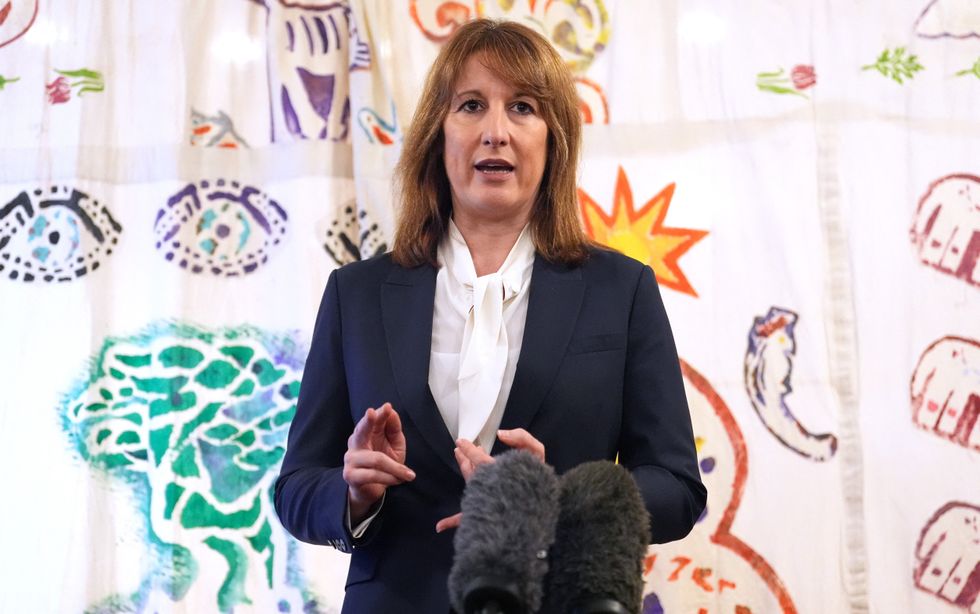
Savers feared the Chancellor would target their savings
| GETTYFinancial experts and MPs had warned that cutting the allowance would not drive people into equities, and early data suggests many savers are instead prepared to accept paying tax on interest rather than shift into riskier investments.
AJ Bell expects cash ISAs to remain popular throughout 2026, with many savers likely to continue maximising deposits ahead of the April 2027 deadline.
Research by the firm last year found that half of savers would move money into taxable accounts if the allowance is reduced, running counter to the Government’s stated objective.
Ms Suter said many savers are likely to build up ISA balances this year to reduce future tax bills, adding that the data shows caution remains the dominant force shaping saver behaviour.
More From GB News