









Experts have called on local authorities to take steps to decrease their use of diesel vehicles in their fleets and invest in environmentally friendly alternatives.
New data shows that most councils across London continue to operate diesel-intensive fleets, despite pressure to ditch such polluting vehicles.
More than two-thirds (71 per cent) of councils in the capital confirmed that diesel makes up the majority of their fleets, according to Freedom of Information requests.
The research, which was conducted by Impact on Urban Health, suggests that there are around 5,000 diesel vehicles operated by councils.
TRENDING
Stories
Videos
Your Say
In comparison, electric vehicles account for just one-in-five vehicles - or 21 per cent - despite frequent calls for petrol and diesel vehicles to be phased out.
The majority of councils across London already have plans to have their fleets be all-electric by a certain deadline, although experts have called for progress to be accelerated.
Despite this, some councils are going in the opposite direction by adding more diesel vehicles to their fleets.
The data found that Havering Borough Council has added 100 new vehicles to their fleet over the last five years, with all of them being powered by diesel.
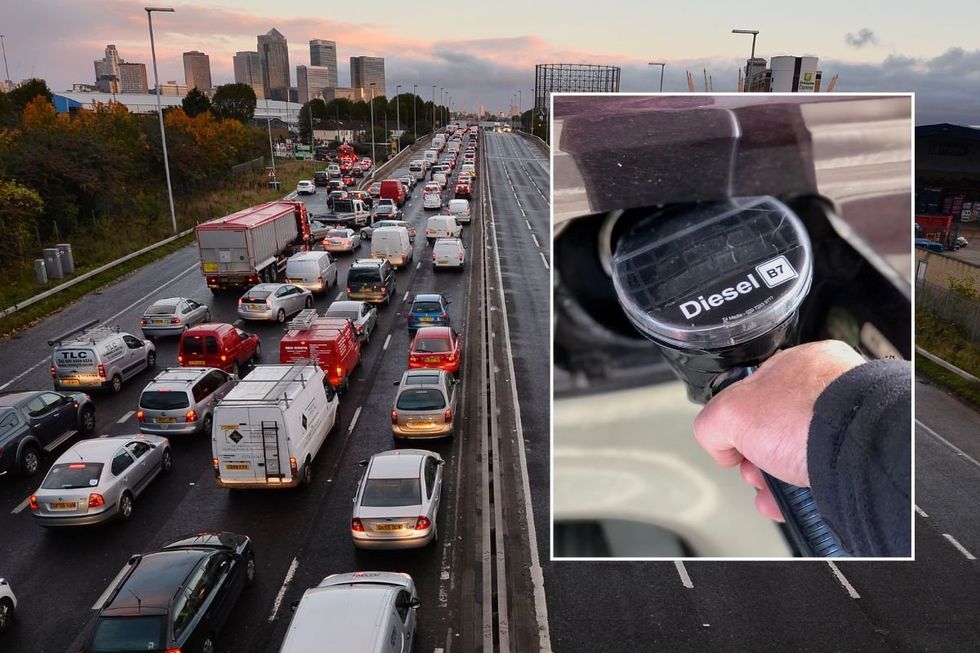
Experts are calling for London boroughs to use diesel vehicles less in their fleets
|GETTY
Hillingdon Borough Council was found to be the local authority with the highest percentage of diesel vehicles at a staggering 97 per cent.
This was closely followed by Richmond upon Thames (96 per cent), Bexley (95 per cent), Barnet (94 per cent), and Hounslow (94 per cent).
Ben Pearce, head of the health effects of air pollution programme at Impact on Urban Health, explained that many neighbourhoods across London had air pollution rates that were deemed to be dangerous.
He continued, saying: "London's councils are on the front line of delivering cleaner, healthier neighbourhoods, but too many are still operating fleets that add to the problem rather than help solve it.
LATEST DEVELOPMENTS

Many council fleets across London continue to use petrol and diesel vehicles
| PA"We recognise the financial and logistical pressures local authorities face, but the health consequences of inaction are stark. Public bodies should be leading this shift, not making matters worse."
However, some councils have made significant progress in transforming their fleet to accommodate more electric and low emission vehicles.
Almost nine in 10 vehicles belonging to Lewisham Borough Council are electric, with an impressive total of 88 per cent being zero emission.
Hammersmith and Fulham Borough Council also recorded a huge 82 per cent EV-split, before falling to 60 per cent of Westminster City Council.
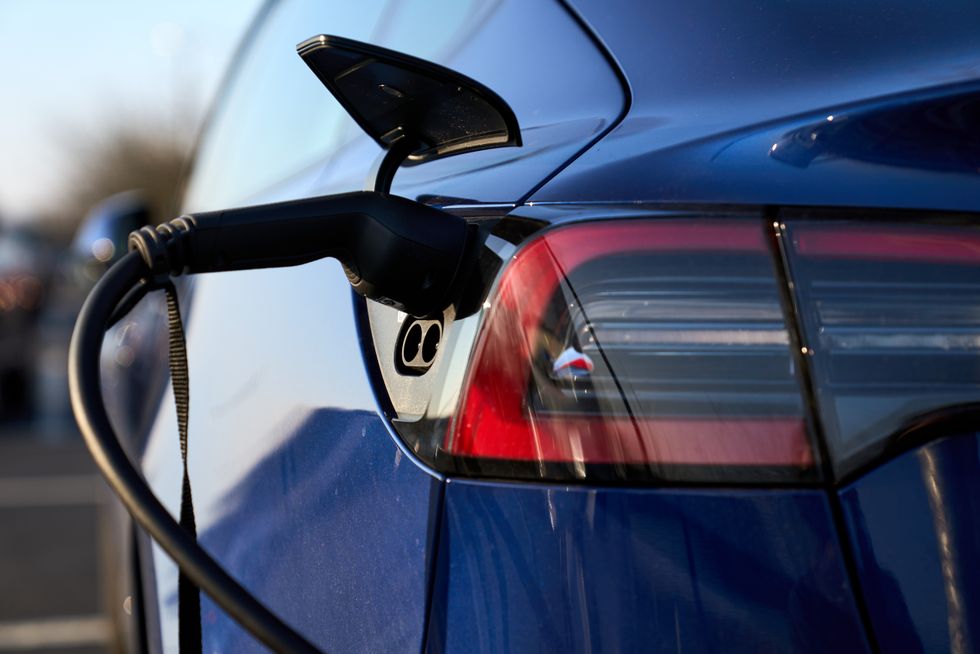
Lewisham Borough Council has the largest number of electric vehicles in its fleet of any London borough
| PAMr Pearce said that Lewisham Borough Council was proof that local authorities could make rapid changes to their fleets without relying on petrol and diesel vehicles.
"The challenge now is ensuring that all Londoners, regardless of where they live, can benefit from cleaner air equally. Councils must be supported to make the switch to cleaner vehicles," he added.
Impact on Urban Health has called on the Greater London Authority to introduce mandatory transparency requirements for London boroughs to improve air quality in their area.