








Labour Government ministers have reaffirmed their commitment to slashing the cash ISA allowance for savers under 65, which was confirmed by Chancellor Rachel Reeves during last year's Budget, despite warnings from parliamentary scrutiny.
Economic Secretary Lucy Rigby responded to Treasury Committee concerns in correspondence earlier this week maintaining that financial literacy remains central to Government priorities.
The committee had cautioned in October 2025 that reducing the tax-free savings threshold would be unlikely to push people away from traditional savings towards stock market investments.
The Chancellor subsequently confirmed during the November Budget that the annual limit would drop from £20,000 to £12,000 for millions of savers below retirement age.
The Chancellor's ISA changes are being defended by Labour ministers
|GETTY
Ms Rigby's letter signals the government remains unmoved by cross-party reservations about the policy's effectiveness. The Economic Secretary pointed to new regulatory measures as part of the government's strategy to boost investment participation among the public.
She said: "Targeted support will enable authorised firms to proactively suggest appropriate products or courses of action using limited information about a customer and their circumstances."
The Financial Conduct Authority (FCA) is set to introduce this framework from April 2026, allowing financial providers to offer personalised guidance to customers.
Ms Rigby also highlighted that Long Term Asset Funds will become eligible for inclusion within stocks-and-shares ISAs from the same month.
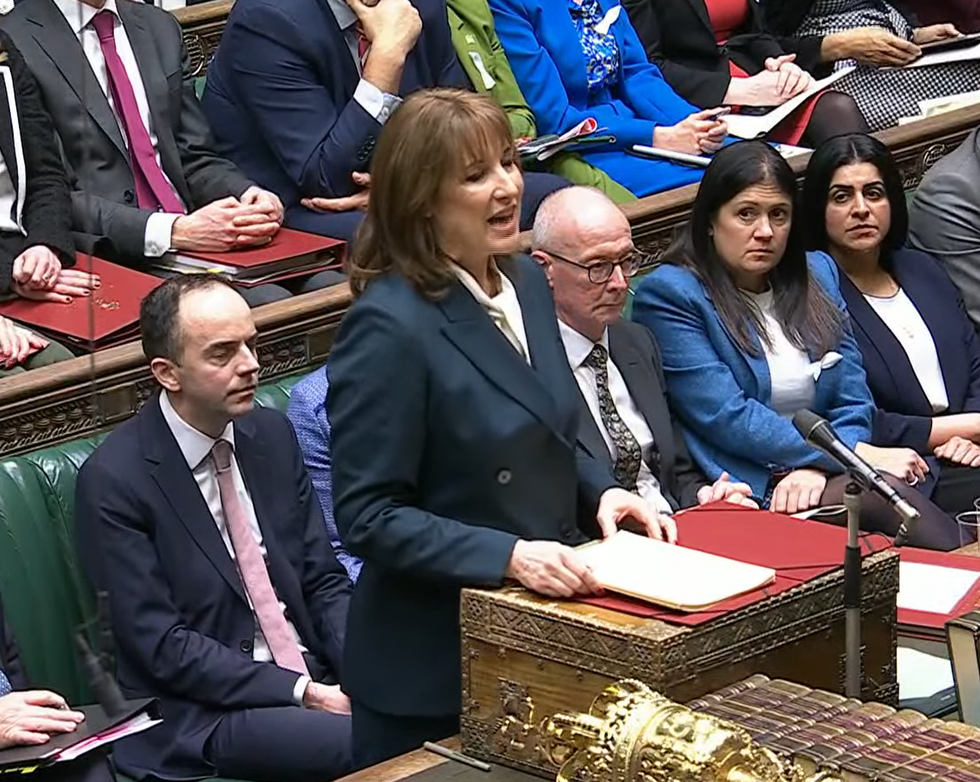 Rachel Reeves delivering the Budget | PARLIAMENT
She added: "In her proposed changes, the chancellor risks complicating the Isa landscape and confusing consumers."
The committee chair acknowledged the Government's position is now unambiguous but questioned how the policy would work in practice.
She added: "It is now clear where the Government stands on the issue. The next step is to see how this complex product will be delivered in the real world."
The policy shift prompted a significant rush to secure existing allowances before the Budget announcement.
Bank of England data shows savers deposited £5.1billion into cash ISAs in the weeks preceding November's fiscal statement, representing the largest surge outside the traditional April season in over a decade.
Cash ISA contributions made up 76 per cent of all deposits that month as households scrambled to maximise their tax-free entitlements.
Since Ms Reeves took office in July 2024, total ISA deposits have exceeded £73billion, potentially shielding savers from income tax liabilities of more than £368million.
Jeremy Cox, the head of Strategy at Coventry Building Society, said: :The thought of paying more tax than necessary on hard-earned savings is a strong incentive to open a cash ISA. It’s why these accounts have had enduring appeal with savers over decades – and it’s why we’ve seen a rush to save tax-free in November.
 ISAs are popular savings tools | GETTY
"We usually see a flurry of ISA deposits in March and April as people make the most of their allowances before the end of the tax year. Speculation that the cash ISA or tax-free pension limits would reduce prompted many to act sooner. We’re still expecting another strong ISA season this year, but it’s unlikely we’ll see another spike like this.
"While the Chancellor has confirmed that Cash ISA allowances for under-65s will fall to £12,000, savers still have time to maximise their allowances, with the full £20,000 cash limit remaining available this tax year and again before it reduces in April 2027.
"But it’s now more important than ever to protect savings within an ISA, particularly for younger savers – those over 65 retain the higher £20,000 limit for now.
"The further two per cent tax hike on savings interest and frozen income thresholds will drag more people into higher tax bands, where the Personal Savings Allowance is reduced or removed entirely."
More From GB News