










A prolonged war in the Middle East could trigger a recession, analysts have warned, as strikes on Qatar’s gas plant were branded “a serious escalation”.
Any hopes of the conflict calming have been dashed after attacks on Middle East energy sites. Israel bombed Iran’s South Pars gas field. And Iran responded by hitting multiple oil and gas targets across the Gulf yesterday night.
These included the critical Qatari Ras Laffan liqid natural gas (LNG) facility. UK natural gas prices spiked by more than 20 per cent on Thursday morning.
Oil jumped to $119 a barrel before falling back slightly to $113. Bank of England Governor Andrew Bailey said the Middle East conflict had pushed up global energy prices, with this already being seen at petrol pumps.
TRENDING
Stories
Videos
Your Say
Its Monetary Policy Committee now predicts a potential rise in inflation to 3.5 per cent in the third quarter. Analysts say the impact on the UK depends on the length of the conflict, with a lengthy war seeing inflation hit five per cent and a contraction in the economy as spending dries up. Defence Secretary John Healey said the best way of taking the pressure off world oil prices was “to see a de-escalation and an end to the conflict”.
But he said Iran’s attacks on energy sites were “a serious escalation”. Asked how bad the situation could get, Susannah Streeter, Chief Investment Strategist at Wealth Club, said things would get more painful the longer the war went on.
She said: “Recession is potentially on the cards – remember, the economy hardly grew in January. “If the conflict continues for a sustained period we are going to see people battening down the hatches to keep afloat. What we would want to see is greater investment and greater consumer spending, and I have got a feeling that’s not going to happen. I certainly think a contraction could be on the cards.”
She said Iran’s targeting of Ras Laffan could cause havoc with the markets. Qatari officials have said it could take up to five years to fully repair the plant.
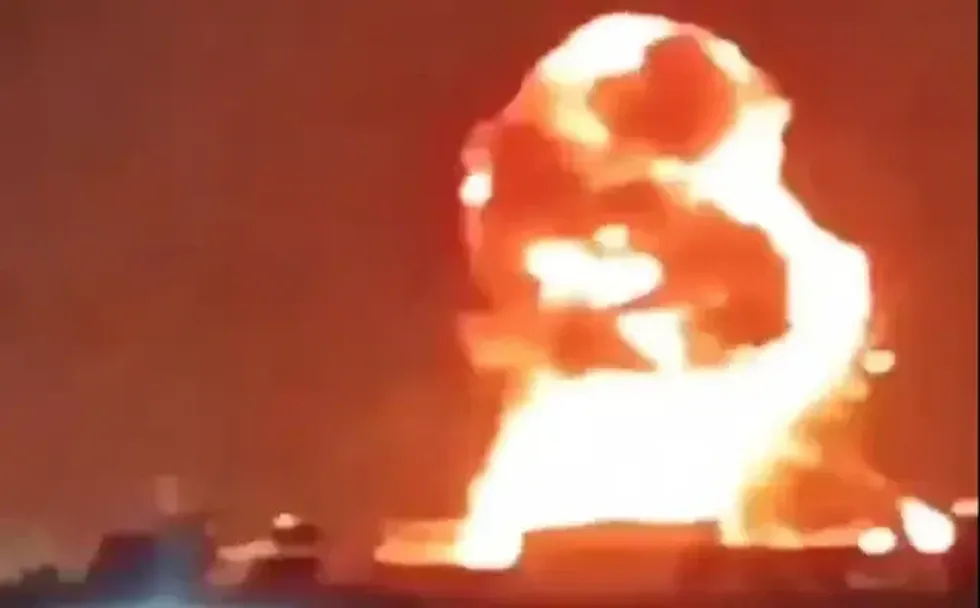
A prolonged Iran war could trigger recession
|X
“That has big implications,” she said. “It supplies around a fifth of the total LNG so we will see those countries heavily reliant on imports from Qatar being most affected. That’s the Asian markets. Countries like Bangladesh, Pakistan and India are likely to see immediate effects. The UK gets most of its gas from Norway, but it’s still heavily dependent on wholesale prices.
"Because there’s going to be a greater demand and those Asian countries will be trying to get their imported gas supplies, the gas price is going up. Iran is like a wounded bear and is lashing out at anybody it believes is even partly responsible for its predicament by supporting the US in any way. Iran is not going to go down without a fight.”
She said a prolonged conflict could see inflation hit five per cent. The real issue is whether we are likely to see a knock-on effect from energy prices to higher consumer prices – higher prices for goods and services.
"Then the issue will be whether we will see a further knock-on impact with higher wages, although that doesn’t look as likely because the economy is already struggling," she said.
LATEST DEVELOPMENTS
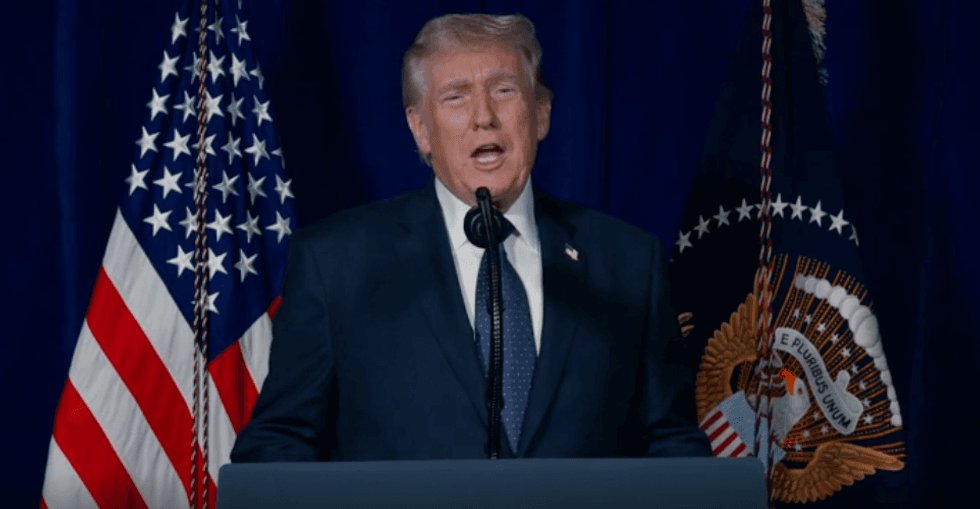
Donald Trump has said he 'knew nothing' of Israel’s strike
|TRUTH SOCIAL
Even if the war ended tomorrow, she said the UK would feel the effect, warning: “It’s going to be painful and it’s going to get more painful if it continues.”
Andy Mayer, energy analyst at the Institute of Economic Affairs, said if the estimate of three to five years to repair Ras Laffan proved accurate, it would lead to sustained disruption and higher prices, particularly for the UK, European and Asian LNG markets. He said a formal statement was needed from Qatar after a full damage assessment.
However, he warned: “For UK energy consumers this unwelcome news is likely to translate into sustained higher bills, with no credible plan for relief from domestic sources and limited government scope to offset the costs, given the state of the public finances.”
Defence experts warned the Israel attack on South Pars had sent a signal that energy was “fair game” in the conflict. President Donald Trump has said he “knew nothing” of Israel’s strike and that he did not want to authorise “this level of violence and destruction”.
He also pledged to “massively blow up the entirety” of Iran’s South Pars gas field if the nation attacks Qatar’s facilities again. Israeli officials have claimed that the attack on the energy facilities was co-ordinated with the United States.
Dan Marks, Research Fellow for Energy Security at the Royal United Services Institute, said: “South Pars is globally significant. I think it was a huge escalation, and it signals to Iran that energy is fair game. Previously, Iran and the US have danced a dance around energy – it didn’t escalate. But the situation we are in now is quite different.”
He said further attacks on oil and gas facilities were possible, explaining: “Iran won’t want to do it, but they will do if it means the regime survives. There is an endless amount of trouble a country of 90 million people can cause in a region that has most of the world’s energy.
"Iran’s capabilities are degraded but they have proxies, and those proxies have used terrorist tactics before. The strike wasn’t helpful for anybody and it wasn’t helpful for ending the conflict. Attacks on infrastructure had been limited. The thing with this war is that it has the potential to grow and grow – it can be as expansive as the participants choose.”
He added the South Pars tactic had little chance of success. He explained: “The idea was that the Iranian power system is dependent on gas. - ‘we need the regime to fall so we will put pressure on them by hitting the gas infrastructure’. But I don’t think that will work. The Iranian people are not going to be rising up because, now the power’s out, they are going to go out to protest.”
He said “it could take months, or even years” to repair the infrastructure and warned that de-escalating the war could be difficult. He said: “The question that is being asked it what is the incentive for Iran to de-escalate? There’s an assumption that if the US wanted to, they could turn around and say ‘we have achieved our war aims, we are off now’, and everybody just goes home.
“But the US and Israel went in 100 per cent. They killed the leader on the first day. There’s the question of to what extent does Iran want to punish the US and deter future aggression? It might be that Trump says he’s off and Iran makes a symbolic strike on something and says we are done too.
"But it could equally be that President Trump says we are done, we are off, and Iran might say ‘you can’t just come in and kill our leader... the Strait is still closed’, and Trump finds he can’t leave. The US can’t want this to go on for too much longer because of the energy price consequences. “But if they want to scale down, does Iran play ball and does Israel play ball? That’s the fundamental question.”
Our Standards: The GB News Editorial Charter
More From GB News