







Millions of Netflix and Amazon Prime subscribers could be required to pay the BBC licence fee under Labour proposals aimed at securing the corporation’s long‑term funding.
Ministers are increasingly leaning towards retaining the licence fee but expanding it to cover streaming platforms.
The shift would bring households which no longer watch traditional television into the funding system for the first time.
Labour is said to be wary of moving the BBC to either a subscription‑based model or one funded through advertising, fearing both could weaken its public‑service remit and destabilise the wider broadcasting sector.
The BBC has warned it faces a future of “managed decline” without reform.
While around 80 per cent of the population pays the licence fee, the broadcaster says 94 per cent still use its services each month.
Its income has fallen by around a quarter over the past decade, prompting a £500million cost‑cutting programme expected to remove roughly 2,000 jobs over the next two years.
The annual licence fee rose to £180 in April.
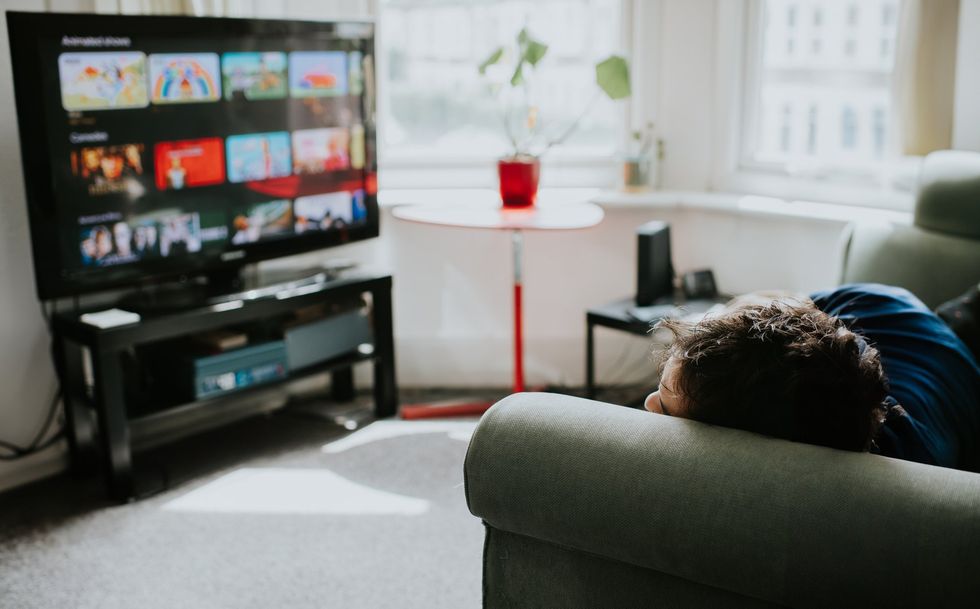
Netflix and Amazon Prime users could face BBC licence fee under new proposals
|GETTY
According to The Times, BBC executives argue widening the number of contributors could eventually reduce the cost per household.
Culture Secretary Lisa Nandy has previously expressed caution about shifting fully to subscriptions.
“It is absolutely right that we explore subscriptions,” she said, “but if you believe, as I do, that one of the BBC’s greatest strengths is its ability to unite the nation, then you’ve got to be cautious about the use of subscriptions and paywalls”.
Ministers are also concerned that allowing the BBC to carry advertising could damage commercial broadcasters such as ITV and Channel 4, which are already under financial pressure.
LATEST DEVELOPMENTS:
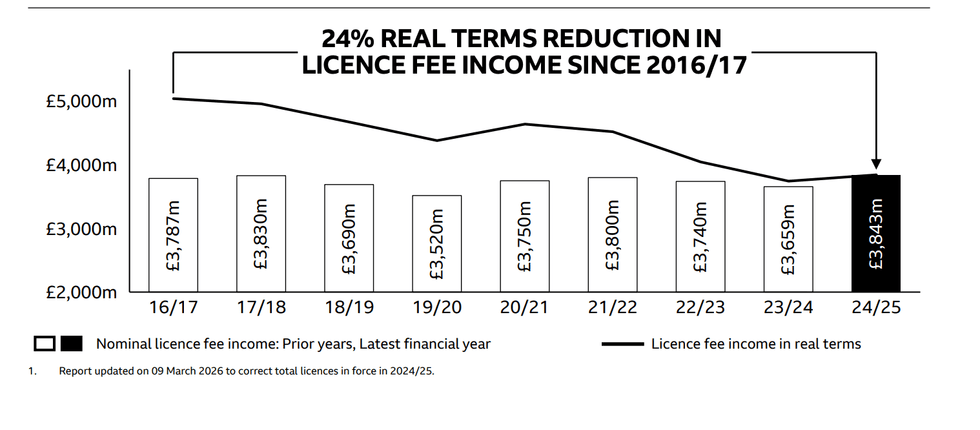 The BBC's real-terms income from the licence fee has dropped by 24 per cent since the current Charter period began | BBC
 The BBC itself rejected both subscription and advertising‑funded alternatives in its response to Labour’s green paper on its future.
Streaming companies have criticised the reported plans.
“It’s pretty desperate to argue that everyone should be made to pay for the BBC whether they watch it or not,” one industry source said, adding that the corporation should “think more radically and creatively” about generating income without undermining universal access.
Current rules already require a TV licence for watching live broadcasts on streaming platforms, including live boxing on Netflix or Champions League football on Amazon Prime.
The BBC has acknowledged that many viewers are unaware these rules already apply.
The Department for Culture, Media and Sport declined to comment directly on the proposals.
A spokesman said Labour would set out its conclusions on the BBC’s future funding arrangements in a white paper later this year.