







HM Revenue and Customs (HMRC) refunded £46.26million to pensioners who were overtaxed on pension withdrawals during the final quarter of 2025, according to newly published figures.
The repayments were issued between October and December and related to excessive tax deductions applied when retirees accessed their pension savings.
HMRC said it processed 13,652 repayment claims during the three month period, compared with 14,612 in the same quarter a year earlier.
Despite the reduction in claims, the average repayment remained broadly unchanged. HMRC figures show the typical refund stood at £3,388, compared with £3,389 during the final quarter of 2024.
TRENDING
Stories
Videos
Your Say
Industry experts said the figures highlight a persistent issue affecting pension savers each year. Jon Greer, head of retirement policy at Quilter, said the problem continues to create disruption for retirees accessing their savings.
Mr Greer said, “While the number of claims has fallen slightly, the average amount refunded has barely shifted.”
The issue arises from the way tax is applied to first time pension withdrawals.
When an individual takes a taxable lump sum from their pension for the first time, HMRC typically applies a month one emergency tax code.
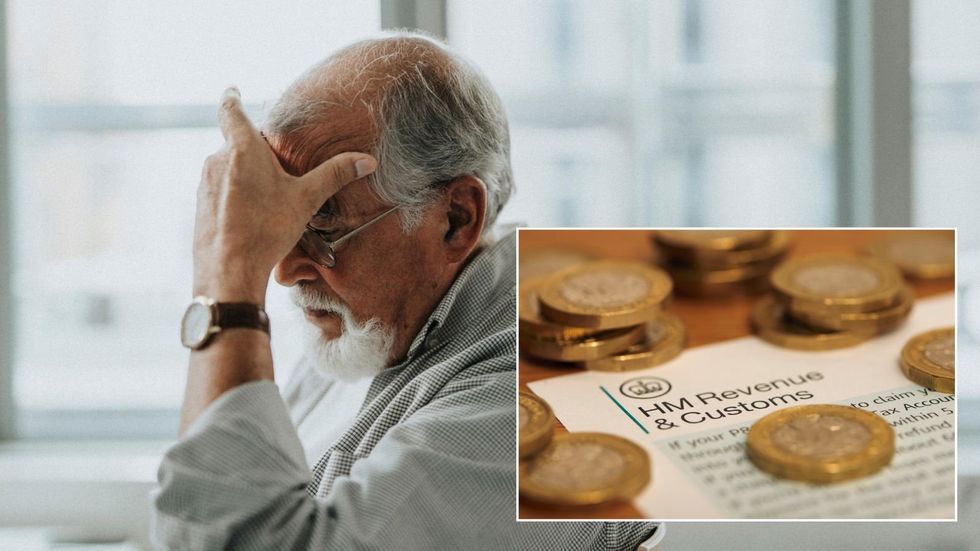
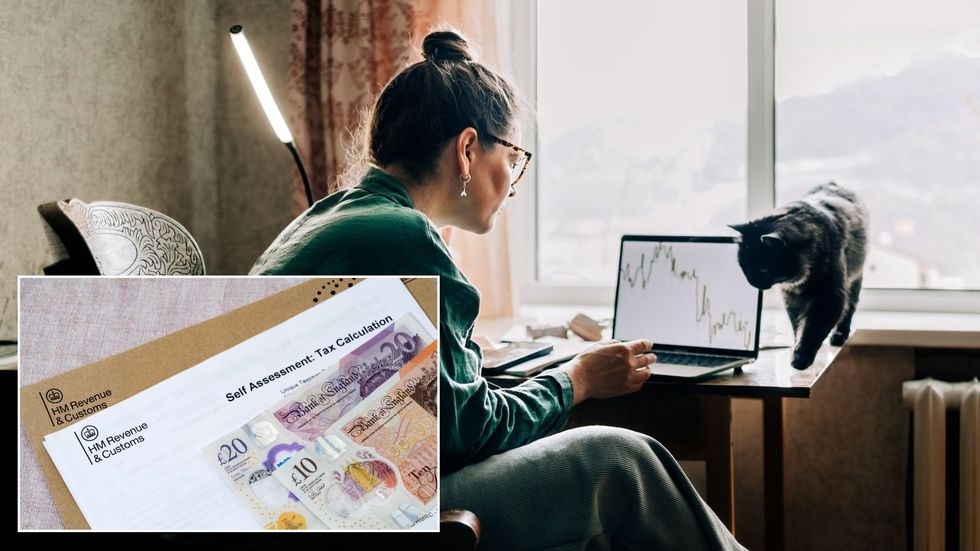
Thousands reclaimed overpaid tax on pension withdrawals in final quarter of 2025
|GETTY
This method assumes the payment will be repeated every month for the rest of the tax year.
A single withdrawal of £10,000, for example, is treated as if the individual will receive £120,000 in annual income, which can result in a significantly higher tax deduction than is ultimately owed.
Emergency tax codes are applied automatically when pension providers do not hold up to date tax code information for a customer. HMRC said this situation commonly arises when individuals access their pension for the first time.
People with defined contribution pensions can usually begin accessing their savings flexibly from the age of 55. Savers can take up to 25 per cent of their pension pot as a tax free lump sum, with the remaining 75 per cent subject to income tax when withdrawn.
LATEST DEVELOPMENTS
People with defined contribution pensions can usually begin accessing their savings flexibly from the age of 55
| GETTYAlternatively, individuals can make multiple withdrawals, with each payment made up of 25 per cent tax free and 75 per cent taxable.
Tax on pension income is collected through the pay as you earn system, with providers deducting tax on behalf of HMRC.
Problems occur because pension providers often do not have the correct tax code for customers making an initial withdrawal, leading to emergency codes being applied by default.
HMRC allows those who have been overtaxed to reclaim their money without waiting until the end of the tax year. Three specific repayment forms are available through the gov.uk website, depending on an individual’s circumstances.
The P55 form applies to those who have taken part of their pension but have not set up regular withdrawals. The P53Z is used by people who have emptied their pension pot but continue to receive other taxable income.

HMRC said it is working to identify individuals receiving regular pension income
| GETTYIndividuals who have fully withdrawn their pension and have no other taxable income should complete the P50Z form.
While refunds can be claimed, the process can still be administratively burdensome. Some advisers suggest making a smaller initial withdrawal to reduce the risk of large emergency tax deductions.
Mr Greer said the underlying issue lies with applying a system designed for regular employment income to one off pension withdrawals.
He said, “Every quarter we see thousands of pensioners penalised for accessing their own savings.” Mr Greer added, “PAYE was designed for regular earnings, not ad hoc pension withdrawals, and retirees continue to face unnecessary administrative hurdles.”
HMRC said it is working to identify individuals receiving regular pension income more quickly so tax codes can be updated sooner. The tax authority said the issue remains under review.
More From GB News