





The Chancellor’s decision to extend the freeze on income tax thresholds will have a greater impact on middle earners than on some of the highest-paid workers, new analysis has shown.
An individual earning £48,000 a year will pay an additional £603.50 in tax by 2031, when the threshold freeze is due to end.
Professions including police officers, senior teachers and nurses are among those most affected by the extended freeze, Institute for Fiscal Studies (IFS) research found.
By contrast, someone earning £150,000 annually is expected to pay £393.59 more over the same period, according to the IFS calculations.
The findings come despite repeated claims from the Chancellor, Rachel Reeves, that the Government’s tax policies are designed to fall most heavily on those with the “broadest shoulders”.
TRENDING
Stories
Videos
Your Say
The IFS said its analysis shows that the largest cash increases in tax liabilities fall on middle-income earners rather than on those at the top of the income distribution.
The freeze on income tax thresholds was the single biggest revenue-raising measure announced in the Budget, according to the watchdog’s assessment.
Shadow Chancellor Sir Mel Stride criticised the policy, arguing that it contradicts claims made by the Chancellor about who would bear the burden of higher taxes.
"Rachel Reeves is trying to pull the wool over Britain’s eyes.
"She said the wealthiest would contribute the most, but the biggest tax rise in her Budget was a stealth tax which hits middle earners the hardest.
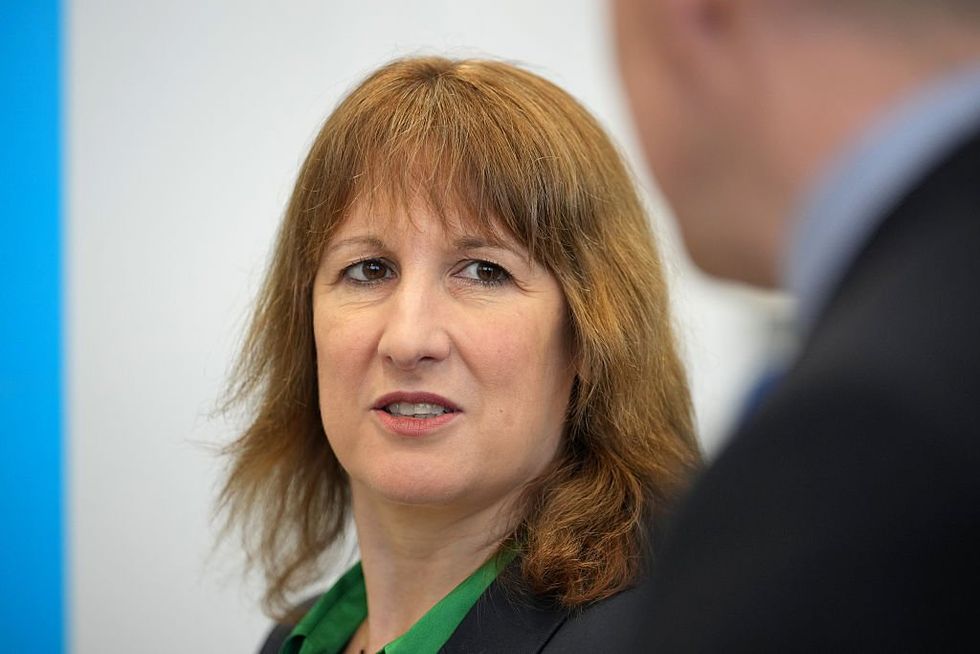
Ms Reeves criticised the Conservatives while in Government for using fiscal drag to “pick the pockets” of working people
|GETTY
"This isn’t economic necessity, it’s a choice, with working people’s pay packets being raided to fund Labour’s decision to increase the benefits bill."
Sir Mel also criticised the Government’s wider approach to taxation and public spending.
He added: "Rachel Reeves wants to pretend she is protecting working people, but in reality she is punishing them".
The IFS analysis examined the effect of the threshold freeze across a range of income levels over the full duration of the policy.
LATEST DEVELOPMENTS:
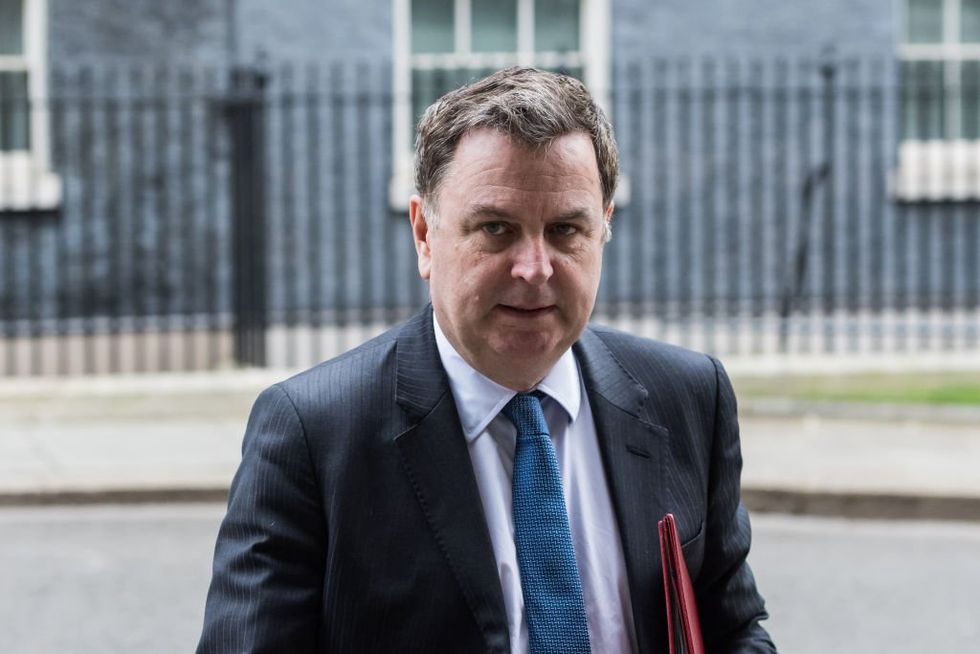
Sir Mel has called for the Chancellor to resign
|GETTY
Workers earning £46,000 a year are expected to face an annual tax increase of £410.46 by the time the freeze expires.
Lower earners are also affected, with individuals on £12,000 a year projected to pay an extra £220.15.
The IFS noted that this increase represents a higher proportion of income for lower-paid workers than for those earning significantly more.
The Treasury has defended the policy by pointing to its own distributional analysis published alongside the Budget.
That assessment suggests the wealthiest ten per cent will bear the greatest overall burden once all tax and spending measures are taken into account.
The Treasury's analysis includes policies such as the introduction of a mansion tax alongside changes to income tax thresholds.
However, the IFS said the threshold freeze continues to push more people into higher tax bands through fiscal drag.
The policy was first introduced in 2022 under then-Chancellor Rishi Sunak as a temporary four-year measure following the pandemic.
Jeremy Hunt later extended the freeze by a further two years while serving as Chancellor.
While in opposition, Ms Reeves criticised the approach, arguing it amounted to “picking the pockets” of working people.
At her first Budget in 2024, the Chancellor ruled out extending the policy further, saying it would hurt working people and breach Labour’s commitment not to raise income tax.
The freeze was nevertheless extended by three years in the November Budget, meaning thresholds will now remain unchanged until 2031.
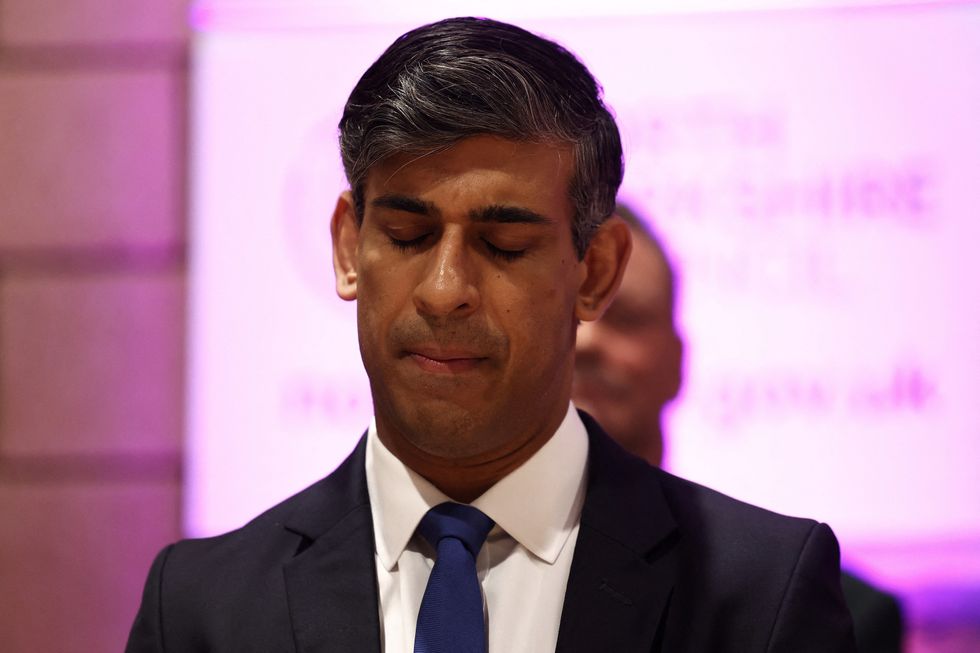
Rishi Sunak first introduced the policy
| REUTERSThe IFS estimates that around 5.2 million lower-paid workers will be brought into the income tax system for the first time as a result.
It also estimates that about 4.8 million middle earners will be pushed into paying the higher 40p rate of income tax.
The watchdog said the cumulative impact of the nine-year freeze significantly increases the number of people paying more tax without changes to headline rates.
The Government has said it will continue to monitor the impact of the policy as part of its broader approach to managing the public finances.
More From GB News