










A think tank founded by former Prime Minister Tony Blair is urging the Labour Government to introduce an "emergency handbrake" to bring down Britain's ballooning benefits bill.
In a new report published today, the Tony Blair Institute (TBI) warns that Department for Work and Pensions (DWP) expenditure on working-age health and disability benefits could balloon to approximately £73billion by the close of the decade without swift intervention.
Such a figure would rival defence spending and force difficult choices in how the government allocates resources to national priorities.
The proposals arrive as the Work and Pensions Secretary pursues an ongoing review of the benefits system, with TBI positioning its recommendations as a practical contribution to that reform agenda.
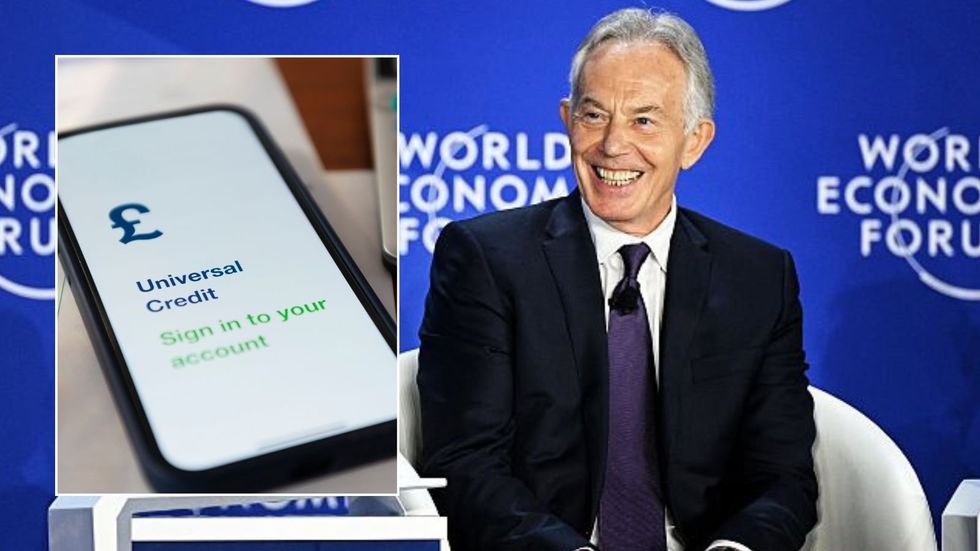
The Tony Blair Institute is calling for action to be taken to bring down Britain's benefits bill
|GETTY
The report introduces a new classification of "non-work limiting conditions" that would render claimants ineligible for cash payments. Mild depression and generalised anxiety are among the conditions TBI believes should fall into this category.
Ryan Wain, the senior director of Policy and Politics at TBI, said: "Fundamental welfare reform is now firmly on the Government's agenda. But we live in a world where up to 1,000 new claimants are entering the system every day."
He added that an emergency handbrake "would see proliferating conditions such as mild depression and generalised anxiety classed as non-work limiting" and would "free up resources for better mental health support."
TBI stresses that its proposals aim to redirect support rather than simply cut access to benefits.
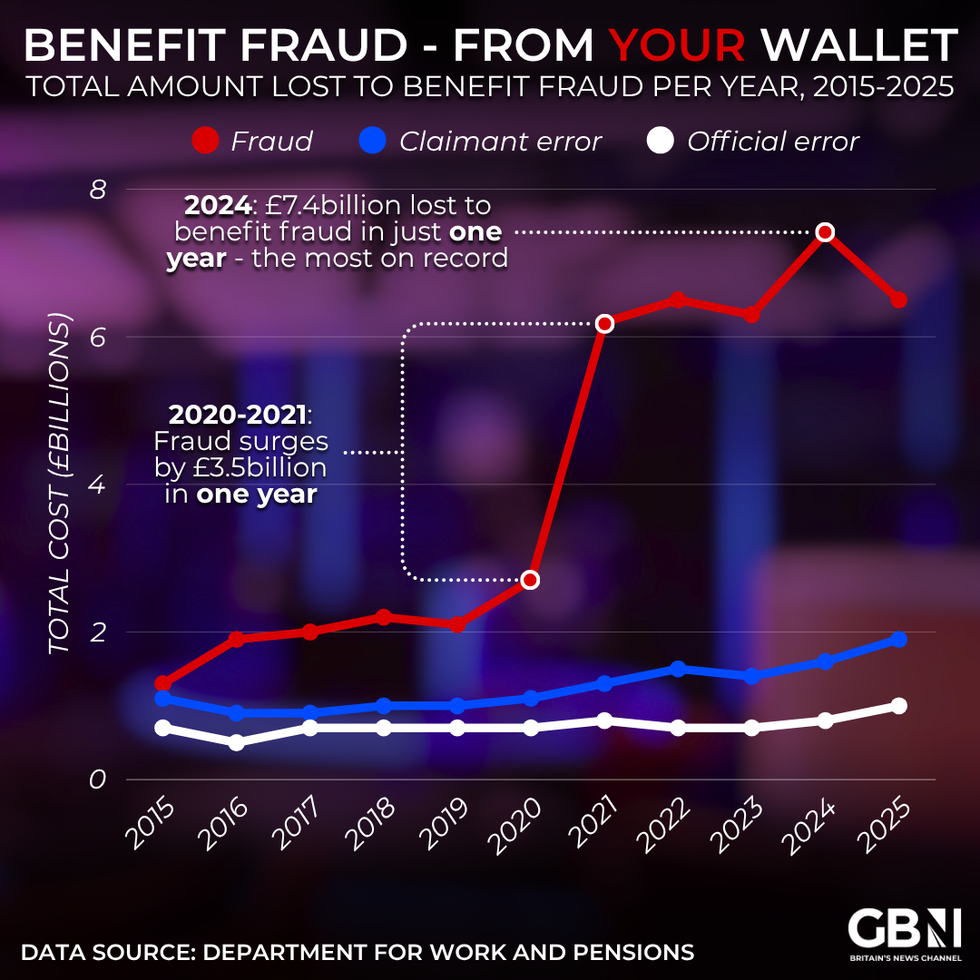 Benefit fraud - from your wallet: Total amount lost to benefit fraud per year | GB NEWS
LATEST DEVELOPMENTS
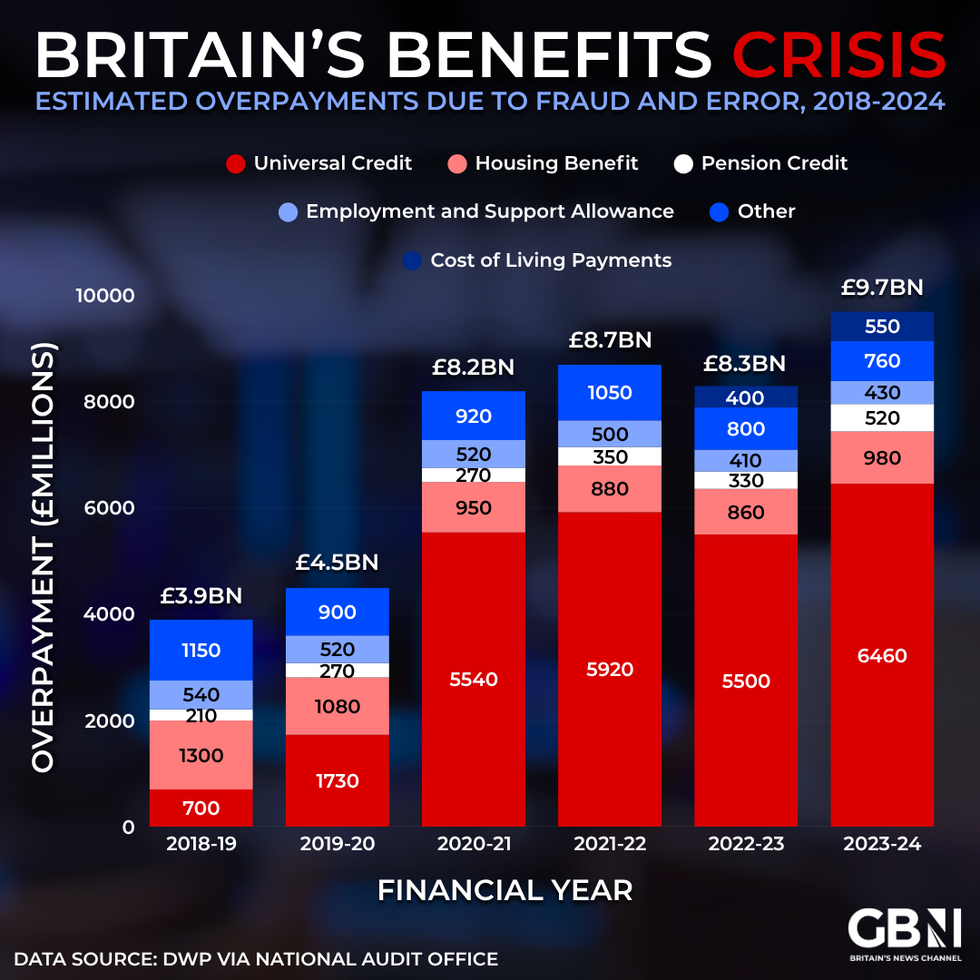 Figures from the DWP via the National Audit Office show billions of pounds in benefit overpayments are made each year | GB News
YouGov polling commissioned for the report indicates public backing for this approach, with nearly half of respondents saying too many conditions are currently deemed work-limiting, compared with fewer than one in ten who believe too few are included.
Dr Charlotte Refsum, TBI's Director of Health Policy and a former GP, said: "The system is drawing too many people into long-term dependency for conditions that are often treatable and compatible with work."
These include requiring every claimant to obtain a formal diagnosis before applying for benefits and raising the bar of evidence needed to qualify for long-term incapacity support.
TBI also calls for the restoration of more frequent and rigorous reassessments alongside strengthened decision-making processes throughout the system.
 Sir Tony Blair is on Mr Trump's board | PA
Any savings generated would be ploughed back into treatment services and employment support programmes.
The think tank concludes that these measures would act as an immediate brake on welfare expenditure while helping to shift public spending towards longer-term national priorities.
Under forecasts, the UK is set to spend £333.7billion on the social security system in 2025–26. Total GB welfare spending is forecast to be 10.6 per cent of GDP and 23.6 per cent of total Government spending.