










Britain ranks among the ten least financially disciplined countries in the world despite being one of the largest global economies, according to new international research.
Analysis by investment platform BrokerChooser found the UK performs poorly on key measures of saving and investing when compared with other developed nations.
Britons save just 4.74 per cent of household income on average, placing the country near the bottom of the global rankings.
Only 4.48 per cent of household financial assets in the UK are held in investment funds, the research found.
TRENDING
Stories
Videos
Your Say
BrokerChooser said the findings are particularly striking given the relative wealth of British households.
UK households hold average financial assets worth $140,974 (est £105,731), the highest level among all countries in the bottom ten for financial discipline.
The research suggests much of this wealth is held in cash, property or low-yield savings products rather than being invested for long-term growth.
Separate data from savings provider Scottish Friendly highlights the extent of Britain’s reliance on cash.
Its research shows 42 per cent of UK adults hold all their wealth in cash.
A further 15 per cent keep most of their wealth in cash, with little exposure to investments.

Britain ranks among ten least financially disciplined nations despite being major global economy
|GETTY
Despite this, nearly three-quarters of respondents said they understand that holding large amounts of cash over the long term could leave them financially worse off.
Scottish Friendly said the most common reason for holding cash is the desire for quick access to money.
Leading the way, 39 per cent of respondents cited easy access as their main motivation.
Fear of potential losses was cited by 38 per cent, while 34 per cent said a lack of trust in financial markets influenced their decision.
Kevin Brown, savings specialist at Scottish Friendly, said many savers struggle to move beyond cash even when they understand the risks.
"People in the main understand the risks of keeping their savings in cash over the long term but they nonetheless cannot make the leap to invest."
LATEST DEVELOPMENTS
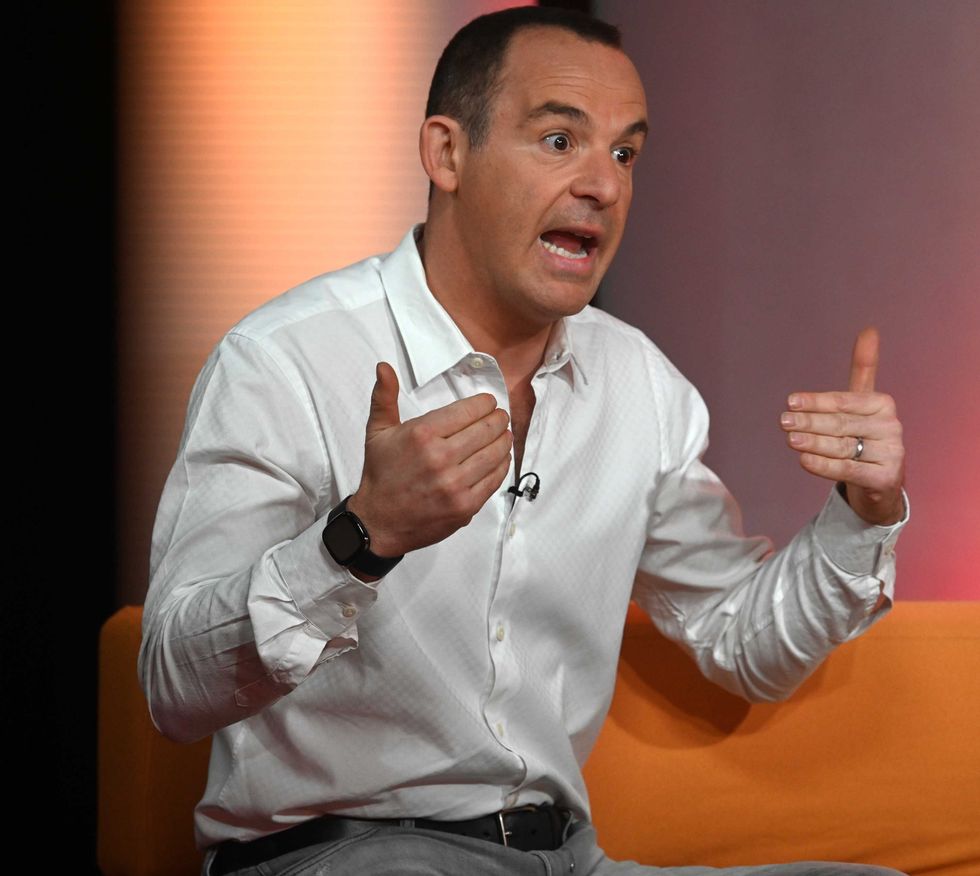
Martin Lewis has been among the leading voices trying to get personal finance management and literacy skills taught in the British curriculum
| gbnewsHe added: "The result is they are making themselves poorer."
The research also reveals significant differences between generations.
Baby Boomers are the most cautious group, with 56 per cent holding all their wealth in cash.
Among Generation X, the figure falls to 44 per cent.
For Millennials, 25 per cent keep all their wealth in cash, while the figure drops to 21 per cent for Generation Z.
Levels of trust in financial markets also vary by age group.
Four in ten Baby Boomers said they do not trust the stock market.
By contrast, fewer than a quarter of Generation Z respondents expressed the same level of distrust.
The data also highlights a gender gap in attitudes towards investing.
Women are more likely to cite fear of losses as a barrier to investing, with 44 per cent raising this concern compared with 33 per cent of men.
Men are slightly more likely to say they distrust financial markets, at 35 per cent compared with 33 per cent of women.
Scottish Friendly said Millennials are the most likely group to combine investing with holding cash.
Many in this age group invest some money while keeping the majority of their savings in cash.
BrokerChooser said a range of factors help explain Britain’s low saving and investing rates.
Rising living costs, particularly for housing, energy and childcare, have reduced the amount many households feel able to set aside.
The firm said that even households with relatively strong incomes often report little disposable income left at the end of each month.
A lack of confidence around investing was also identified as a major factor.
BrokerChooser said many people still view investing as complex or risky, with previous market downturns shaping attitudes.
Limited financial education beyond workplace pensions was also highlighted as a contributing issue.
Adam Nasli, head broker analyst at BrokerChooser, said improving financial habits does not require dramatic changes.
He said building consistent habits such as setting clear goals, automating savings and diversifying investments can improve outcomes over time.
The contrast with higher-performing countries is marked.
Swiss households save an average of 17.48 per cent of their income, according to BrokerChooser.

Changes in the ISA allowances were designed to push people into investing
| GETTYCountries such as Sweden, Germany and Canada combine higher saving rates with more active participation in investment markets.
Long-term performance data further highlights the impact of different approaches.
According to Moneyfacts, Cash ISAs have delivered an average annual return of 1.79 per cent since 2010.
Over the same period, Stocks and Shares ISAs returned an average of 6.79 per cent per year.
Inflation averaged 2.92 per cent over that timeframe, meaning cash savings lost value in real terms.
The research suggests Britain’s challenge is not a lack of household wealth, but how that wealth is managed and deployed.
More From GB News