




Coffee prices are unlikely to fall any time soon, according to the boss of Caffe Nero, despite hopes that easing production costs could bring relief to consumers.
Gerry Ford said customers waiting for cheaper takeaway coffee should not expect price cuts even if inflationary pressures across the supply chain begin to ease.
He explained that businesses rarely reduce prices when costs fall, instead choosing to delay future increases rather than reverse previous rises.
"You typically don't have cuts," he said.
"What you have is you don't have the same inflation, so instead of thinking 'I'll put up my prices now six months after the last one', it might instead be 18 months."
TRENDING
Stories
Videos
Your Say
Mr Ford added: "By and large, if costs come down, then [coffee shops] just won't increase the prices for a longer length of time".
The comments come as the UK coffee market faces what industry figures have described as an era of £5 coffee, with prices rising sharply across major high street chains.
Global arabica bean prices have increased by more than 20 per cent so far this year, following a surge of around 70 per cent in 2024.
Adverse weather conditions in key producing regions have been a major factor behind the sustained increase in costs.
Brazil, the world's largest coffee producer, has suffered another disappointing harvest after severe drought conditions during the summer growing season.
Between 2021 and early 2024, average high street coffee prices rose by around 30 per cent, according to industry data.
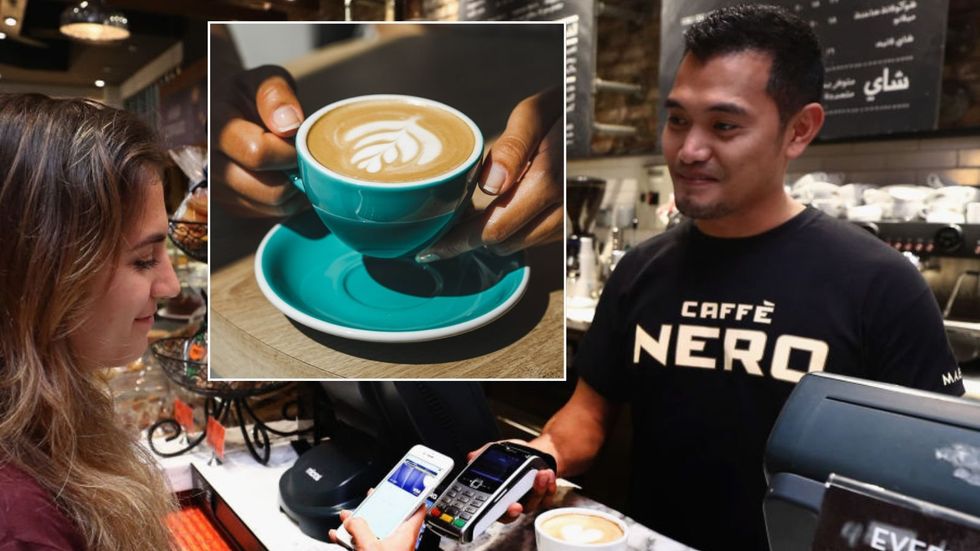
Coffee prices unlikely to drop soon says Caffe Nero boss despite easing costs
|GETTY
By October 2025, the average price of a café-bought coffee reached £3.36, compared with £3.21 a year earlier.
Coffee inflation is currently running at 14.2 per cent, significantly higher than wider food and drink price increases.
Prices at major chains such as Starbucks, Costa Coffee and Pret A Manger reflect the pressure on consumers.
A Tall Americano at Starbucks typically starts at around £3.20, while more premium drinks cost considerably more.
A White Chocolate Mocha is priced at £5.45, while an Iced Caramel Macchiato costs around £5.10.
Some Frappuccino drinks are now priced between £5.55 and £8.35, depending on size and customisation.
LATEST DEVELOPMENTS
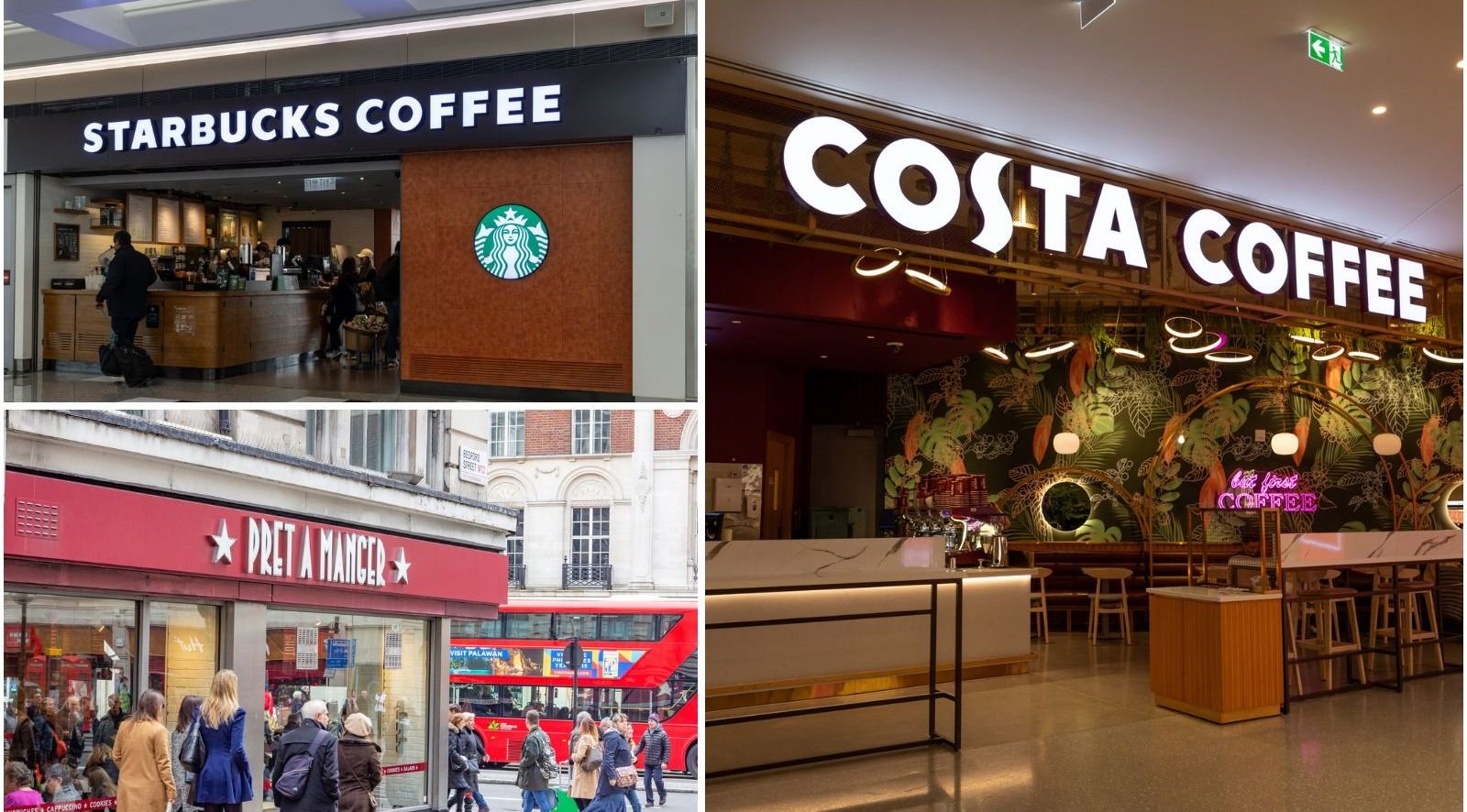
Prices at the major high street brands reflect industry pressure
|GETTY
Customisable drinks and larger servings frequently exceed the £5 mark, making higher prices increasingly common rather than exceptional.
Industry figures say the rising cost of coffee is being driven by a range of pressures beyond raw materials.
Jack Scott-Paul, senior brand manager at Taylors of Harrogate, said the category has been heavily affected by inflation across the supply chain.
He said arabica bean prices have risen by more than 50 per cent over the past year alone.
"Cost pressures are coming from multiple directions – rising shipping and storage costs, increasing labour costs, broader macro-economic factors and, significantly, climate change, which is having a growing impact on farming communities and yields".
Labour costs have also risen sharply, adding to the financial strain on café operators.
The national minimum wage increased to £11.44 in 2024 and is due to rise again to £11.89 in 2025.
Supply chain disruption has further compounded the problem, particularly delays and higher costs linked to shipping routes.
Freight costs for some coffee imports quadrupled last year following disruption to shipping through the Suez Canal.
Climate volatility continues to affect major coffee-growing countries, with Brazil experiencing drought conditions and Vietnam facing increasingly erratic rainfall.
Rising prices are also influencing consumer behaviour across the UK coffee market.
More consumers are choosing to brew coffee at home or switch to own-label products sold in supermarkets.
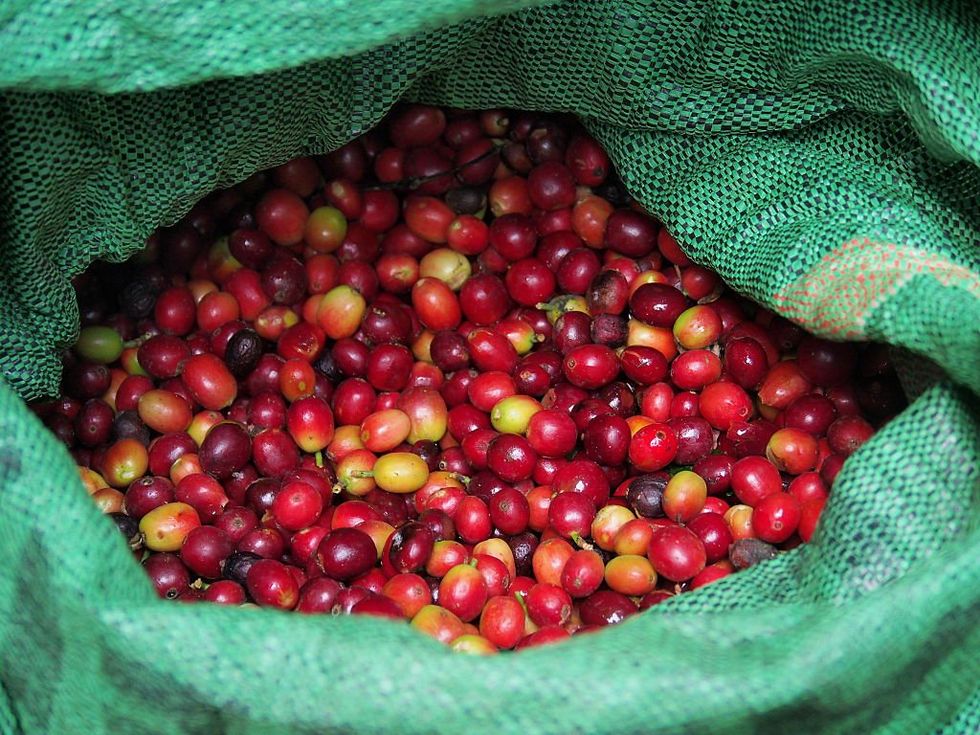
Freshly harvested coffee beans
|GETTY
Own-label coffee now accounts for 43.8 per cent of ground coffee sales, up from 40.9 per cent previously.
Instant own-label coffee has also increased its share, rising to 29.1 per cent from 28.5 per cent.
Consumer satisfaction with value for money at branded coffee chains fell by nine per cent in 2024.
The average spend per visit to coffee shops dropped by four per cent over the same period.
Maria Kabalyk, UK head of category at JDE Peet's, said higher prices are changing customer expectations.
"Consumers want to recreate their favourite coffee shop orders at home, and they want a bit of indulgence, but it needs to be convenient and at the right price point."
More From GB News