







Rachel Reeves has been accused of turning her back on petrol and diesel drivers after unveiling plans which risk leaving millions paying higher car taxes.
Under proposals in the Finance Bill, the Chancellor intends to raise the Expensive Car Supplement threshold from £40,000 to £50,000, but only for zero emission vehicles.
The move means drivers buying petrol, diesel, or hybrid cars costing more than £40,000 will continue to be hit with the additional charge, while those purchasing electric vehicles priced up to £50,000 will avoid it altogether.
The otherwise known as "luxury" car tax currently stands at £425 a year but is set to rise to £440 from April and is payable for five years on top of standard Vehicle Excise Duty rates.
TRENDING
Stories
Videos
Your Say
Conservative MPs have warned that the policy unfairly penalises drivers who are not ready or able to switch to electric vehicles, particularly drivers relying on hybrid cars as a transition away from petrol and diesel.
Speaking during the Finance Bill Committee debate this week, Conservative MP James Wild criticised the decision to exclude hybrids.
"The Government now seem to have decided that hybrids no longer warrant support, despite the fact that they are critical in bridging the transition to fully electric vehicles," he told MPs.
The MP for North West Norfolk also questioned the impact on British jobs, highlighting that many electric vehicles sold in the UK are imported from China.
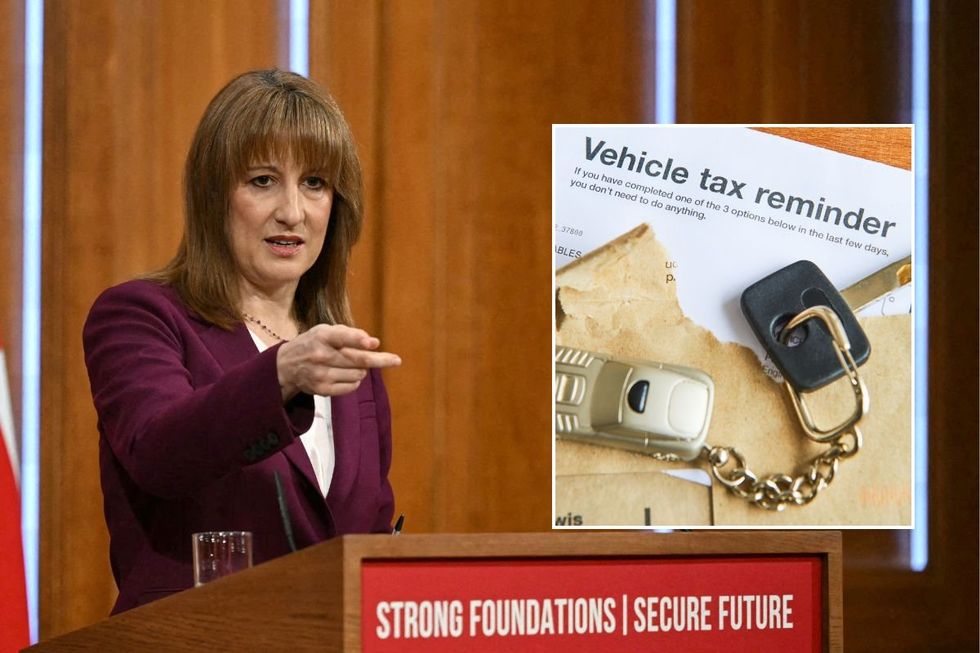
The Chancellor has come under fire over the decision to increase the luxury car tax threshold for EVs only
| REUTERS/GETTYHe reminded ministers that the Conservatives had previously called for the £40,000 threshold to be reviewed, only for the idea to be rejected before resurfacing in the current Bill.
Under the plans, hybrid drivers buying cars priced above £40,000 will continue paying the supplement for five years after first registration, despite producing significantly lower emissions than traditional petrol or diesel vehicles.
The luxury car tax was introduced in 2017 to ensure owners of higher-value cars contributed more than standard road tax rates, but as vehicles become more expensive, an increasing number of drivers have been forced to pay the additional levy.
Treasury Minister Dan Tomlinson defended the Government's approach, insisting the priority must be on fully electric vehicles.
LATEST DEVELOPMENTS
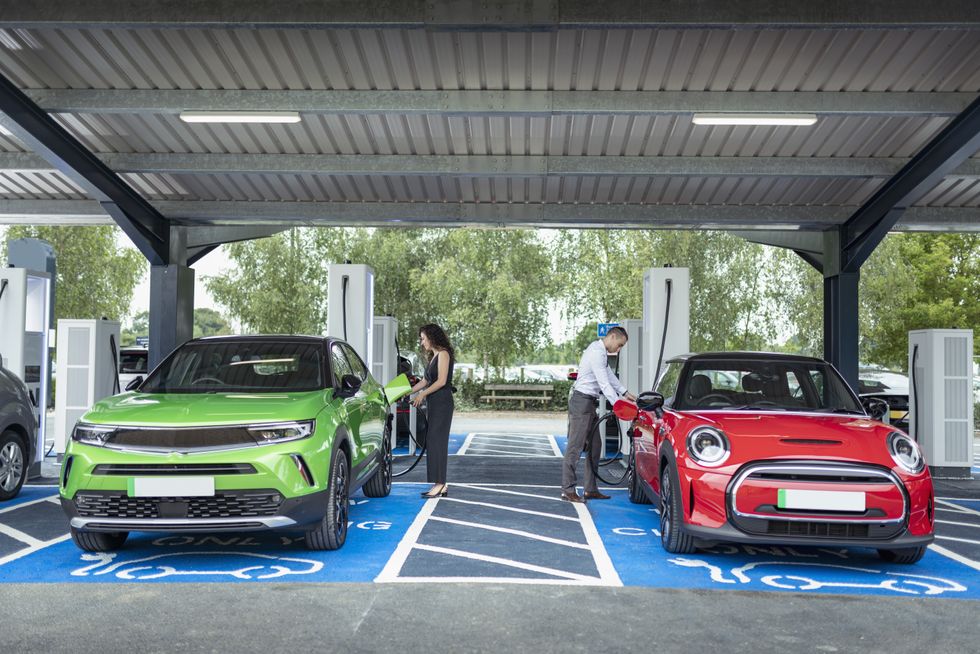
The Government has raised the threshold of the Expensive Car Supplement only for electric cars
| GETTY"Ultimately, to move towards our goal of net zero by 2050, we need to move to a fully clean vehicle fleet over the coming decades, so we want to particularly encourage fully electric vehicles," he said.
Concerns were also raised about the policy's impact on British manufacturers, with Liberal Democrat MP Joshua Reynolds warning that changes could push consumers towards cheaper EVs imported from China.
He told the Committee: "We are concerned about floods of electric vehicles that are coming in from China, undercutting European and British competitors."
Mr Reynolds noted how many Chinese-made electric cars fall below the £50,000 threshold, while several British-built vehicles exceed it, creating what he described as an unintended incentive to buy foreign imports.
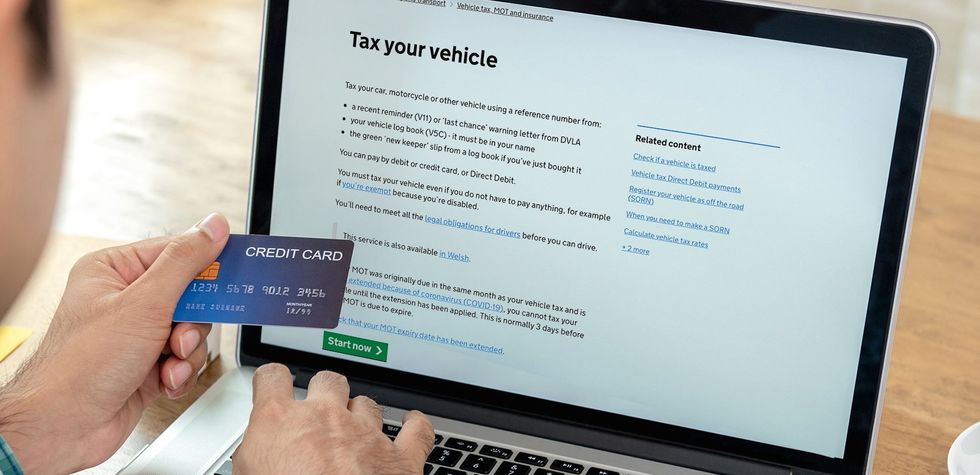
The Government hiked the Expensive Car Supplement rate in line with inflation
| X/DVLAHe said: "Here, we see the Government supporting electric vehicles and increasing the threshold, but not applying the same policy by supporting electric vehicles post 2027 in other clauses of the Bill."
Mr Wild said a £50,000 electric vehicle was "completely out of reach for people in my constituency".
Mr Tomlinson acknowledged that buying a car in the £40,000 to £50,000 range would be "very challenging" for many households.
However, he argued the move would support the wider car market by encouraging wealthier buyers to purchase new electric vehicles, which would later filter down into the second-hand market.