







The BBC is seeking changes to Labour's borrowing rules that would allow its commercial division to take on more debt to invest in new programmes and compete with global media outlets.
Executives at the state-owned broadcaster have asked ministers to lift the current £750million borrowing limit placed on BBC Commercial.
The request comes as the Government reviews the terms of the next royal charter, which sets out the BBC’s purpose, governance and funding structure.
In its response to the consultation, the broadcaster warned its current funding model is becoming increasingly difficult to sustain.
TRENDING
Stories
Videos
Your Say
BBC bosses said they were "willing to consider radical options for future funding" as income growth slows while production costs continue to rise.
The corporation reported total income of £5.9billion last year.
Most of that revenue is generated through the licence fee, which is paid by households across the UK in exchange for access to live television broadcasts and the BBC’s streaming service, BBC iPlayer.
Alongside licence fee income, the broadcaster also operates a large commercial division that produces and sells television programmes around the world.
BBC Commercial reported record revenues of £2.2billion last year.
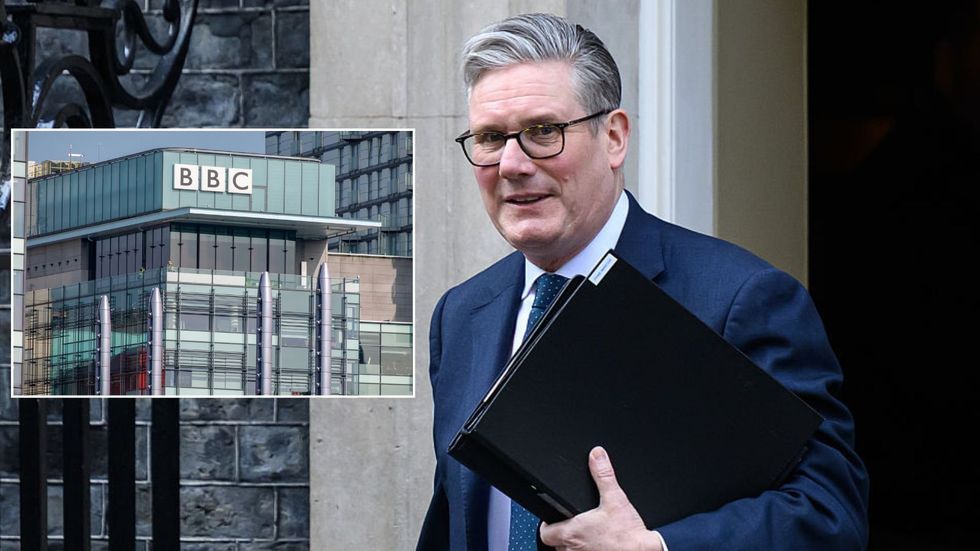
The BBC is callling on the Government to help the broadcaster with funding
|GETTY
The division generated earnings before interest, tax, depreciation and amortisation of £225million.
A significant portion of the BBC’s commercial income comes from producing programmes that are sold to broadcasters and streaming platforms internationally.
BBC Studios is the global distributor of the children’s television series Bluey, which has become one of the most successful animated franchises in recent years.
The show, originally produced in Australia, has grown into a global brand that analysts have estimated could be worth as much as $2billion.
BBC Commercial also owns a number of television production companies through its studios arm.
LATEST DEVELOPMENTS

BBC Studios distributes popular television series Bluey
|GETTY
These include Clerkenwell Films, which produced the series Baby Reindeer, and House Productions, whose work includes films such as Conclave and Bird.
The division also controls the television network UKTV and the international streaming platform BritBox International.
The BBC took full ownership of BritBox International in 2024 after previously operating the service as a joint venture with ITV.
In its consultation submission, the BBC said borrowing restrictions imposed by the Government limit the commercial division’s ability to invest in new businesses and acquire production companies.
The broadcaster said these "Government-imposed restrictions" reduce BBC Commercial’s "ability to invest for future growth."
A two‑year licence fee freeze and below‑inflation rises have left the BBC with a real‑terms funding drop of around 30 per cent since 2010, blowing a £400m‑plus gap in its budget.
The 2025 fee increase to £174.50 adds just £5 a year — nowhere near enough to stabilise the corporation’s finances.
Cost pressures have already triggered hundreds of job cuts, service mergers and reduced commissioning across TV, radio and online.
The corporation is simultaneously fighting a $10billion US lawsuit, adding legal risk and reputational strain at a moment of financial fragility.
With its charter expiring in 2027, the BBC warns it faces a structural funding crisis unless a new model is agreed.
Its mass consultation, targeting up to one million responses, is effectively a public mandate‑gathering exercise as it argues for survival.
Executives have therefore asked ministers to review the current £750million borrowing cap.
The Government previously increased the limit from £350million in 2021.
Under those plans, the borrowing ceiling is scheduled to rise gradually to £750million by 2027.
Financial accounts show that BBC Commercial reported total net debt of £509million last year.
The broadcaster said relaxing or removing the borrowing cap would allow the commercial arm to expand its production capabilities and increase global programme sales.
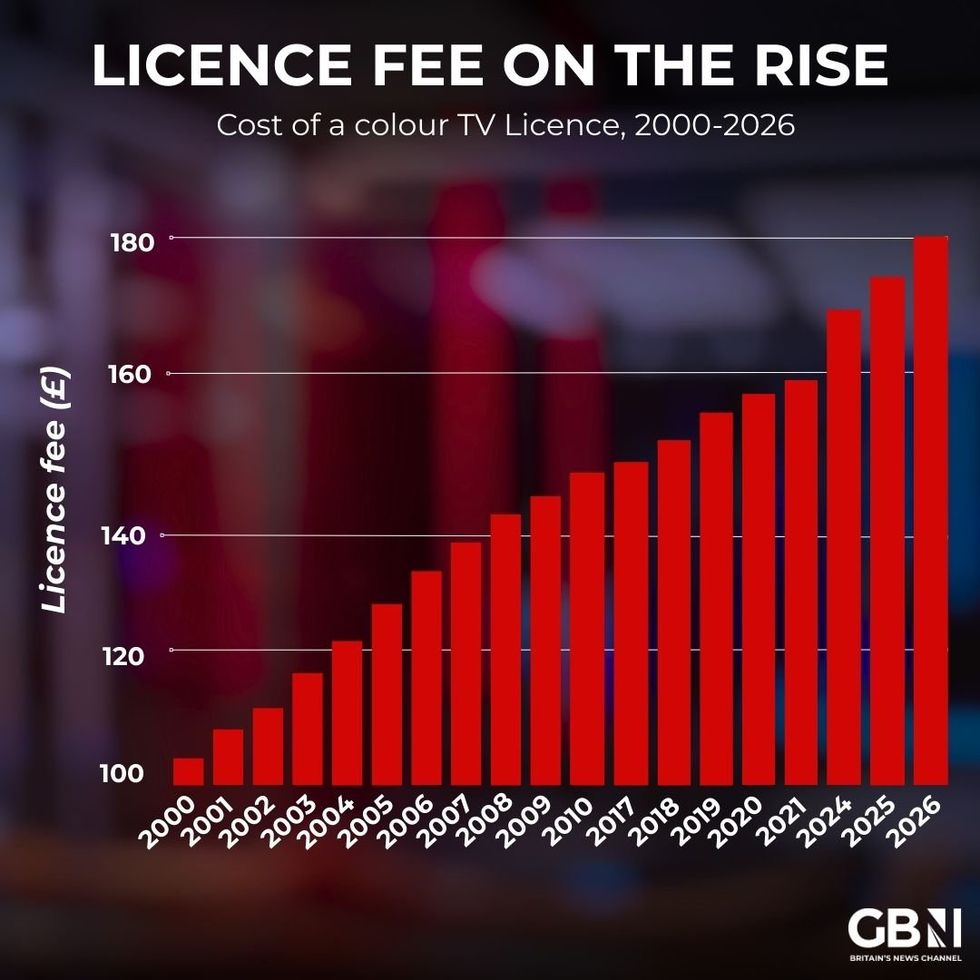 Licence fee on the rise - Cost of a colour TV Licence, 2000-2026 | GB NEWS
The request comes as the BBC considers a range of possible changes to its long-term funding model.
Among the ideas raised in its consultation response is the possibility of extending the licence fee to cover some forms of online streaming that currently fall outside its scope.
This could potentially include watching content on platforms such as Netflix, YouTube or other digital services.
The consultation process is part of the Government’s broader review of the BBC ahead of the next royal charter period.
Ministers are expected to consider the corporation’s proposals alongside submissions from broadcasters, industry groups and members of the public before determining the framework that will govern the BBC in the coming years.
Our Standards: The GB News Editorial Charter
More From GB News