







Britain’s natural gas reserves have fallen to critically low levels, with storage facilities holding just 6,700 GWh — enough to meet just one-and-a-half days of national demand.
Figures from National Gas show a decline from the 9,000 GWh recorded during the same period last year, leaving the UK increasingly exposed as tensions involving Iran continue to disrupt global energy markets.
Despite concerns, National Gas have said these figures fall broadly in line with what would be expected around this time of year.
A similar volume of gas remains stored in liquefied natural gas facilities.
TRENDING
Stories
Videos
Your Say
However, analysts say this offers limited reassurance given the scale of potential supply disruption facing global markets.
European countries maintain significantly larger gas reserves, with many storing several weeks’ worth of supply.
This places them in a stronger position to withstand volatility in global gas markets compared with the UK.
Energy traders have responded to Britain’s tight supply position by charging higher prices for available gas shipments.
The UK is now paying the highest wholesale gas prices in Europe.
Market analysts say this increase has been driven by disruption to shipping routes and supply infrastructure linked to escalating tensions in the Middle East.

Energy insecurity is hitting the UK
|GETTY
The Strait of Hormuz, one of the world’s most important energy transit routes, has effectively been shut down to large volumes of shipping.
Around 20 per cent of global oil and natural gas shipments normally pass through the narrow waterway.
Additional pressure on markets emerged earlier this week when operations at Ras Laffan in Qatar were halted following Iranian bombardment of the site.
The facility is widely considered the largest natural gas production complex in the world.
Iran’s Revolutionary Guards have warned they could target Western vessels attempting to pass through the strait.
LATEST DEVELOPMENTS
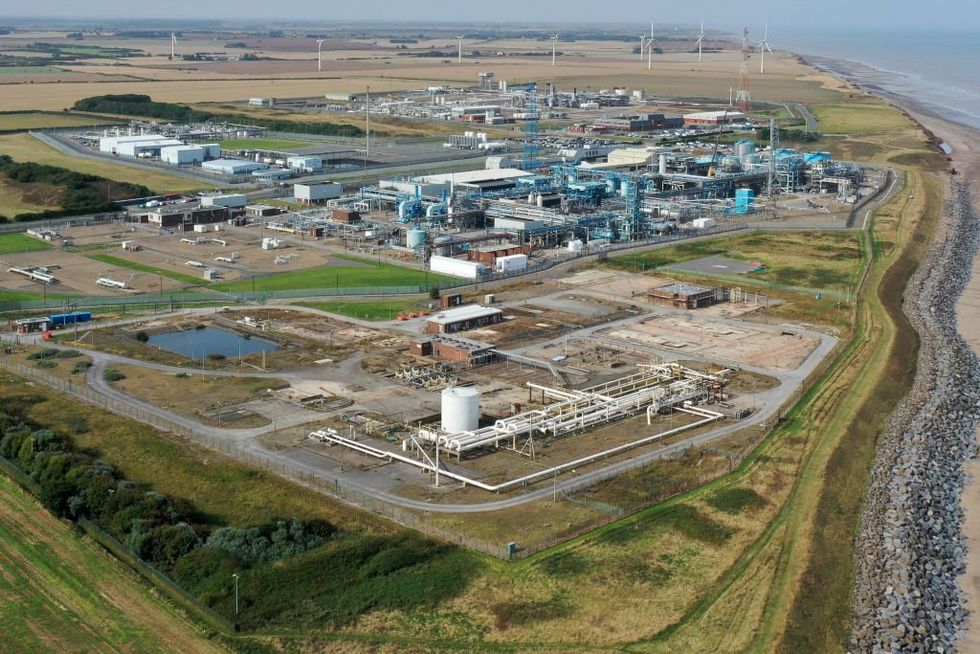
UK gas storage facility in Yorkshire
|GETTY
As a result, hundreds of tankers have gathered at either end of the shipping route rather than attempt the crossing.
Britain’s gas storage capacity has declined significantly in recent years following changes to energy policy and infrastructure investment.
At one time the UK maintained reserves capable of covering around 12 days of national demand.
Energy analysts say the reduction in storage capacity means the country must rely more heavily on imported gas during periods of market disruption.
Natasha Fielding, head of gas pricing at Argus Media, said Britain’s limited reserves had contributed to the rapid rise in prices.
She said: "The price of gas in the UK has increased by more than almost anywhere in Europe."
Ms Fielding added: "The UK gas hub price is now above the Dutch TTF all the way from now until the end of May. Before this week, the UK was priced below the EU."
She said the shift reflects how limited stockpiles leave Britain more vulnerable to sudden price movements in international markets.
Ms Fielding added: "We can't rely on withdrawing more from storage, so we have to get that gas from abroad."
Weather conditions over the coming weeks could play an important role in determining how the situation develops.
Energy traders are closely monitoring temperature forecasts across the UK.
A period of colder weather could force Britain to compete more aggressively with European countries for limited gas supplies.
Professor Mohamed El-Erian, an economist at the University of Pennsylvania, warned the market disruption could have wider economic consequences for households.
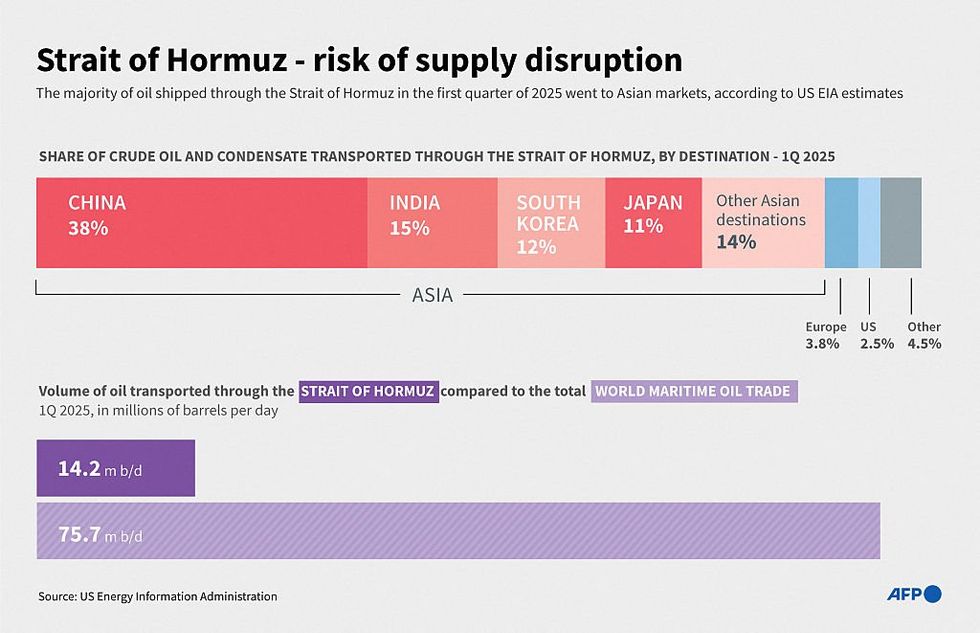 Risk of supply disruption | GETTY
He said: "Once again, we see the UK more vulnerable to external shocks than otherwise that in turn is going to translate into higher mortgage rates. So the average person will get hit from multiple sides, unfortunately."
Professor El-Erian added: "The average person is going to face higher energy prices, but also higher mortgage rates and slowly but surely noticeable increases in a broad range of goods and services because of supply chain disruptions."
Investment bank Goldman Sachs has also warned oil prices could rise further if tensions continue to escalate.
Analysts at the bank have suggested crude oil could surpass $100 per barrel next week if no diplomatic resolution emerges.
They added the current reduction in Middle Eastern energy output is estimated to be 17 times larger than the peak disruption recorded after Russia’s invasion of Ukraine in 2022.
A National Gas spokesperson, said:
“Britain’s gas storage levels are broadly in line with what we would expect at this point in the year and are comparable to this time last year.
"It’s important to remember that storage makes up only a small part of Britain’s diverse gas supply mix.
"The majority of our gas comes from the UK Continental Shelf and Norway, complemented by LNG, interconnectors with continental Europe, and storage.
“Great Britain benefits from a wide range of supply sources that the market draws on every day.
"Together, these provide the flexibility needed to balance supply and demand reliably throughout the year.”
A Department for Energy and Net Zero spokesman said: "It is categorically untrue that the UK only has access to 2 days of gas supply.
"We have a diverse energy mix and are confident in our security of supply.
“Gas will continue to play a key role in our diverse and resilient energy system as we transition to more secure, clean homegrown energy.
“We are working with industry to ensure the gas system is fit for the future, including maintaining security of supply in the rarest scenarios.”
Our Standards: The GB News Editorial Charter
More From GB News