




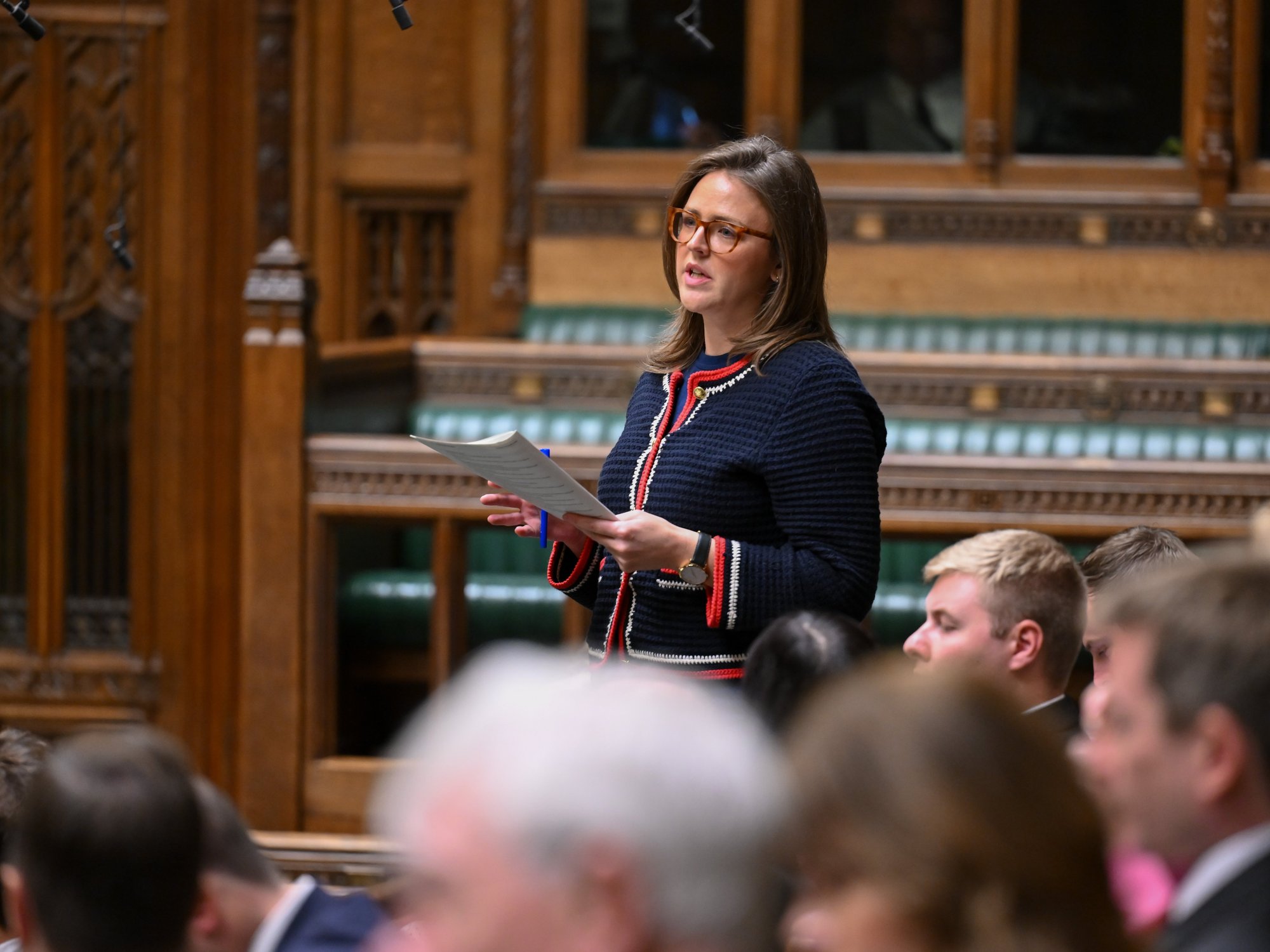





Mortgage holders are being warned to brace for a fresh wave of rising costs.
Interest rates could climb sharply over the next year, putting further pressure on household finances.
Borrowers could face up to six consecutive interest rate increases, potentially pushing borrowing costs to 5.25 per cent by early 2027, according to a warning from the Bank of England.
The central bank said this scenario could unfold if high oil prices, driven by the ongoing Iran conflict, continue to push up inflation.
If crude oil reaches $130 per barrel, policymakers indicated they may need to respond with aggressive rate rises.
The warning comes as Brent crude hit $126 earlier today before easing slightly.
The financial strain on households could be severe, with monthly mortgage payments expected to climb by an average of £80 according to the Bank's projections.
Joblessness may surge beyond two million people, reaching 5.7 per cent of the workforce under the most pessimistic outlook.
Living standards are already deteriorating, with real household incomes dropping by 0.5 per cent during the current quarter as prices outpace earnings.
The Bank anticipates that cost of living increases will hit consumers faster than wage growth can compensate.
Economic expansion would slow to just 0.8 per cent, though the central bank stopped short of forecasting an outright recession.
The Monetary Policy Committee opted to maintain the base rate at 3.75 per cent following today's meeting, with members voting 8-1 in favour of holding steady.
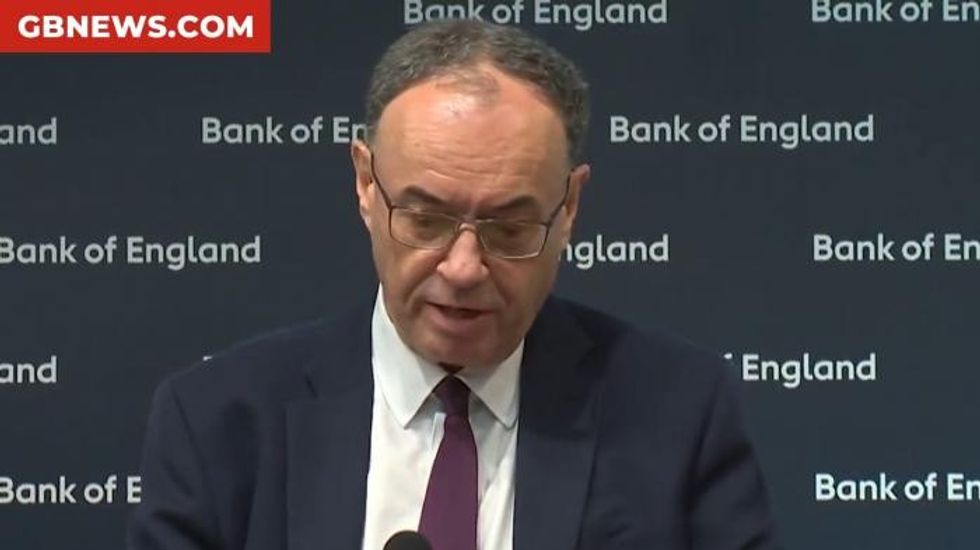
The Monetary Policy Committee opted to maintain the base rate at 3.75 per cent following today's meeting
| Bank of EnglandChief economist Huw Pill was the sole dissenter, backing an immediate rise to 4 per cent.
Even rate-setters typically inclined towards cuts signalled they would support increases should Middle East tensions worsen, with some indicating the Bank may need to act "forcefully if necessary".
The central bank made clear that rate rises this year now appear almost inevitable, marking the first increases since 2023.
Under the adverse scenario, six hikes would take borrowing costs to 5.25 per cent by early 2027.
 Households coming off longer-term fixed arrangements had borne the brunt of elevated mortgage expenses | GETTY
Inflation currently stands at 3.3 per cent, already pushed higher by rising petrol costs linked to the conflict.
The Bank's modelling suggests this could climb dramatically to 6.2 per cent by early 2027 if the adverse scenario unfolds.
A further jump in prices is anticipated when the energy price cap rises in July.
The central bank acknowledged that pushing rates to 5.25 per cent "would raise the risk of a recession", though it is not currently predicting two consecutive quarters of economic contraction.

Fears persist that the Middle East conflict will continue disrupting energy supplies from the region, keeping crude prices elevated
| GETTYFears persist that the Middle East conflict will continue disrupting energy supplies from the region, keeping crude prices elevated.
Bank of England governor Andrew Bailey stated: "The war in the Middle East is causing inflation to rise again this year. We've held Bank rate unchanged at 3.75 per cent. We think this is a reasonable place given the situation of the economy and the unpredictability of events in the Middle East."
He pledged to monitor developments closely and ensure inflation returns to the 2 per cent target once the initial energy price shock passes.
Ed Monk, pensions and investment specialist at Fidelity International, warned today's decision "may be the calm before the storm", cautioning that multiple rate increases "would place a hard brake on an economy that is forecast to grow only slightly this year".